
Common Pipeline Construction Challenges and How Engineers Solve Them
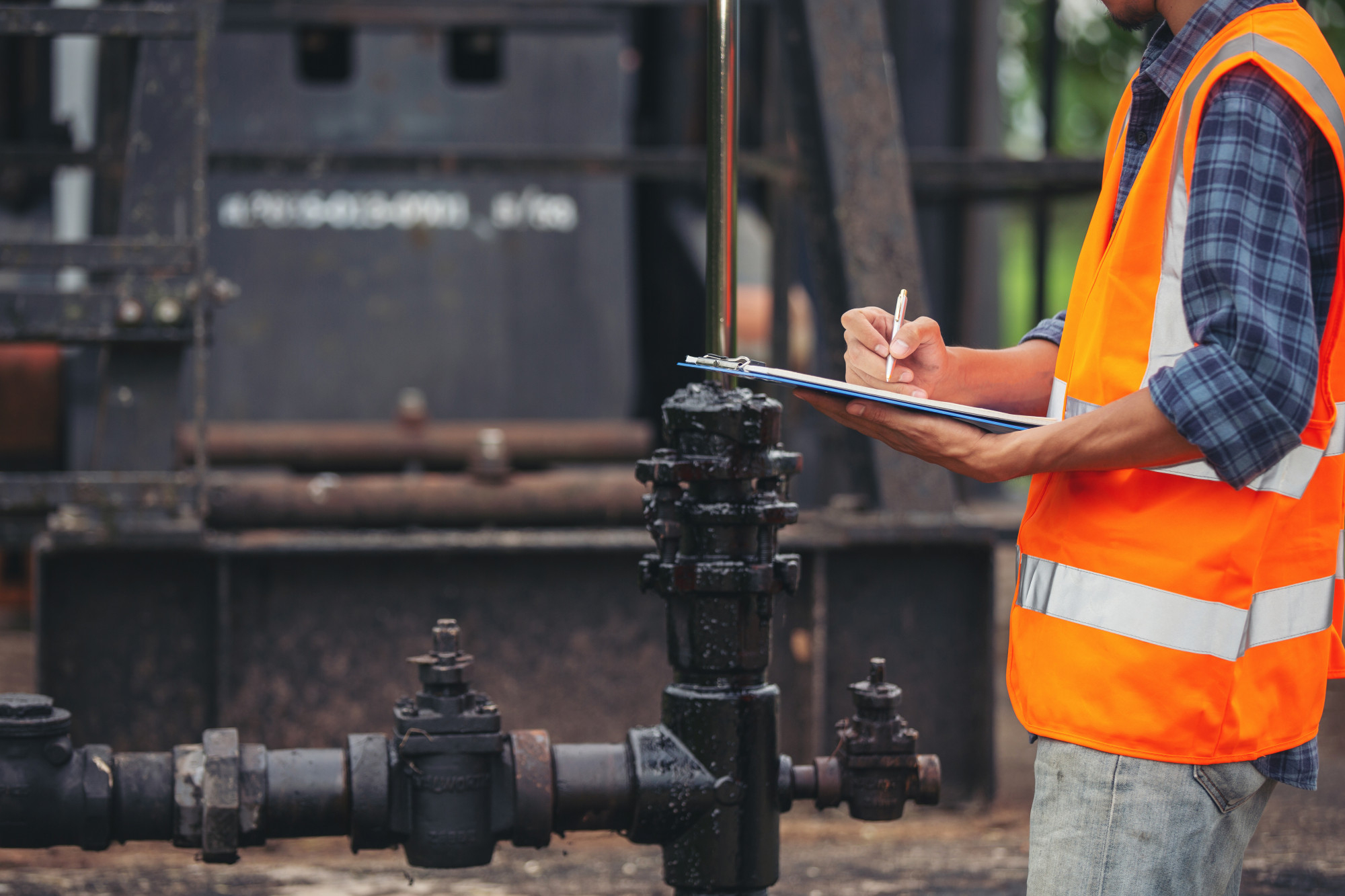
Pipeline infrastructure forms the backbone of water transmission, irrigation systems, industrial utilities, and energy networks. However, constructing long-distance pipelines involves numerous engineering, environmental, and logistical challenges that require specialized expertise and meticulous planning.
Through its comprehensive water infrastructure and EPC solutions, OmYash Projects delivers reliable pipeline systems designed for long-term operational performance and sustainability.
Why Pipeline Construction Is Challenging
Pipeline projects often extend across varying terrains and require coordination between engineering, procurement, construction, testing, and commissioning teams. Every stage of execution presents unique challenges that must be addressed to ensure safety, efficiency, and reliability.
Several major infrastructure projects executed by OmYash Projects demonstrate how effective engineering practices and project management help overcome these complexities.
1. Difficult Terrain and Route Alignment
Cross-country pipelines frequently pass through:
- Rocky regions
- Rivers and streams
- Agricultural land
- Highways and roads
- Hilly terrain
Improper route selection can increase construction costs and create operational challenges.
How Engineers Solve It
Engineers conduct:
- Topographical surveys
- Geotechnical investigations
- Hydraulic studies
- Environmental assessments
Proper route planning minimizes risks and improves construction efficiency.
2. Corrosion and Material Degradation
Corrosion remains one of the most common causes of pipeline failure.
Factors influencing corrosion include:
- Soil characteristics
- Moisture content
- Groundwater conditions
- Chemical exposure
Without adequate protection, corrosion can significantly reduce pipeline lifespan.
How Engineers Solve It
Engineers implement:
- Protective coatings
- Cathodic protection systems
- Corrosion-resistant materials
- Periodic inspections
These methods improve durability and reduce maintenance requirements.
3. Welding Defects
Poor weld quality can result in:
- Leakage
- Cracks
- Structural failures
- Reduced service life
Welding quality is particularly important in large-diameter transmission pipelines.
How Engineers Solve It
Quality assurance procedures include:
- Visual inspections
- Ultrasonic testing
- Radiographic testing
- Hydrostatic pressure testing
As an experienced EPC infrastructure company, OmYash Projects emphasizes stringent quality control practices throughout project execution.
4. Pressure Management
Long-distance pipelines operate under varying pressure conditions. Improper pressure management can lead to:
- Pipe damage
- Water hammer effects
- Leakage
- Reduced operational efficiency
How Engineers Solve It
Engineers optimize:
- Pipe diameter
- Pumping station design
- Surge protection systems
- Flow control mechanisms
This helps ensure safe and reliable operation.
5. Environmental and Regulatory Compliance
Infrastructure projects must comply with environmental standards and statutory regulations.
Challenges include:
- Land acquisition
- Environmental clearances
- Sustainability requirements
- Safety standards
How Engineers Solve It
Project teams perform:
- Environmental impact assessments
- Risk evaluations
- Regulatory approvals
- Sustainable engineering practices
This approach supports responsible infrastructure development.
6. Construction Delays
Pipeline projects may face delays due to:
- Adverse weather conditions
- Material shortages
- Labor constraints
- Logistics challenges
Such delays can increase costs and affect project schedules.
How Engineers Solve It
Experienced EPC teams implement:
- Detailed planning
- Procurement management
- Resource optimization
- Risk mitigation strategies
Integrated execution ensures timely project completion.
Why EPC Expertise Matters
Pipeline construction requires seamless coordination between design, procurement, execution, testing, and commissioning teams.
Companies with strong EPC capabilities provide:
- Better project management
- Improved quality assurance
- Reduced risks
- Efficient execution
Learn more about OmYash Projects and its expertise in delivering sustainable infrastructure solutions. You can also explore the complete range of services offered by OmYash Projects and review some of the company's completed infrastructure projects.
Conclusion
Pipeline construction projects involve numerous technical and operational challenges. From route alignment and corrosion control to welding quality and pressure management, every aspect requires careful engineering and execution.
By implementing advanced construction practices and quality assurance procedures, infrastructure companies can ensure long-term reliability and operational efficiency.
For expert guidance on water transmission systems, lift irrigation networks, and infrastructure development, contact OmYash Projects to discuss your project requirements.
FAQs
What are the major challenges in pipeline construction?
Major challenges include difficult terrain, corrosion, welding defects, pressure management, environmental regulations, and construction delays.
Why is corrosion control important in pipelines?
Corrosion control helps prevent failures, reduce maintenance costs, and increase the lifespan of pipeline systems.
How do engineers ensure pipeline quality?
Engineers use inspections, non-destructive testing, hydrostatic testing, and quality control procedures throughout construction.
Why are EPC contractors important for pipeline projects?
EPC contractors provide integrated engineering, procurement, construction, testing, and commissioning services, ensuring efficient project execution and long-term reliability.