How SCADA and IoT Are Modernising Irrigation in India

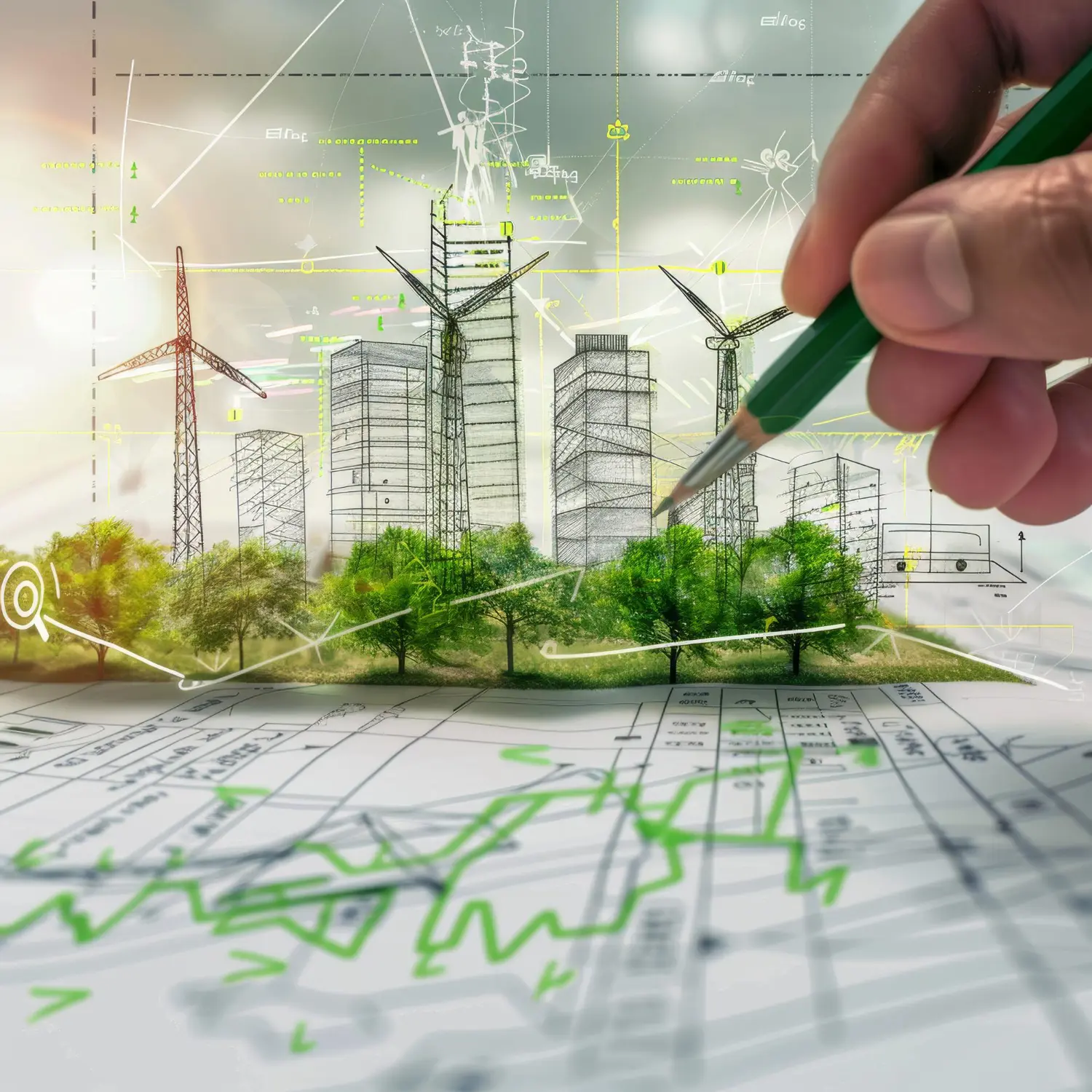
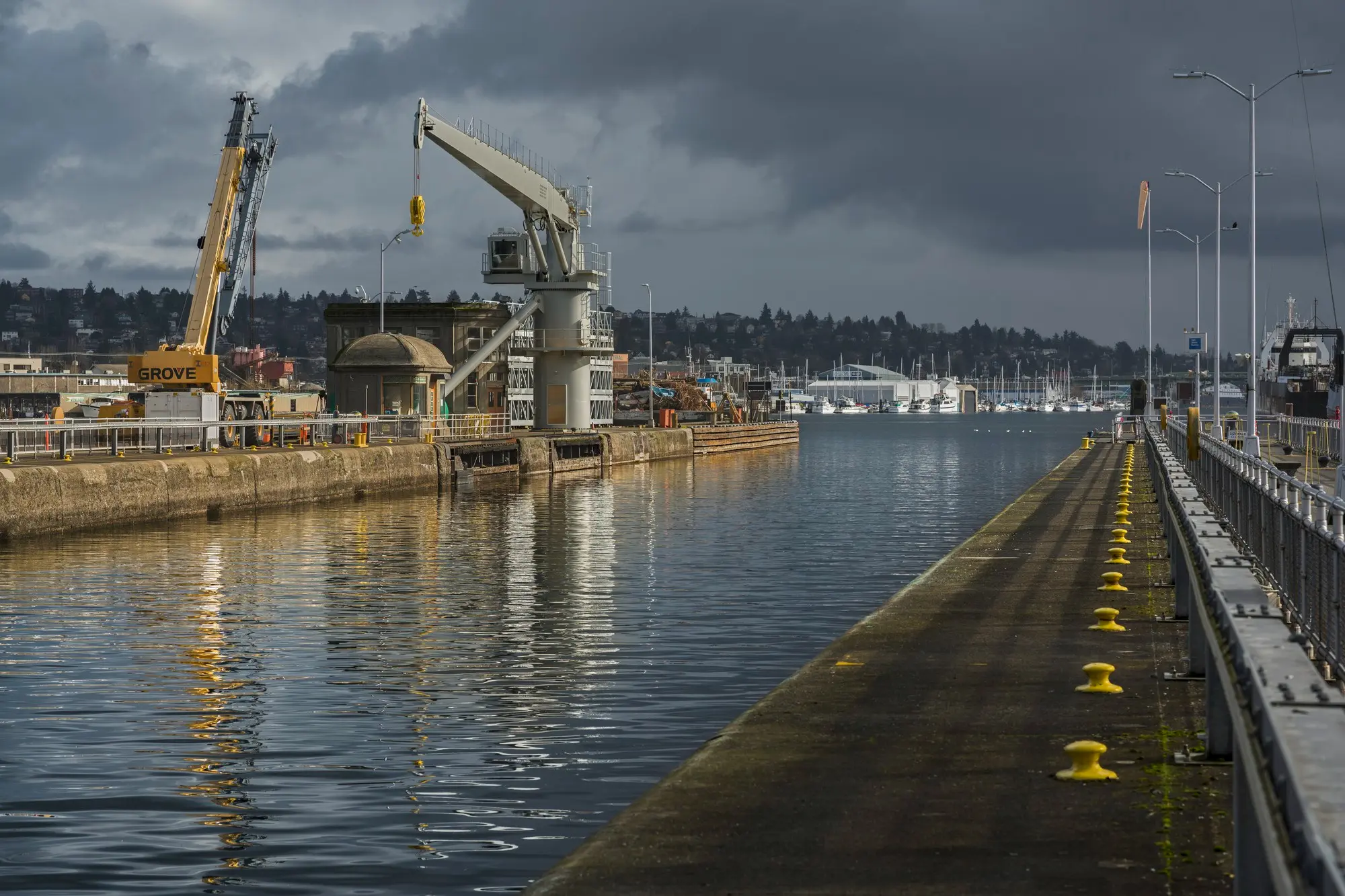
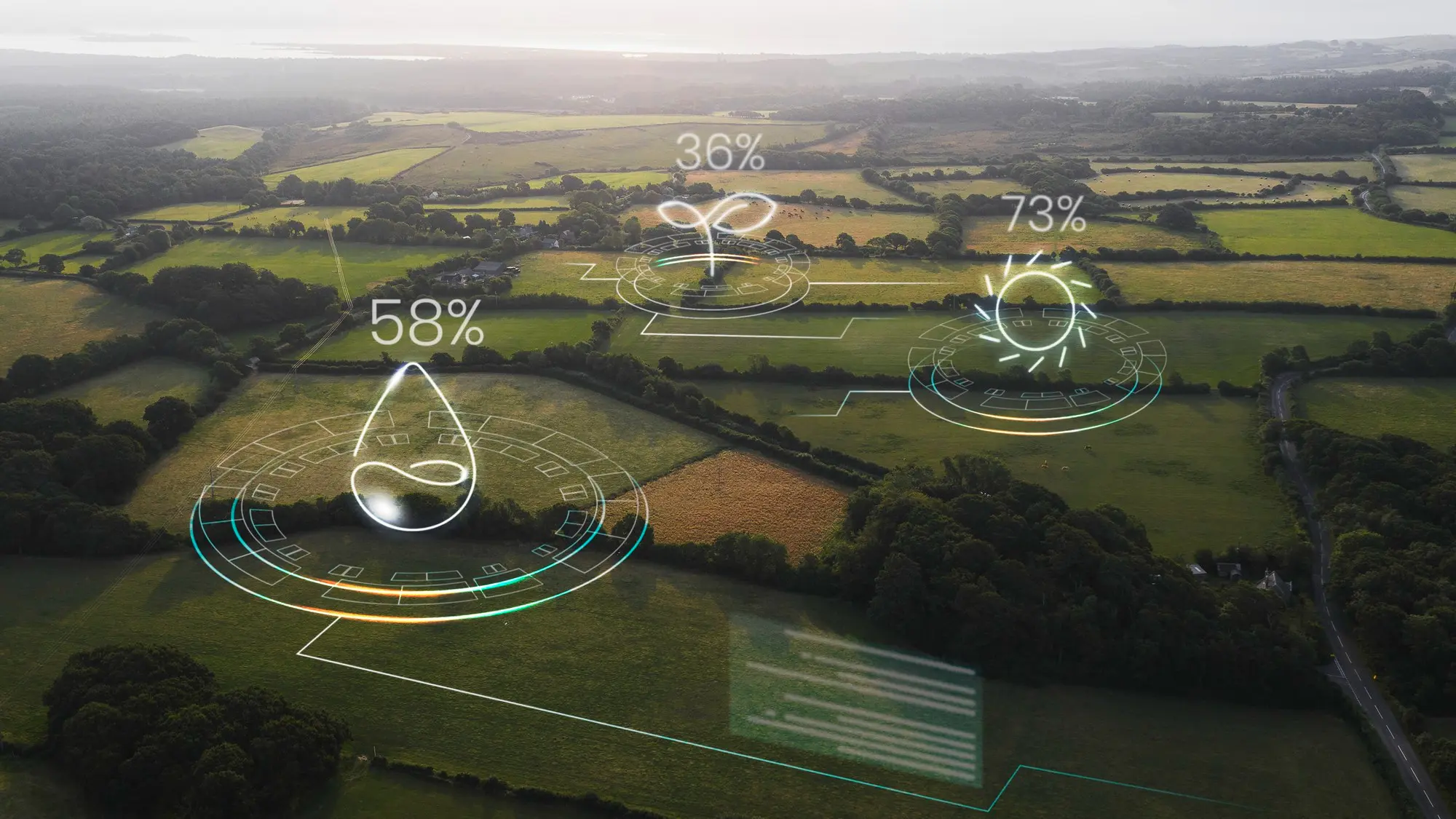
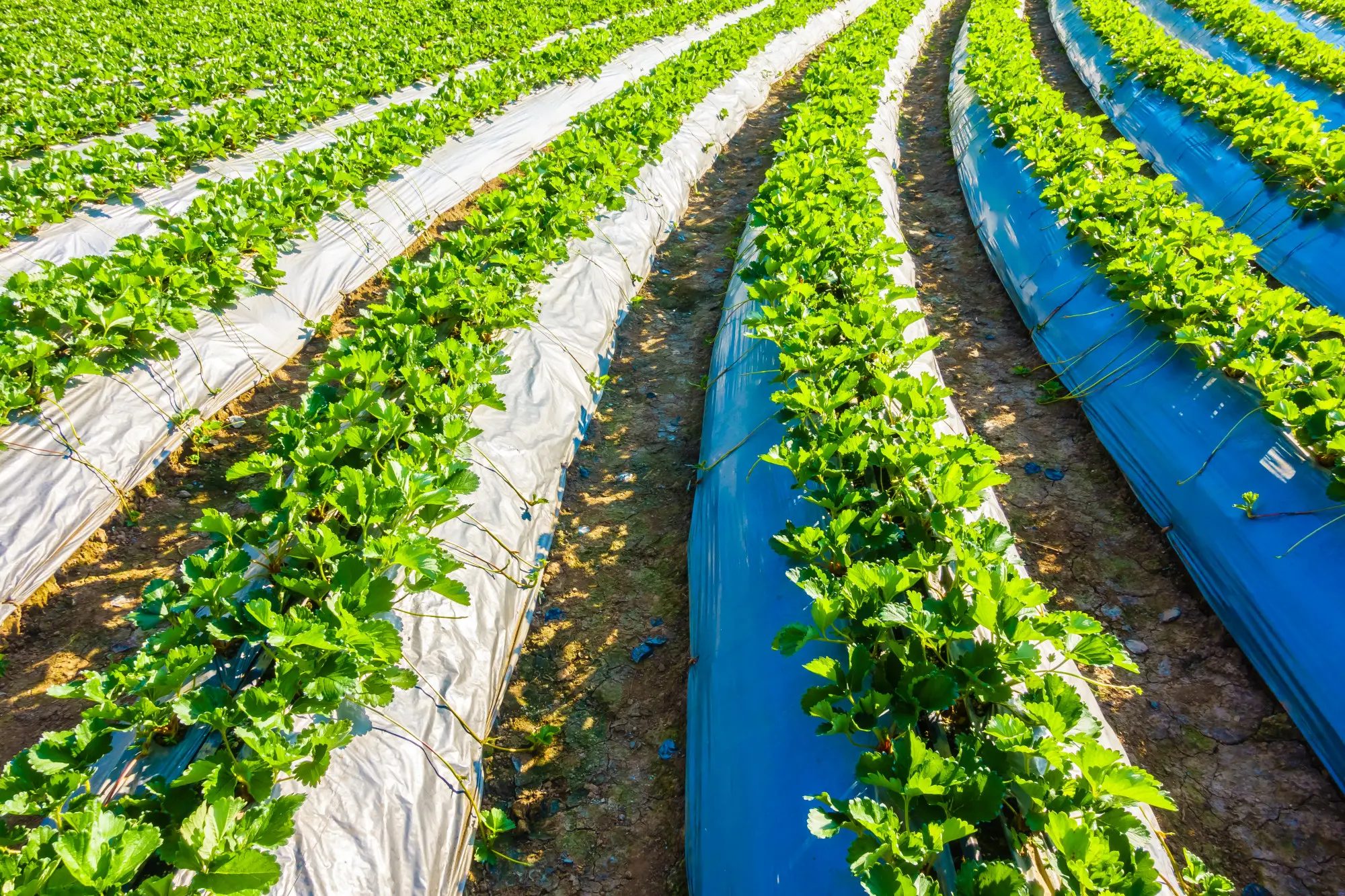
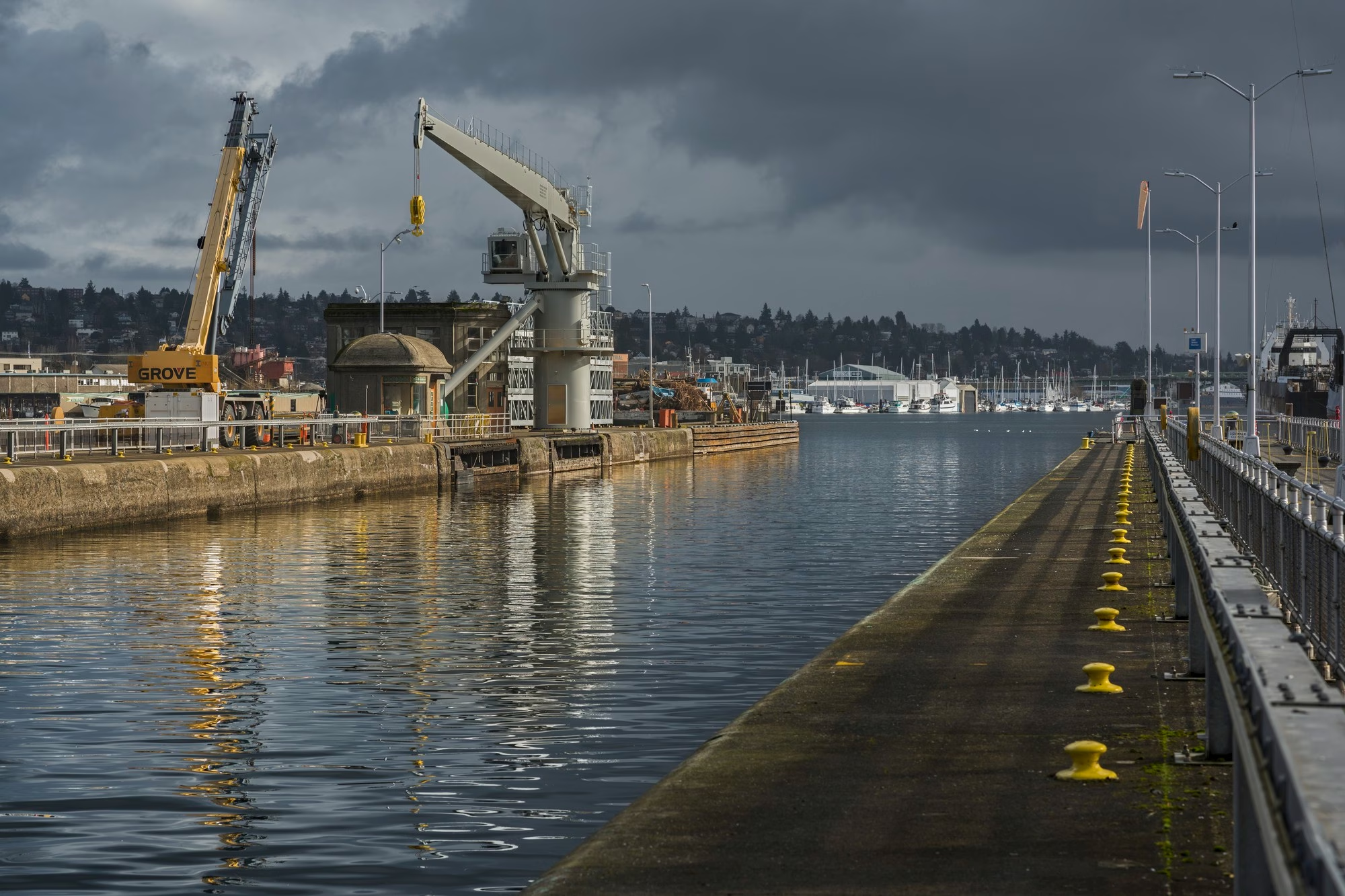
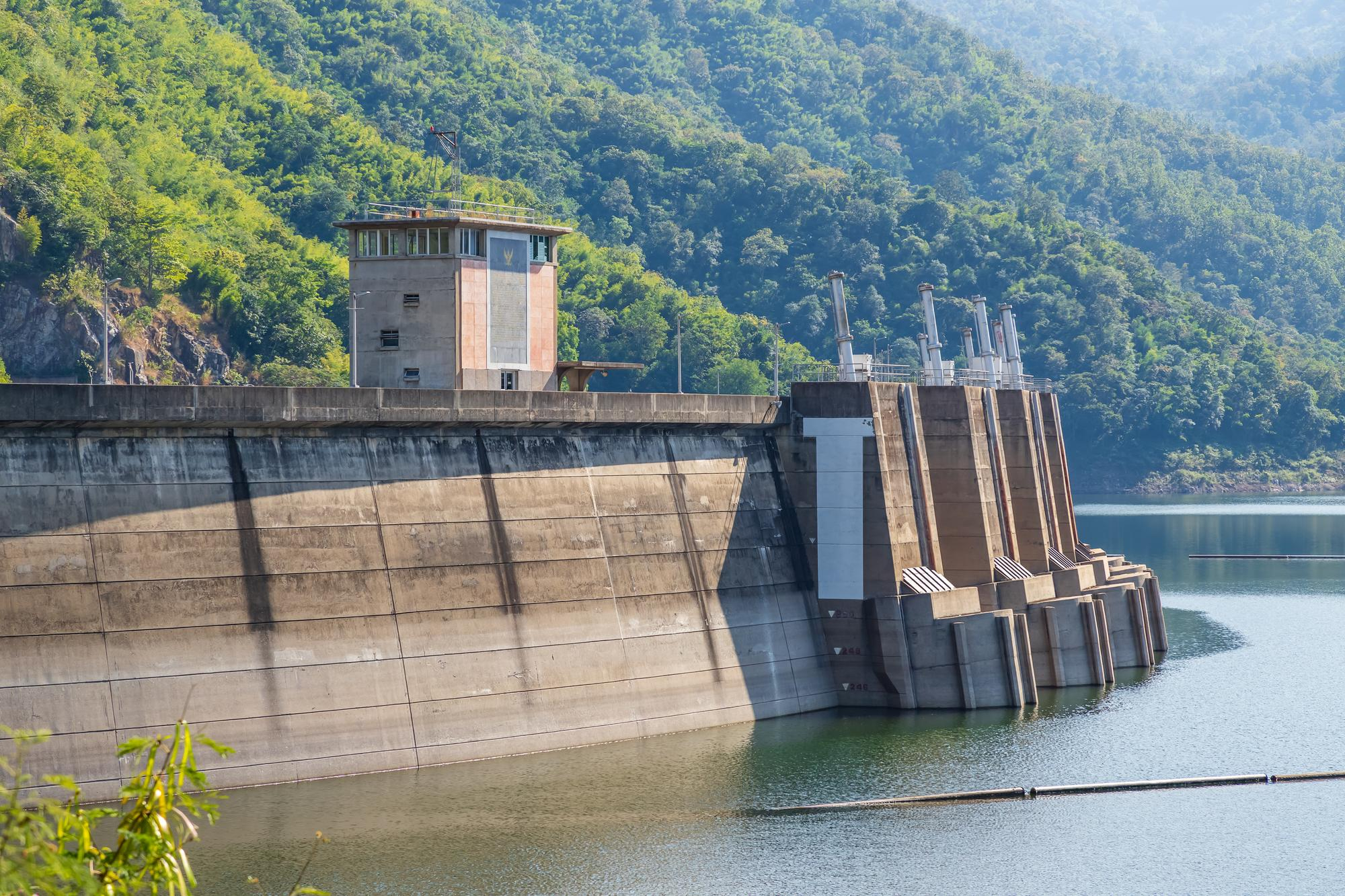
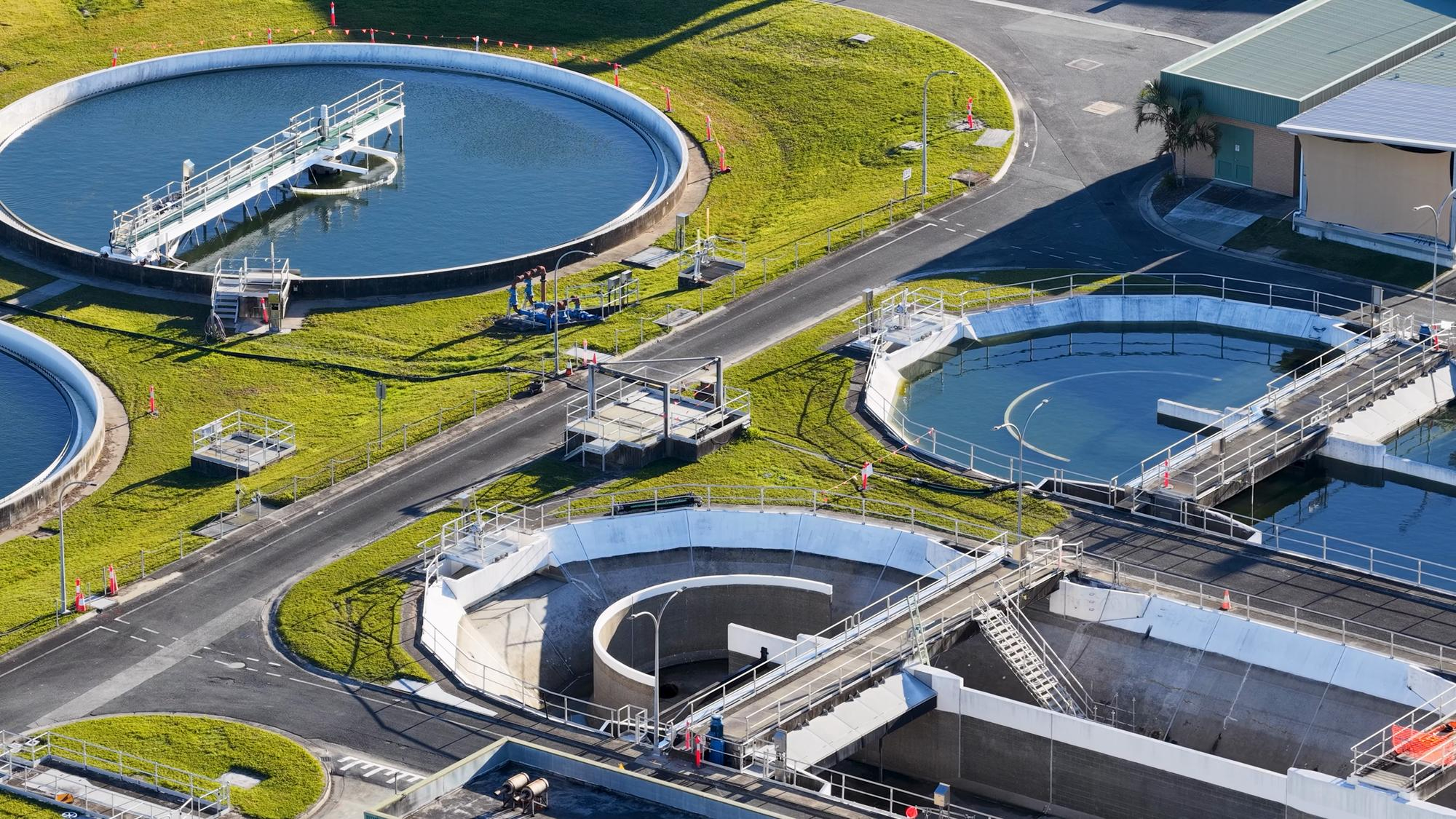
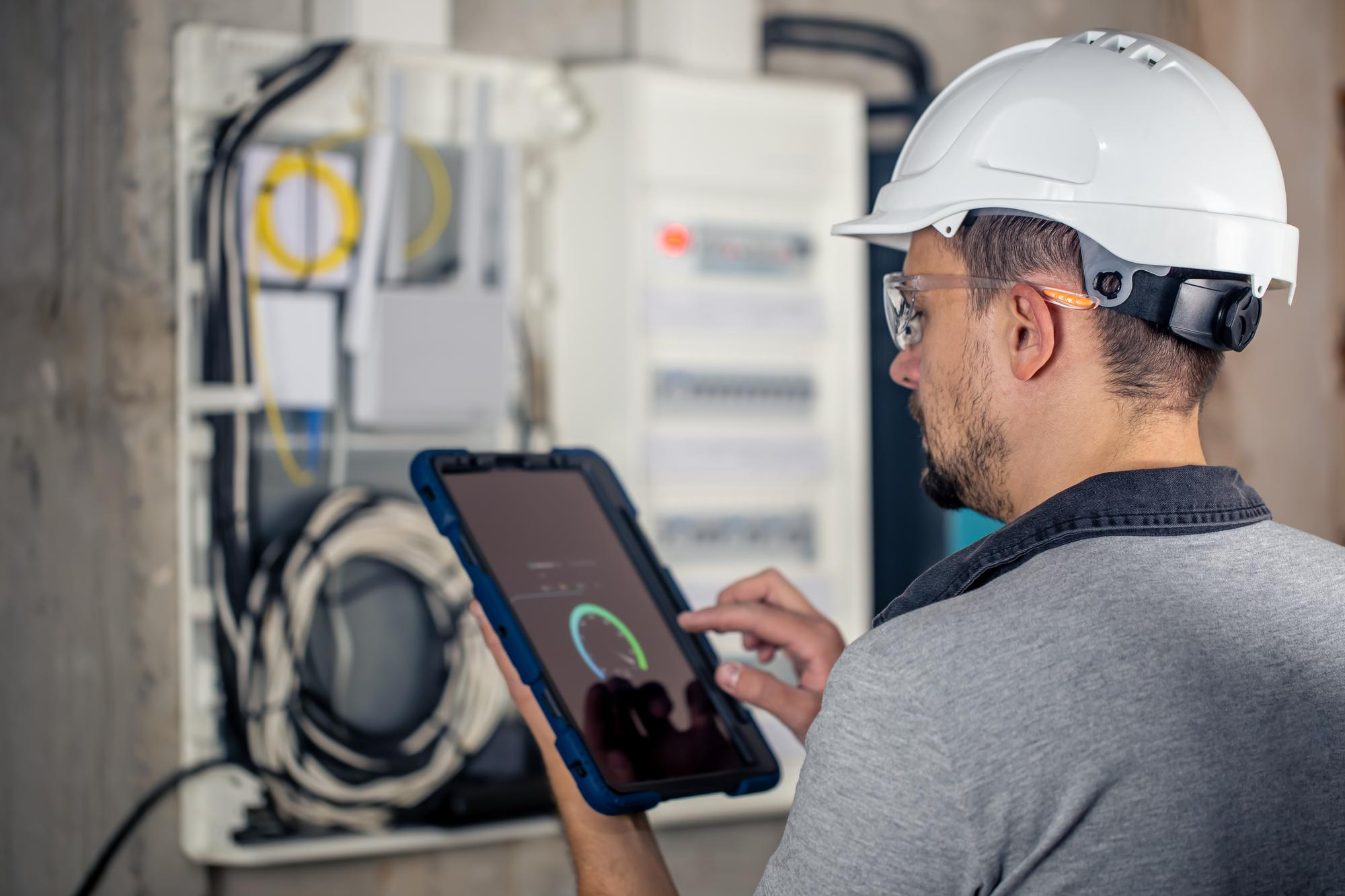
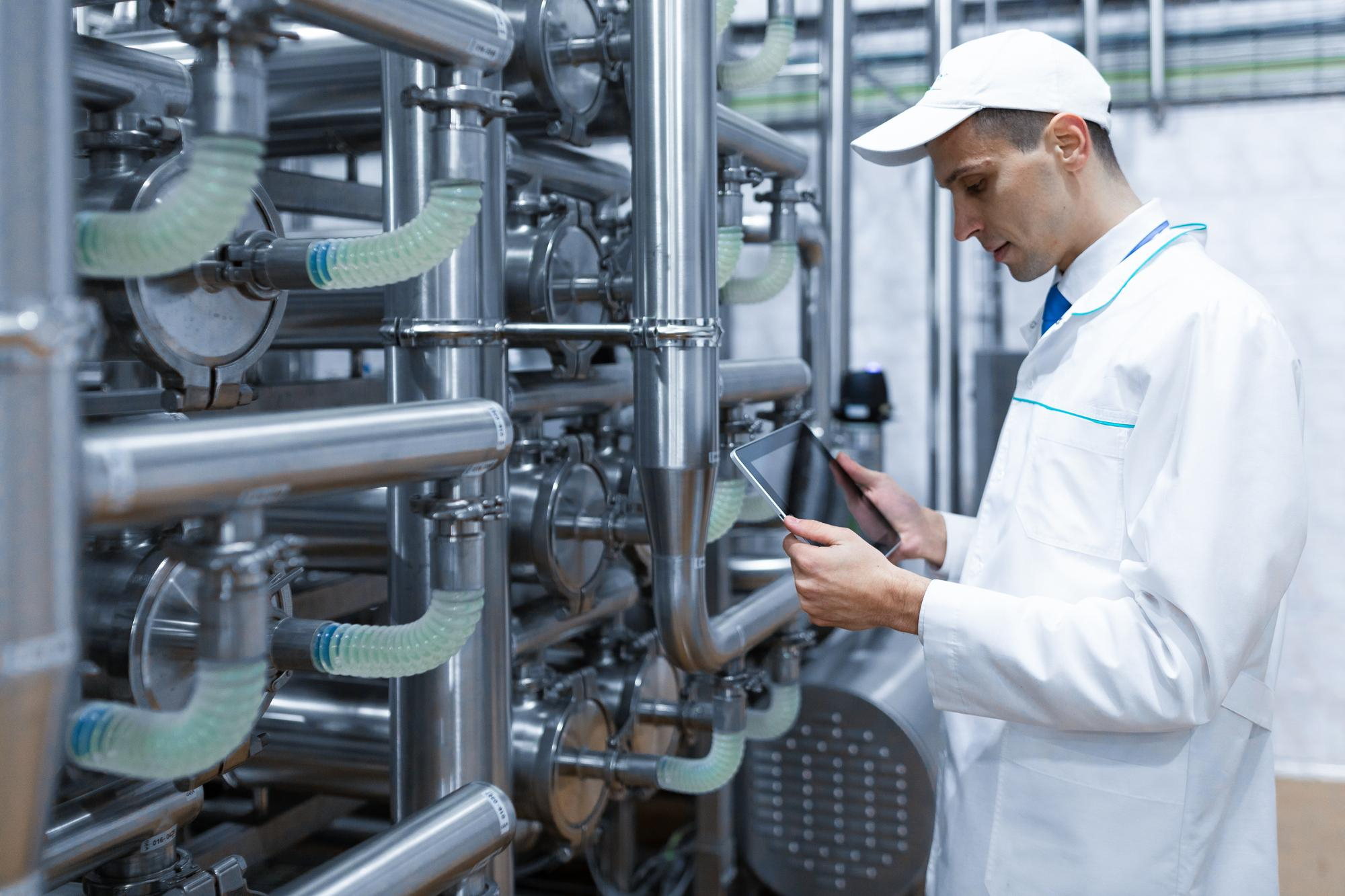
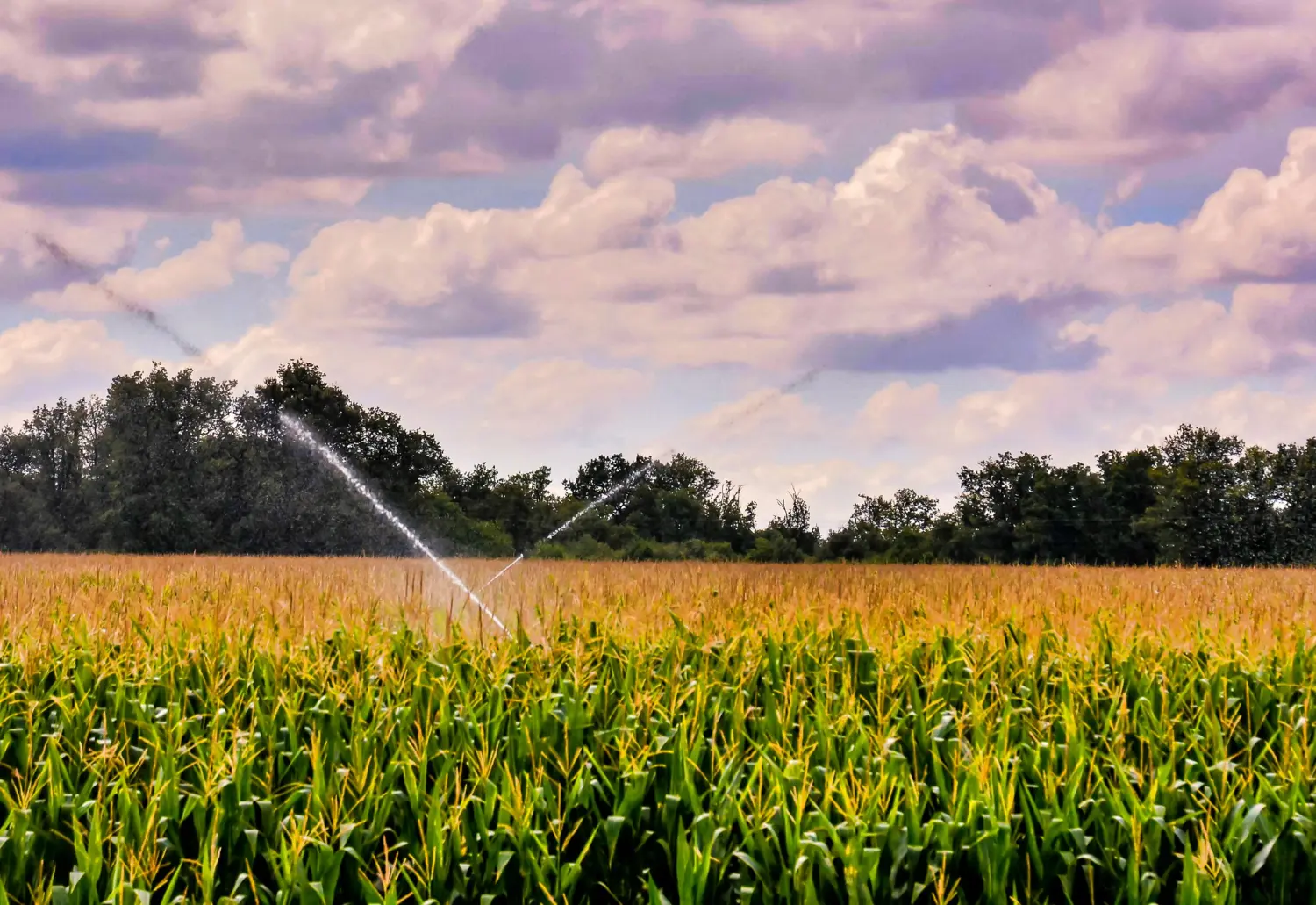
For decades, the expansion of irrigation infrastructure in India was largely measured by physical assets.Dams were constructed.Canals were developed.Reservoirs stored water.Pipelines transported it.Pumping stations moved it across elevations.Today, another layer is becoming increasingly important: intelligence.India is beginning to modernise irrigation infrastructure using technologies such as Supervisory Control and Data Acquisition (SCADA) systems, Internet of Things (IoT) devices, automated controls, and pressurised water distribution networks.In March 2026, the Government of India highlighted the role of SCADA and IoT-based irrigation modernisation under the Pradhan Mantri Krishi Sinchayee Yojana.According to the Press Information Bureau’s official update on SCADA and IoT-based irrigation modernisation, the government has approved pilot projects under the Modernization of Command Area Development and Water Management initiative.The development represents an important shift.India is no longer looking only at creating additional irrigation infrastructure.The focus is increasingly moving towards improving how existing and future water systems are monitored, controlled, and operated.For companies involved in water infrastructure and EPC solutions, this transition could significantly influence the planning and execution of future irrigation and hydraulic infrastructure projects.

read blog

India’s Small Hydro Power Scheme: What It Means for EPC

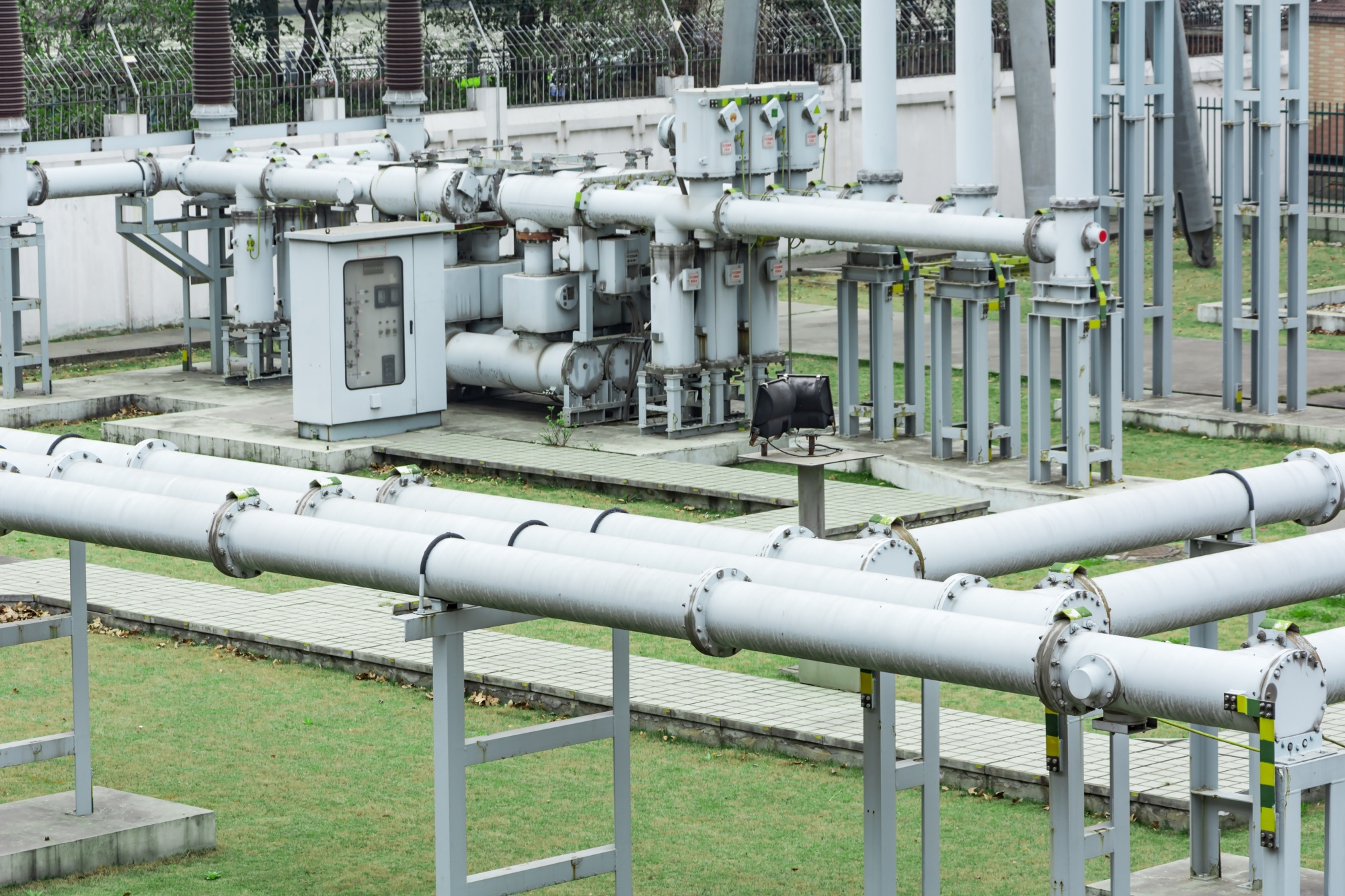
India’s renewable energy transition is entering a phase where solar and wind are no longer the only technologies receiving significant policy attention.Small hydropower is returning to the infrastructure conversation.In March 2026, the Union Cabinet approved the Small Hydro Power Development Scheme for implementation from FY 2026–27 to FY 2030–31. The Ministry of New and Renewable Energy subsequently outlined the scale of the opportunity in April 2026.India currently has around 5,171 MW of installed small hydropower capacity against an estimated potential of 21,133.61 MW.That gap is significant.It suggests that a large share of India’s small hydropower potential remains undeveloped, creating opportunities not only for renewable energy generation but also for engineering, hydraulic infrastructure, dam-based projects, canal systems, water resource management, and EPC execution.For companies involved in water infrastructure and EPC solutions, the renewed policy focus on small hydropower represents an important development in India’s evolving infrastructure landscape.

read blog

River Basin Management Scheme: What India's New Water Planning Approach Means for Infrastructure

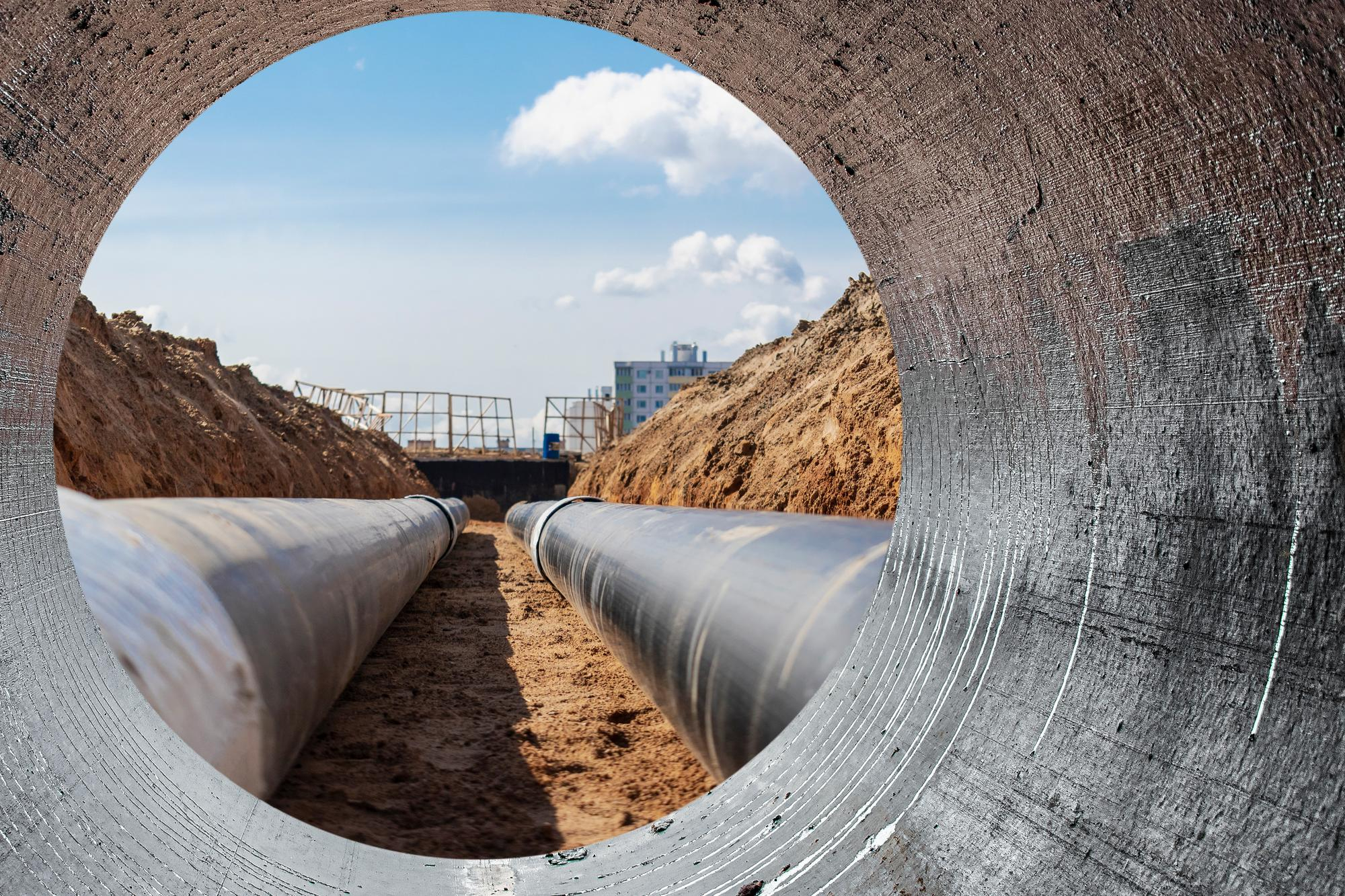
India's approach to water infrastructure is gradually moving beyond individual dams, pipelines, canals, and irrigation projects towards something much larger: planning water resources at the river basin level.In July 2026, the Government of India highlighted the River Basin Management Scheme, an initiative designed to promote basin-level planning for the sustainable use, protection, and development of surface and groundwater resources.The development is significant for India's infrastructure sector.For decades, water infrastructure development has often focused on solving specific challenges: constructing a dam, expanding an irrigation network, building a water transmission pipeline, developing a reservoir, or supplying water to an urban or industrial region.River basin management takes a broader view.Instead of looking at each infrastructure asset independently, it considers the entire river basin as an interconnected water system.For companies involved in water infrastructure and EPC solutions, this shift towards integrated water resource planning could influence how future dams, reservoirs, irrigation systems, pipelines, and water management projects are planned and executed.

read blog

Industrial Water Treatment Plant Manufacturer in Ahmedabad: How to Choose the Right Solution for Your Industry

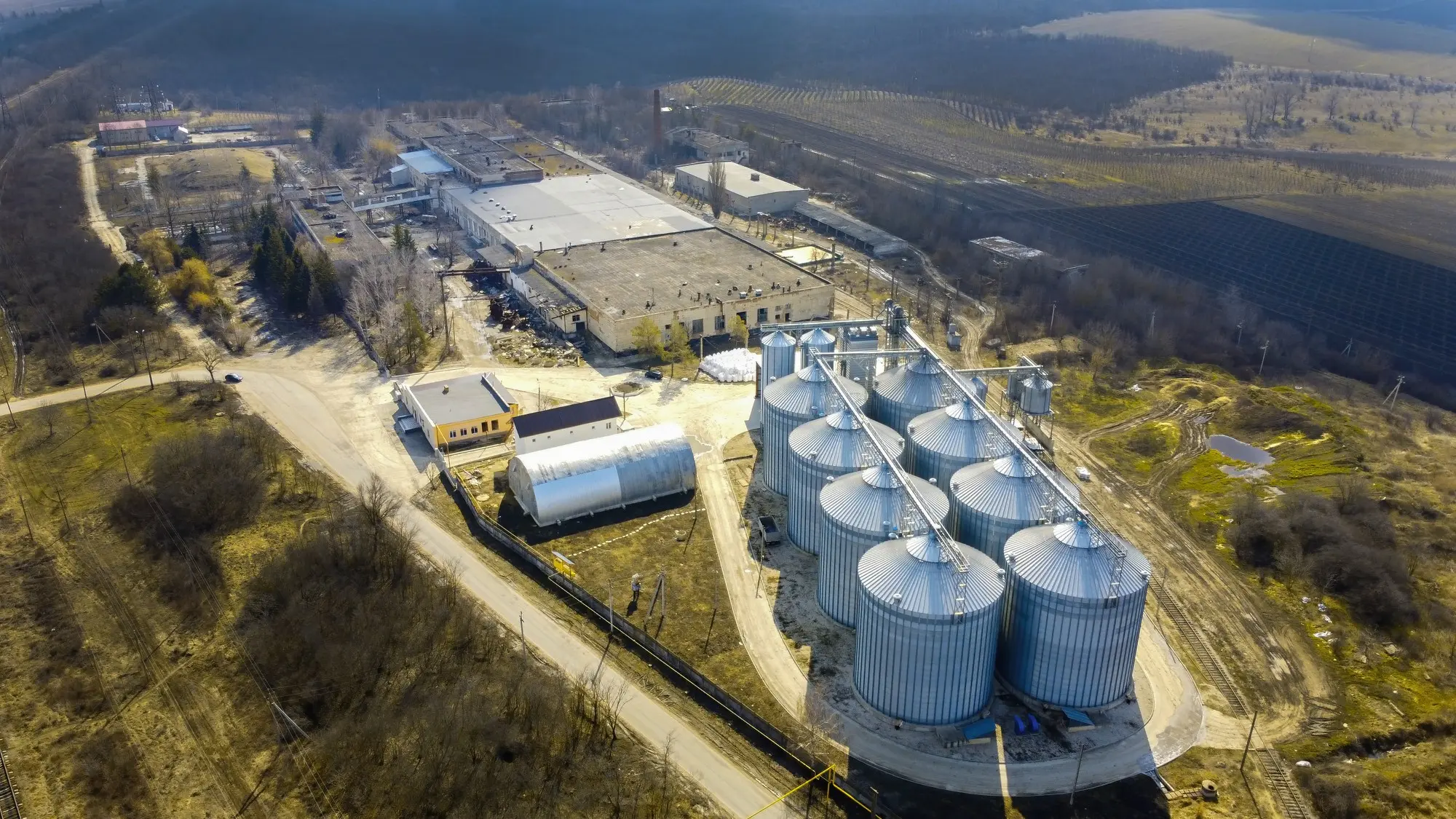
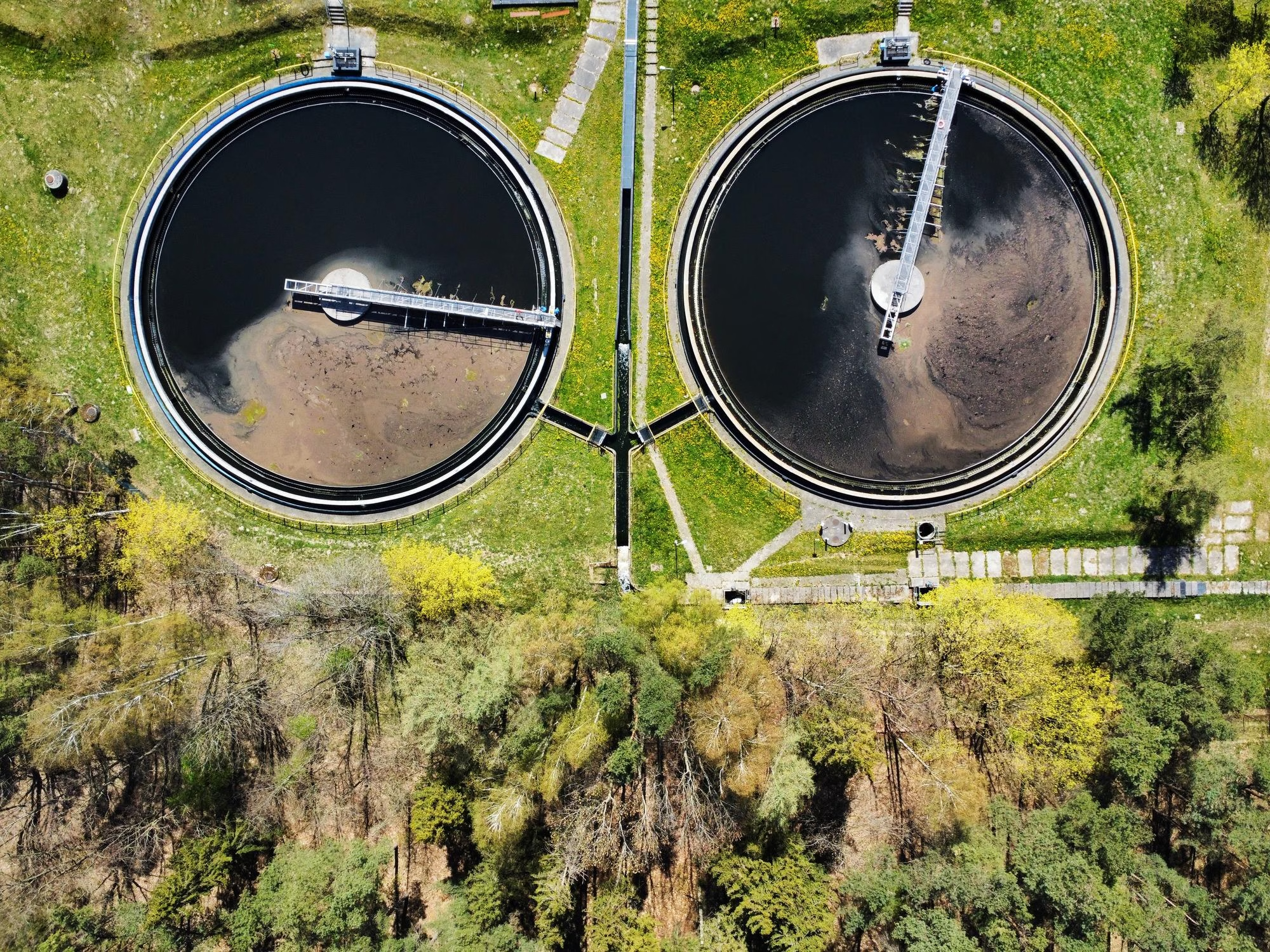
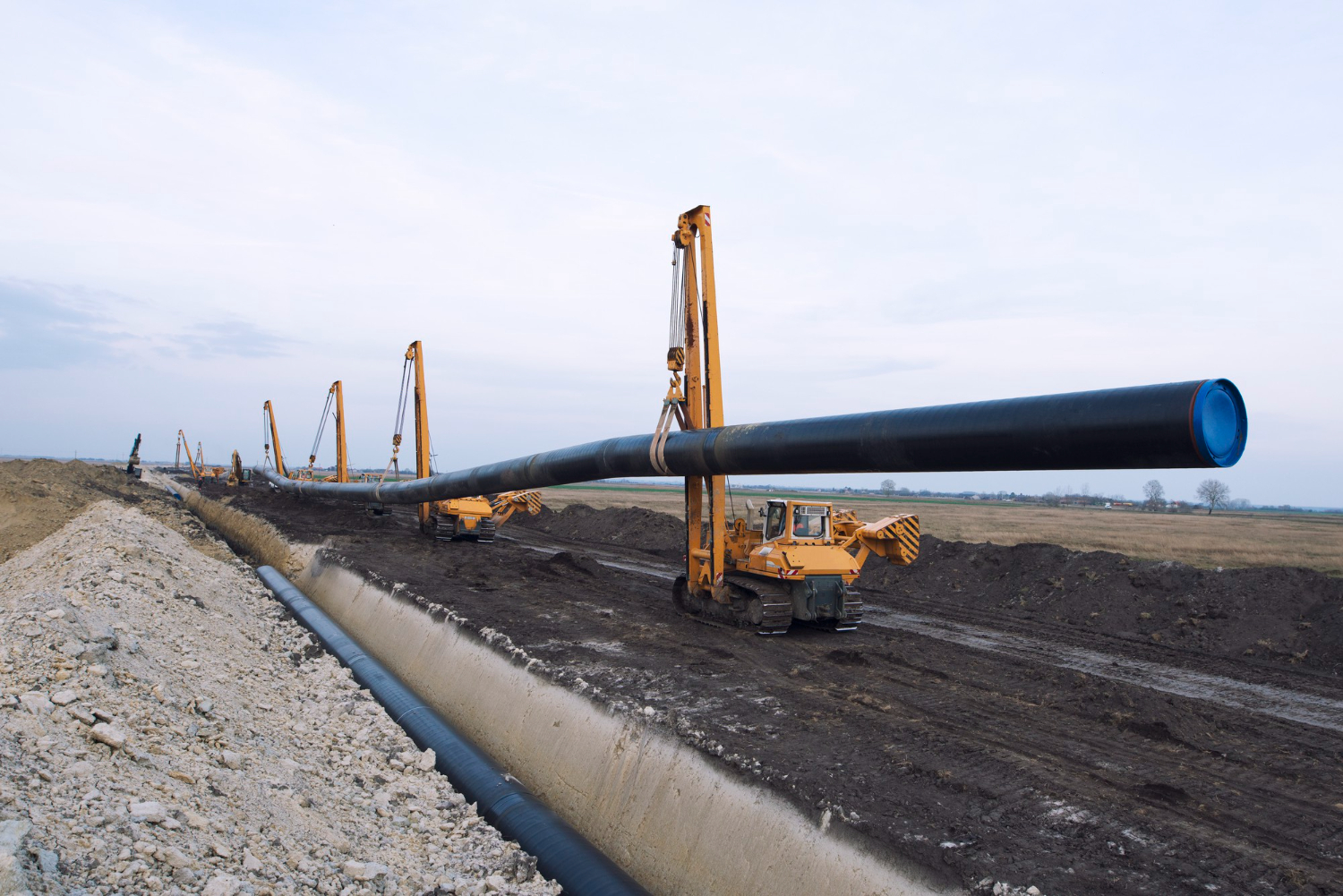
Industries are affected by water quality in many ways, including production efficiency, equipment life, product quality, and regulatory compliance. From a pharmaceutical plant that needs purified process water to a textile plant with high water consumption, it is a business decision that is crucial to choose the right water treatment partner.When looking for a water treatment plant manufacturer in Ahmedabad, it is important to know about the technology, design process and services offered by an industrial water treatment system. A good plant will provide not only a consistent water quality, but will also lower operating expenses, downtime, and industry compliance with environmental regulations.The city has become an industrial centre of Gujarat and is home to industries like pharmaceuticals, chemicals, textiles, engineering, food processing, dairy and packaging. The need for effective water treatment and wastewater management solutions is also growing as industrial operations continue to grow.

read blog

What Mumbai's Monsoon Flooding Teaches Us About Urban Infrastructure

Every monsoon, Mumbai finds itself at the center of national attention as heavy rainfall disrupts daily life, inundates roads, affects railway services, and causes waterlogging across several parts of the city. In recent monsoon spells, the India Meteorological Department (IMD) has issued multiple heavy rainfall alerts for Mumbai and surrounding districts, while the Brihanmumbai Municipal Corporation (BMC) has activated flood response measures, pumping stations, and emergency teams to manage rising water levels.According to the India Meteorological Department, extreme rainfall events are becoming more frequent in many parts of India due to changing climatic conditions. These weather events are testing the resilience of urban infrastructure like never before. (Source: India Meteorological Department – https://mausam.imd.gov.in) Mumbai's experience is not unique. Cities such as Bengaluru, Chennai, Hyderabad, Delhi, and Ahmedabad have also witnessed recurring urban flooding, making it clear that India must rethink how cities are planned, constructed, and managed.As experts in water infrastructure and EPC solutions, OmYash Projects understands that resilient infrastructure is the foundation of sustainable urban development.

read blog

What the IMD's Monsoon Forecast Means for India's Water Infrastructure

Every year, millions of Indians eagerly await the India Meteorological Department (IMD) monsoon forecast. While farmers often receive the most attention during these announcements, the forecast is equally critical for engineers, dam authorities, EPC companies, urban planners, and policymakers responsible for managing the country's water infrastructure.The southwest monsoon contributes nearly 75–80% of India's annual rainfall, making it the backbone of the nation's water resources. The forecast issued by the IMD influences how reservoirs are operated, how irrigation systems are managed, how cities prepare for flooding, and how governments plan water distribution for the coming months.According to the India Meteorological Department (IMD), seasonal forecasts are developed using advanced weather models, ocean-atmosphere observations, and climate analysis to help governments and infrastructure agencies prepare for varying rainfall patterns. (Source: India Meteorological Department – https://mausam.imd.gov.in)With expertise in water infrastructure and EPC solutions, OmYash Projects supports the development of resilient infrastructure that helps India efficiently store, distribute, and manage water during both abundant and deficient monsoon seasons.

read blog

How India's Jal Jeevan Mission Is Transforming Rural Water Infrastructure

Access to clean drinking water is one of the most important indicators of a nation's development. Over the past few years, India's Jal Jeevan Mission (JJM) has emerged as one of the country's largest rural infrastructure initiatives, aiming to provide safe and reliable tap water to every rural household.The mission has significantly accelerated investments in water supply infrastructure, including transmission pipelines, pumping stations, water treatment plants, overhead storage reservoirs, and distribution networks. Beyond improving public health, the initiative is strengthening rural infrastructure, supporting economic development, and improving the quality of life for millions of people.With expertise in water infrastructure and EPC solutions, OmYash Projects contributes to the development of modern water systems that help communities access sustainable and reliable water supplies.

read blog

How Dam Spillways Protect Communities During Heavy Monsoon Rains

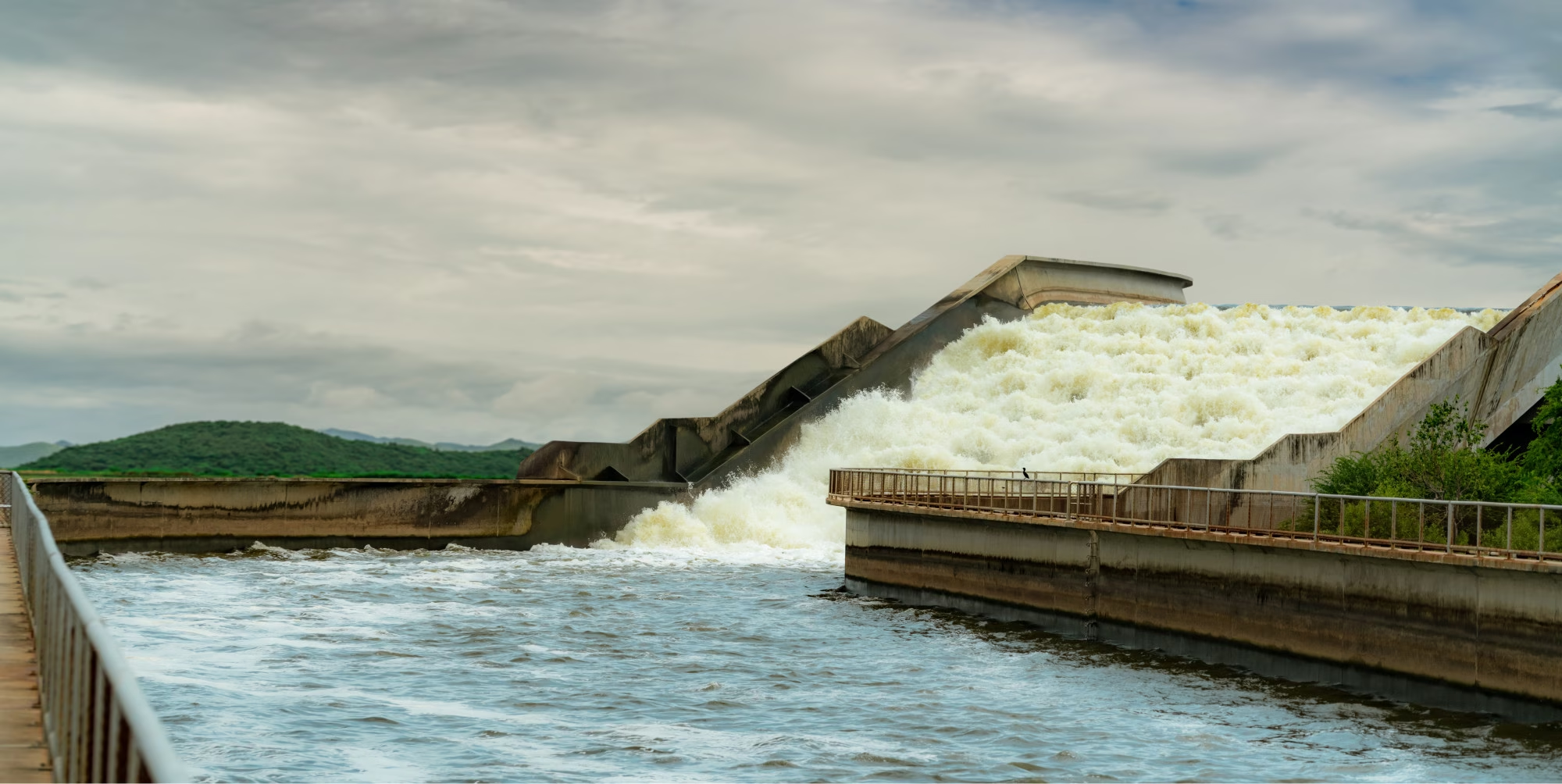
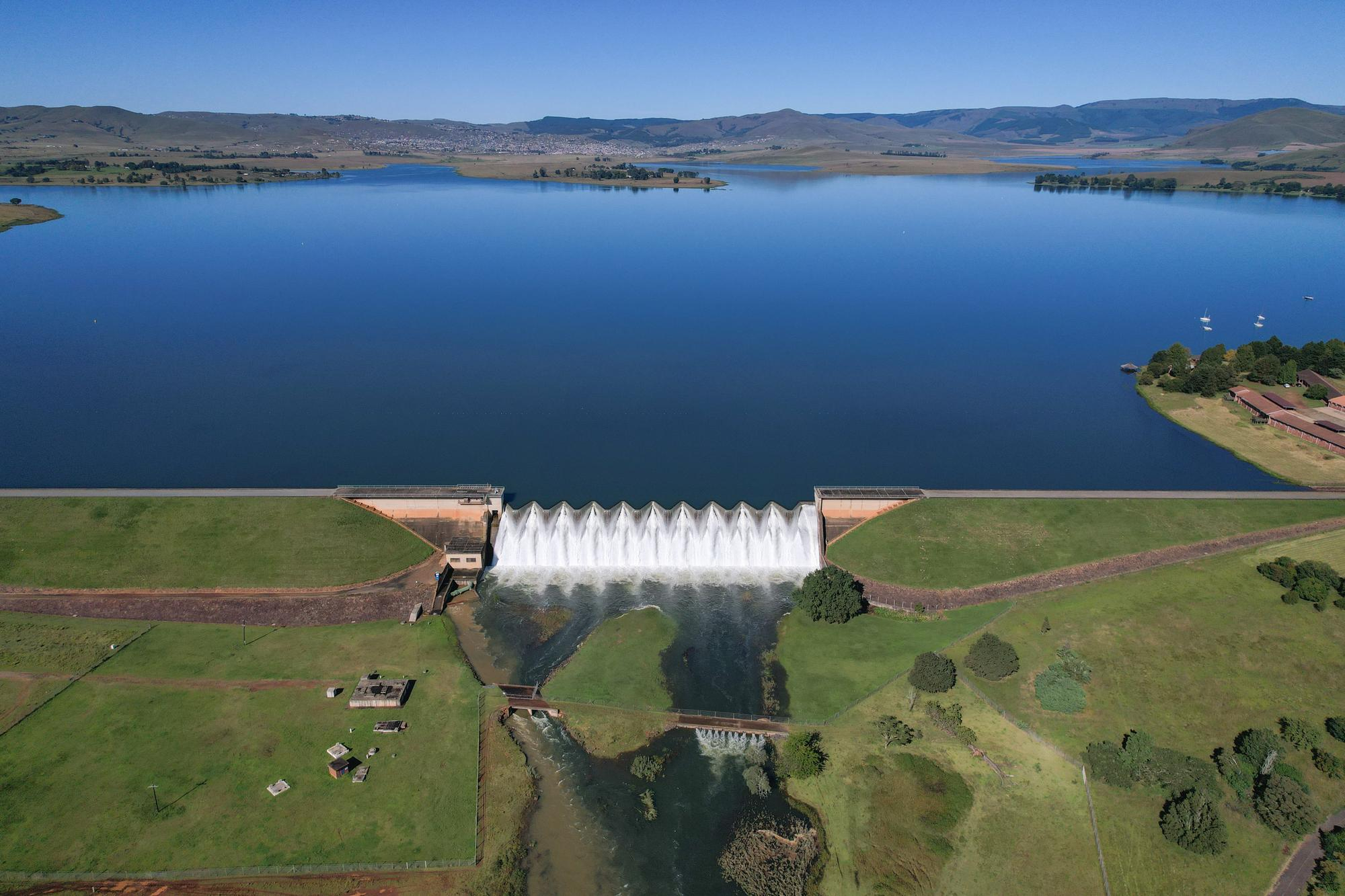
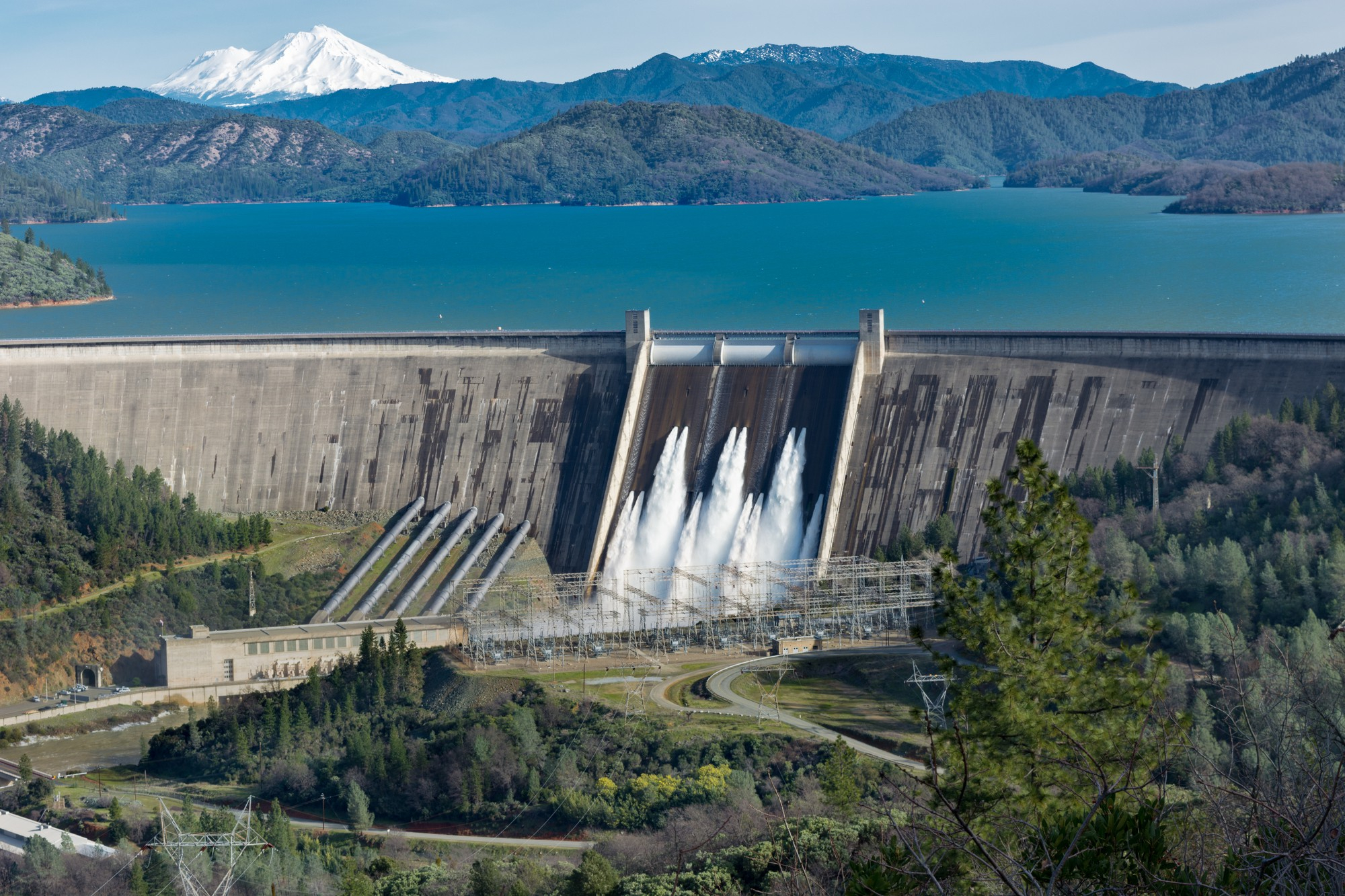
Every monsoon, news headlines frequently report that dam gates have been opened following heavy rainfall. While these announcements may raise concerns among nearby communities, controlled water releases are a vital part of dam operations and play an essential role in protecting lives, infrastructure, and water resources.At the heart of this process are spillways—specialized structures designed to safely release excess water when reservoir levels rise beyond safe limits. Without properly designed spillways, dams would face enormous structural pressure during periods of intense rainfall.Through its expertise in water infrastructure and EPC solutions, OmYash Projects contributes to the development of resilient infrastructure that supports safe reservoir management and long-term water security.

read blog

How Interlinking Rivers Could Solve India's Water Distribution Challenges

India is home to some of the world's largest river systems, yet millions of people continue to face water shortages every year. While certain regions experience devastating floods during the monsoon, others struggle with severe droughts and declining groundwater levels. This uneven distribution of water has made river interlinking one of the most discussed infrastructure initiatives in the country.River interlinking aims to transfer surplus water from water-rich river basins to regions facing chronic water scarcity. When combined with modern reservoirs, dams, lift irrigation systems, and transmission infrastructure, interlinking projects have the potential to strengthen India's long-term water security.Through its expertise in water infrastructure and EPC solutions, OmYash Projects contributes to the development of engineering solutions that improve water management and support sustainable infrastructure across India.

read blog

How Extreme Weather Is Reshaping Infrastructure Planning in India

India has witnessed a sharp rise in extreme weather events over the past few years. From record-breaking heatwaves and prolonged droughts to intense monsoon rainfall, flash floods, and cyclones, changing climate conditions are placing unprecedented pressure on the country's infrastructure.These events are no longer isolated incidents—they are becoming more frequent and severe. As a result, infrastructure planning is evolving to prioritize resilience, sustainability, and long-term adaptability. Modern engineering solutions are now designed not only to support economic growth but also to withstand climate-related challenges.Through its expertise in water infrastructure and EPC solutions, OmYash Projects contributes to building resilient infrastructure that supports sustainable development across Gujarat and India.

read blog

How Gujarat Prepares Its Water Infrastructure Before Every Monsoon

Every year, before the arrival of the southwest monsoon, Gujarat begins one of its most important infrastructure exercises—preparing its water systems to safely store, distribute, and manage millions of litres of rainwater. From inspecting dams and reservoirs to maintaining transmission pipelines and lift irrigation systems, these efforts help ensure reliable water availability throughout the year while reducing flood risks during heavy rainfall.With changing climate patterns and increasing instances of both droughts and intense rainfall, proactive planning has become more important than ever. Through its expertise in water infrastructure and EPC solutions, OmYash Projects contributes to the development of resilient infrastructure that supports long-term water security across Gujarat and India.

read blog

What Happens When Reservoir Levels Fall Below Critical Capacity?

Every summer, reservoir levels become one of the most closely monitored indicators of India's water security. News reports frequently highlight reservoirs reaching low storage levels, prompting concerns about drinking water availability, irrigation, and industrial supply.When reservoirs fall below their critical capacity, the effects extend far beyond reduced water storage. Communities, farmers, industries, and local governments all experience the consequences of limited water availability.Through its expertise in water infrastructure and EPC solutions, OmYash Projects contributes to the development of sustainable infrastructure that improves water storage, transmission, and long-term resource management.

read blog

How Reservoir Levels Impact Water Supply During Summer Months

Every summer, discussions around reservoir levels become a major focus across India. Government agencies, municipalities, industries, and farmers closely monitor water storage levels because reservoirs play a critical role in ensuring uninterrupted water supply during periods of high demand.As temperatures rise and water consumption increases, reservoir management becomes essential for maintaining water security. Through its expertise in water infrastructure and EPC solutions, OmYash Projects supports the development of sustainable water infrastructure that helps communities manage seasonal water challenges effectively.

read blog

Why Gujarat's Water Infrastructure Is Becoming Critical Amid Rising Heatwaves

Gujarat has emerged as one of India's fastest-growing industrial and economic hubs. However, rising temperatures, changing rainfall patterns, rapid urbanization, and increasing water demand are creating new challenges for sustainable water management across the state.As heatwaves become more frequent and intense, the importance of robust water infrastructure has never been greater. Investments in reservoirs, dams, transmission pipelines, lift irrigation systems, and treatment facilities are essential to ensure long-term water security.Through its expertise in water infrastructure and EPC solutions, OmYash Projects supports the development of critical infrastructure that helps communities, industries, and agricultural sectors access reliable water resources.

read blog

How Smart Dams Are Transforming Water Management in India

As India faces increasing water stress, climate uncertainty, and growing demand for water resources, traditional dam infrastructure is evolving through digital technologies. Smart dams are helping water authorities improve efficiency, optimize reservoir operations, and strengthen long-term water security.Through advanced monitoring systems and automated controls, smart dams are transforming how water resources are managed across the country. Through its expertise in water infrastructure and EPC solutions, OmYash Projects supports modern infrastructure development that improves operational efficiency and sustainability.

read blog

How Climate Change Is Affecting India's Water Infrastructure

Climate change is emerging as one of the biggest challenges facing India's water sector. Rising temperatures, unpredictable rainfall patterns, frequent droughts, and extreme weather events are putting enormous pressure on existing infrastructure.As the country faces increasing water stress, the need for resilient and sustainable infrastructure has never been greater. Through its expertise in water infrastructure and EPC solutions, OmYash Projects contributes to building systems that support long-term water security.

read blog

How Reservoir Management Helps Prevent Water Shortages

Water shortages are becoming increasingly common across India due to changing rainfall patterns, rapid urbanization, population growth, and climate change. While dams and reservoirs provide essential water storage capacity, efficient reservoir management is equally important to ensure water availability throughout the year.Through its expertise in water infrastructure and EPC solutions, OmYash Projects supports sustainable water management through integrated infrastructure development and transmission systems.

read blog

Why Water Storage Capacity Matters During Heatwaves and Droughts

As India experiences increasingly severe heatwaves and changing rainfall patterns, water storage infrastructure has become more important than ever. Rising temperatures, declining groundwater levels, and irregular monsoon patterns are putting enormous pressure on existing water resources.To ensure long-term water security, investments in reservoirs, dams, pipelines, and treatment infrastructure are essential. Through its expertise in water infrastructure and EPC solutions, OmYash Projects contributes to the development of systems that support sustainable water management across India.

read blog

How Dam Infrastructure Helps Solve Water Scarcity in India

Water scarcity continues to be one of India's most pressing challenges. Rapid urbanization, changing rainfall patterns, increasing population, and climate change have significantly increased pressure on available water resources. To address these challenges, dam infrastructure plays a critical role in ensuring long-term water security and sustainable development.Through its expertise in water infrastructure and EPC solutions, OmYash Projects contributes to the development of large-scale infrastructure systems that improve water availability and distribution across regions.

read blog

Why Indian Cities Are Facing Water Shortages and How Infrastructure Can Help

Water scarcity is becoming one of India's biggest challenges. Several cities across the country have experienced declining reservoir levels, increasing demand, and prolonged heatwaves, putting tremendous pressure on existing water resources. With rapid urbanization and climate variability, the need for robust infrastructure has become more important than ever.Through its expertise in water infrastructure and EPC solutions, OmYash Projects contributes to the development of reliable systems that support long-term water security.

read blog

STP vs ETP vs WTP: Understanding the Differences

Water treatment plays a crucial role in ensuring sustainable water management and environmental protection. However, many people often confuse STP, ETP, and WTP systems because all three involve water treatment processes.Although they may seem similar, each system serves a different purpose and is designed for specific applications. Through its comprehensive water infrastructure and EPC solutions, OmYash Projects delivers engineering solutions that support sustainable water management across industrial and municipal sectors.

read blog

Common Pipeline Construction Challenges and How Engineers Solve Them

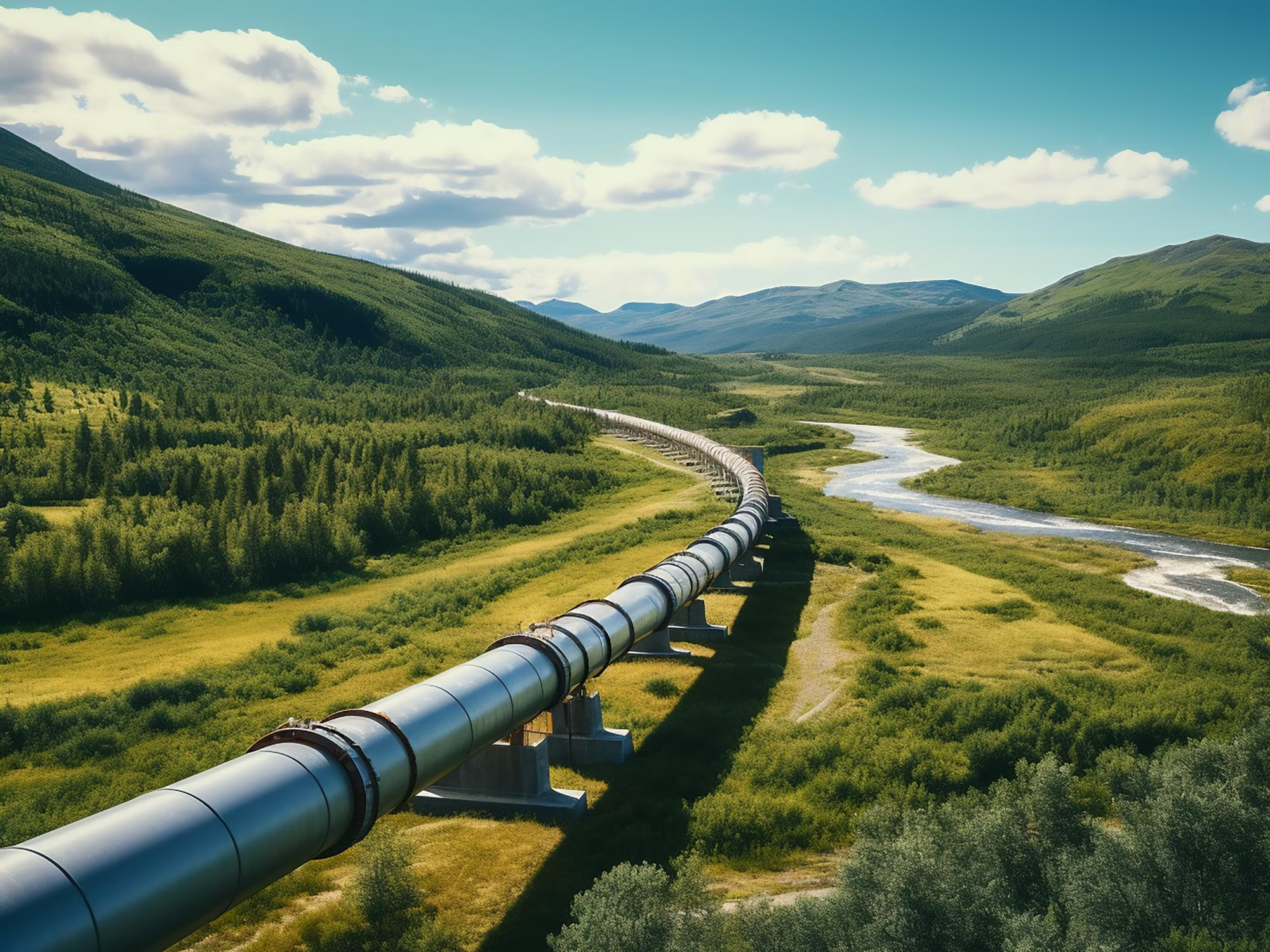
Pipeline infrastructure forms the backbone of water transmission, irrigation systems, industrial utilities, and energy networks. However, constructing long-distance pipelines involves numerous engineering, environmental, and logistical challenges that require specialized expertise and meticulous planning.Through its comprehensive water infrastructure and EPC solutions, OmYash Projects delivers reliable pipeline systems designed for long-term operational performance and sustainability.

read blog

What Is Hydrostatic Testing in Pipelines? Process, Standards and Benefits

Hydrostatic testing is one of the most critical quality assurance procedures performed before a pipeline is commissioned. It helps engineers verify the structural integrity, pressure resistance, and leak-tightness of a pipeline system before it becomes operational.Whether used in water transmission networks, lift irrigation projects, industrial infrastructure, or hydrocarbon pipelines, hydrostatic testing plays an essential role in ensuring safe and reliable performance.As part of its water infrastructure and EPC solutions, OmYash Projects follows stringent testing and quality control procedures to ensure long-term project reliability.

read blog

How to Select an EPC Contractor for Large Infrastructure Projects

Selecting the right Engineering, Procurement, and Construction (EPC) contractor is one of the most important decisions for the success of any infrastructure project. Whether it involves water transmission systems, lift irrigation projects, treatment plants, or industrial infrastructure, the capabilities of the EPC contractor directly affect quality, timelines, and long-term performance.Experienced companies offering water infrastructure and EPC solutions help clients streamline project execution while reducing technical and operational risks.

read blog

Pipeline Testing Methods Before Commissioning: A Complete Guide

Before a pipeline is put into operation, it must undergo rigorous testing to ensure safety, reliability, and long-term performance. Whether the pipeline is designed for water transmission, lift irrigation, industrial applications, or municipal infrastructure, testing is a critical step in the commissioning process.Pipeline failures can lead to costly repairs, operational disruptions, environmental damage, and safety risks. Proper testing helps identify defects before the system becomes operational.

read blog

What Is a Cross Country Pipeline? Design, Construction and Applications

A cross country pipeline is a long-distance pipeline system used to transport water, oil, gas, or industrial fluids between locations. These pipelines are commonly used in water transmission projects, lift irrigation schemes, industrial infrastructure, and hydrocarbon transportation networks.

read blog

DI Pipe vs MS Pipe for Water Infrastructure Projects: Which One Should You Choose?

Selecting the right pipeline material is one of the most important decisions in any water infrastructure project. Whether it is a bulk water transmission system, lift irrigation project, municipal water supply network, or industrial water distribution system, the choice of pipe directly impacts project lifespan, maintenance costs, operational efficiency, and long-term reliability.

read blog

Oil and Gas Pipelines in India: Future of Energy Infrastructure & EPC Development

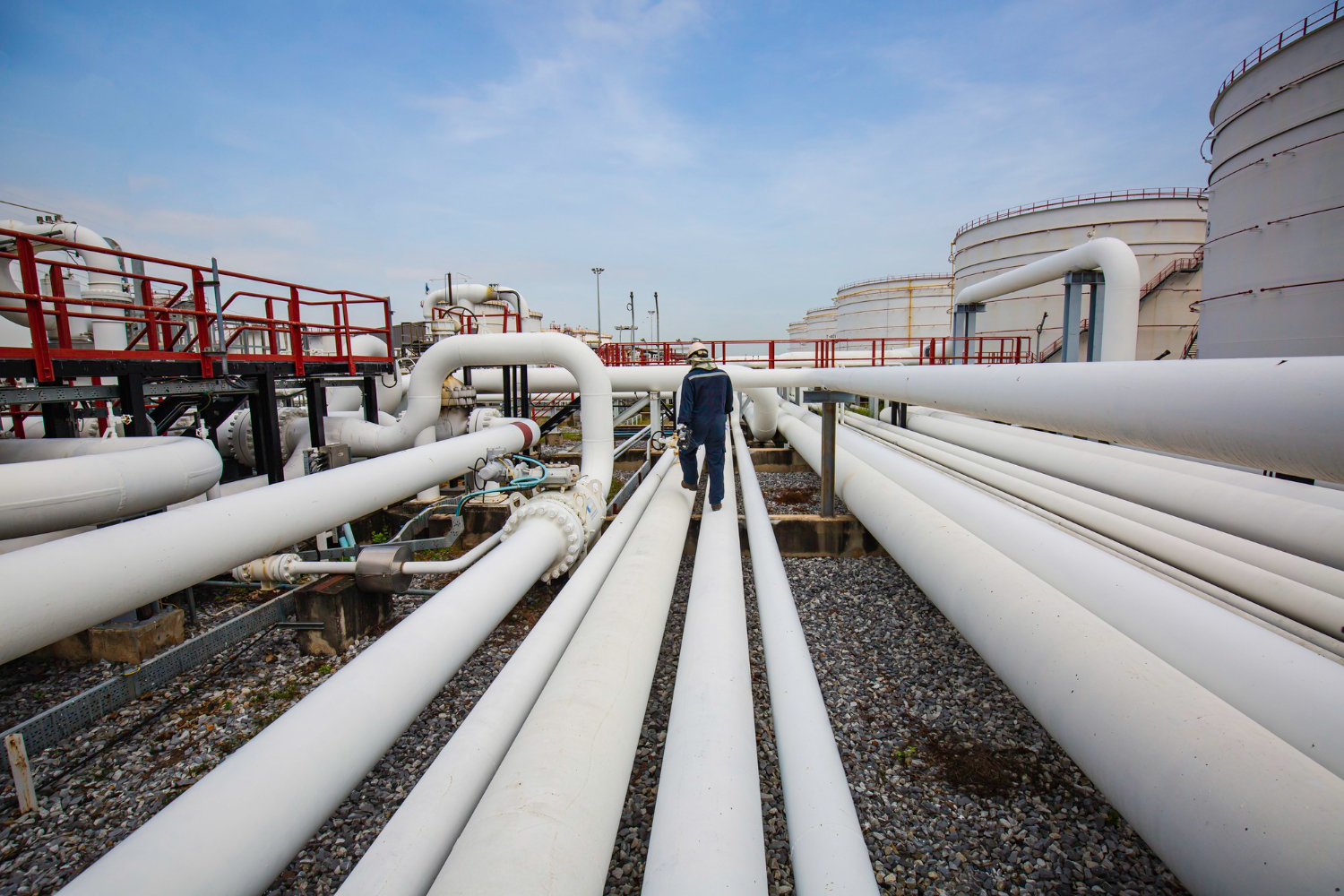
Oil and gas pipelines in India are becoming the backbone of the country’s rapidly expanding energy infrastructure. As India continues to experience industrial growth, urbanization, and rising energy consumption, the need for a reliable, safe, and efficient hydrocarbon transportation network has become more important than ever.From crude oil transportation to natural gas distribution, pipeline infrastructure plays a critical role in supporting industries, power generation, refineries, and residential energy needs. Compared to traditional transportation methods such as railways or tanker trucks, pipelines offer safer, faster, and more cost-effective fuel transportation across long distances.

read blog

Water Infrastructure Company in Ahmedabad: Building Sustainable Growth with Omyash Projects

Ahmedabad is rapidly transforming into one of India’s fastest-growing industrial and urban centers. From expanding residential zones and industrial corridors to smart city projects and government-led infrastructure development, the demand for efficient water infrastructure has increased significantly over the last decade.As industries grow and urban populations rise, the need for reliable water management systems, pipeline infrastructure, wastewater treatment, and sustainable distribution networks becomes more critical than ever. Businesses, municipal bodies, and government authorities are now prioritizing long-term infrastructure solutions that ensure efficient water supply and environmental sustainability.

read blog

Government Infrastructure Projects in India: Complete EPC & Mega Projects Guide (2026) 

India’s infrastructure sector is growing rapidly in 2026 with major investments in highways, railways, airports, renewable energy, and smart city development. Government infrastructure projects in India such as Bharatmala highway projects, the Varanasi–Ranchi–Kolkata Expressway, high-speed rail corridors, NaviMumbai Airport, and the Khavda Renewable Energy Park are transforming connectivity, logistics, and industrial growth across the country. Backed by initiatives like PM GatiShakti and smart urban expansion plans, these mega projects are creating new opportunities for EPC companies, construction firms, and infrastructure developers in India. Backed by initiatives like PM GatiShakti National Master Plan, infrastructure risk guarantee funds, and public-private partnership (PPP) models, these mega projects are transforming transportation, freight movement, industrial growth, and sustainable energy infrastructure across India. From highways and railways to renewable energy and logistics hubs, India’s infrastructure development pipeline in 2026 is creating major opportunities for EPC contractors, construction companies, steel suppliers, and industrial development firms.

read blog

Oil Pipeline expansion in India because of Global war threats (2026 Insights)

The 2026 global geopolitical tension and war risks are redefining the strategies of energy globally and India is responding violently by increasing its oil and gas pipeline systems. This is caused by the need to have energy security, less risks of dependency on imports and increased domestic distribution. The decision to expand its pipelines is not only an infrastructure decision but also a precautionary measure to global disruptions in the supply chain. Corporations such as Omyash are becoming very instrumental in facilitating this change with innovative industrial solutions and supply chain assistance.

read blog

Major Developments, Growth Trends, Investment & Future Opportunities in Government Infrastructure Projects in India

India’s development is closely tied to the expansion of strong and reliable infrastructure. Government Infrastructure Projects in India have gained significant momentum over the past decade, with continuous investments and large-scale execution across the country. From transportation networks to smart urban planning, these projects are shaping the future of India.At present, government infra projects, upcoming government infrastructure projects in India, and upcoming government projects in Ahmedabad are playing a crucial role in driving economic growth, improving connectivity, and enhancing the quality of life. With increasing demand for faster and more efficient construction, companies like Omyash, one of the best infrastructure solution providers, are contributing to this transformation through modern construction techniques and reliable execution.

read blog

Infrastructure Company in Ahmedabad – Hire the Best Contractors for Your Project

infrastructure company in Ahmedabad selection is crucial, as businesses today look for reliability, experience, and end-to-end execution. Whether you are planning a large-scale industrial setup or a government infrastructure project, working with the right EPC contractor in Gujarat can make all the difference. In cities like Ahmedabad, the demand for a trusted infrastructure company in Ahmedabad is growing rapidly due to increasing development projects. This is where experienced EPC companies in Gujarat like Omyash play a crucial role in delivering quality-driven and timely solutions.

read blog

Government Infrastructure Projects in India (2026): Role of EPC Contractors in Large-Scale Development

India is undergoing a massive transformation driven by large-scale government infrastructure projects—from highways and industrial corridors to smart cities and urban development. These projects are not just shaping the nation’s future but also creating significant opportunities for construction companies and developers.At the center of this transformation are EPC (Engineering, Procurement, and Construction) contractors like Omyash, who play a critical role in executing complex infrastructure projects with efficiency, precision, and speed. With growing demand for reliable execution partners, choosing the right EPC contractor has become a key success factor for any government-backed development.

read blog

Building Gujarat’s Future with Trusted EPC Solutions : Infrastructure Company in Ahmedabad

Infrastructure Company in Ahmedabad services are in high demand among businesses, industries, and government sectors looking for experienced engineering expertise, timely project delivery, and reliable turnkey execution capabilities. Among the growing names in Gujarat’s infrastructure sector, Omyash is emerging as a trusted partner for industrial, commercial, and infrastructure development projects across Ahmedabad and Gujarat.From EPC solutions and civil construction to project management and infrastructure execution, Omyash delivers scalable solutions designed for modern development needs.

read blog

How Hydrocarbons Are Used in Oil and Gas Industry: Process, Treatment & Applications (2026 Guide)

Hydrocarbons are organic compounds made of hydrogen and carbon, forming the foundation of the oil and gas industry. They are extracted from crude oil and natural gas, processed through refining methods, and used in fuels, petrochemicals, and industrial applications. Proper hydrocarbon treatment—especially through systems like effluent treatment plants—is essential to reduce environmental impact and meet regulatory standards.

read blog

The advantages of Effluent Treatment Projects in manufacturing industries in India (2026 Guide).

The modern industrial environment has become such that environmental responsibility is not a choice anymore, but a necessity. Effluent Treatment Projects (ETPs) have emerged as an important component of contemporary manufacturing, particularly in a fast industrializing nation like India.Effluent Treatment Projects assist manufacturing industries in India minimise pollution, meet government regulations, recycle waste water and enhance sustainability and reduce long term operation costs.As the pollution standards tighten, compliance trends in ESG and the growing concern with sustainability, industries are also busily investing in sophisticated effluent treatment systems.

read blog

What Is EPC in Construction? Complete Guide to Engineering, Procurement & Construction Projects

The construction and infrastructure industry is evolving rapidly, and one of the most widely used project delivery models today is EPC in construction. From highways and pipelines to water treatment plants and industrial facilities, EPC plays a crucial role in executing large-scale projects efficiently.But what exactly is EPC, and why is it becoming the preferred choice for modern infrastructure development?In this guide, we will break down everything you need to know about EPC—its meaning, process, benefits, and real-world applications.

read blog
What is a River Lift Irrigation System? Working Principle, Components, Benefits & Applications (2026 Guide)
One of the largest challenges in the water supply in agriculture and industrial water supply is water availability. River lift irrigation systems are effective, practical and efficient in the areas where there is no possibility of canals or gravity irrigation. In case you are seeking an answer to a direct, clear question - here it is River lift irrigation system is a system of water supply that involves the direct lifting of water in a river with the help of a pump and supplying it to the fields or storage systems via pipes. It is majorly applied in regions that do not have flowing water because of the differences in elevation. The system comprises the pumps, pipelines, sources of power, and control systems to facilitate the delivery of water efficiently.

read blog

Water Treatment Plant Manufacturers in Ahmedabad, Gujarat, India: Complete Guide to Industrial & Municipal Treatment Solutions

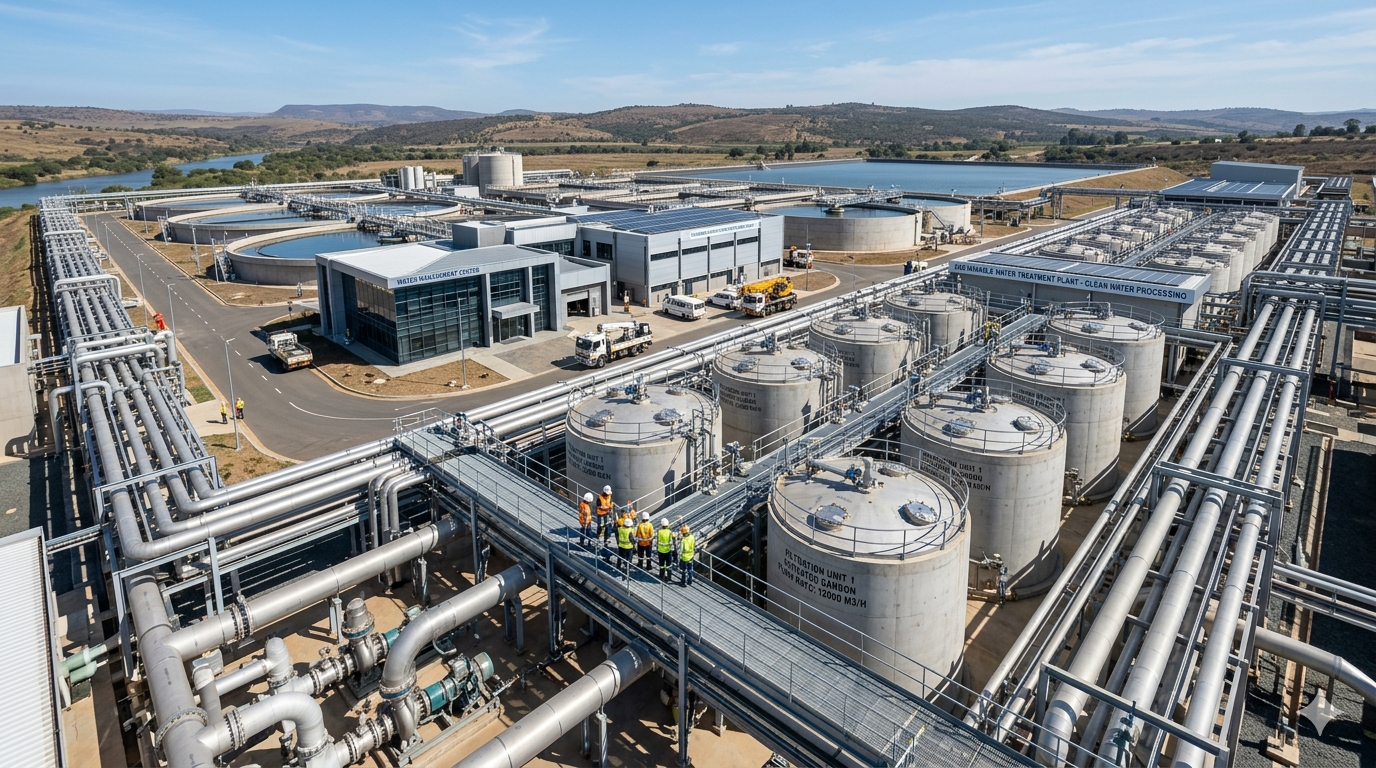
Omyash deals in development of modern water treatment plants infrastructures, pipeline systems and industrial water solutions in India. Having the experience in engineering support and infrastructure development, Omyash collaborates with industries and infrastructure development to provide efficient and water management systems that are reliable and sustainable.Explore our services:omyash.comIn Ahmedabad, Gujarat, India, the manufacturers of water treatment plants create and install sophisticated plants that purify water and eliminate contaminants and impurities in it, which can be used by industries and municipalities. These corporations also build the infrastructure of water plants, water pipelines, and large-scale water management systems in relation to infrastructure and urban development projects, throughout India.

read blog

Top EPC Project Company in Gujarat: OmYash Projects Ltd.

In the current infrastructure environment, efficiency, reliability and sustainable implementation are the factors that determine the success of any project. In the case of holistic Engineering, Procurement, and Construction (EPC) services in India, not many firms can be recognized likeOmYash Projects Ltd which is a reputed EPC project firm in Gujarat. Having years or experience in providing complex infrastructure solutions, OmYash has become known as the embodiment of quality, safety and innovation.

read blog