
How SCADA and IoT Are Modernising Irrigation Infrastructure in India
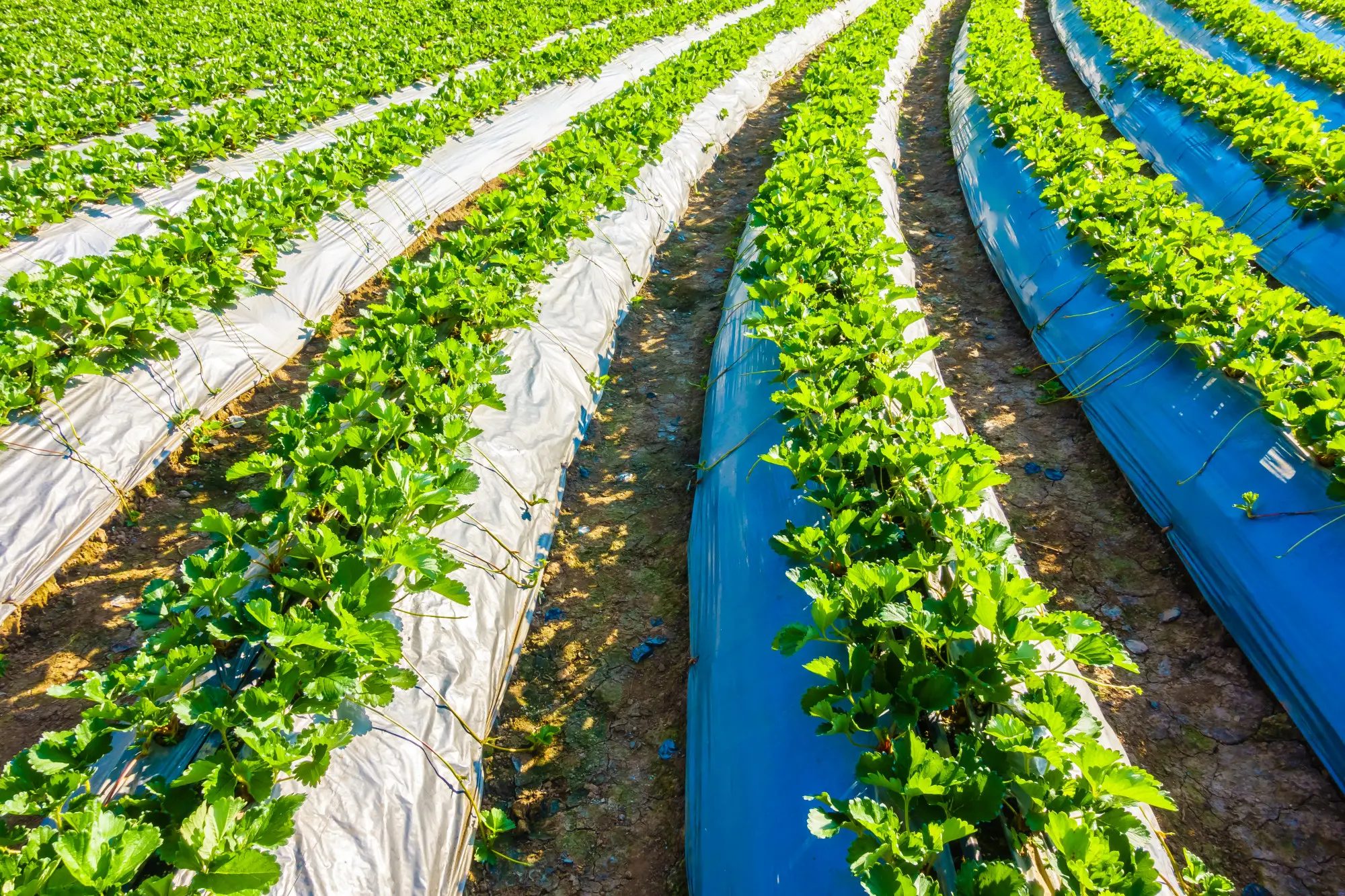
India’s Irrigation Infrastructure Is Entering a New Phase
For decades, the expansion of irrigation infrastructure in India was largely measured by physical assets.
Dams were constructed.
Canals were developed.
Reservoirs stored water.
Pipelines transported it.
Pumping stations moved it across elevations.
Today, another layer is becoming increasingly important: intelligence.
India is beginning to modernise irrigation infrastructure using technologies such as Supervisory Control and Data Acquisition (SCADA) systems, Internet of Things (IoT) devices, automated controls, and pressurised water distribution networks.
In March 2026, the Government of India highlighted the role of SCADA and IoT-based irrigation modernisation under the Pradhan Mantri Krishi Sinchayee Yojana.
According to the Press Information Bureau’s official update on SCADA and IoT-based irrigation modernisation, the government has approved pilot projects under the Modernization of Command Area Development and Water Management initiative.
The development represents an important shift.
India is no longer looking only at creating additional irrigation infrastructure.
The focus is increasingly moving towards improving how existing and future water systems are monitored, controlled, and operated.
For companies involved in water infrastructure and EPC solutions, this transition could significantly influence the planning and execution of future irrigation and hydraulic infrastructure projects.
What Is Irrigation Modernisation?
Irrigation modernisation is the process of improving existing irrigation systems using better engineering, technology, monitoring, and water distribution methods.
Traditional irrigation systems may depend heavily on manually operated canals and water distribution networks.
Modern irrigation infrastructure can incorporate:
- Pressurised pipeline networks
- Automated gates and valves
- Flow monitoring systems
- SCADA technology
- IoT sensors
- Remote control systems
- Real-time data collection
- Digital water management platforms
The objective is not simply to construct more infrastructure.
It is to make water infrastructure more efficient, measurable, responsive, and reliable.
What Has the Government Announced?
The Government of India has approved pilot projects for the Modernization of Command Area Development and Water Management initiative under the Pradhan Mantri Krishi Sinchayee Yojana.
The initiative focuses on improving water delivery from irrigation sources to agricultural fields.
One of the important aspects of this approach is the use of underground pressurised piped irrigation networks.
These systems can be supported by modern technologies including:
- SCADA
- IoT systems
- Water measurement devices
- Automated control systems
This creates a fundamentally different approach to irrigation management.
Instead of relying entirely on open canal networks and manual water distribution, future irrigation systems can increasingly use controlled pipeline networks and digital monitoring.
Why Does India Need Smarter Irrigation Infrastructure?
India has one of the world’s largest agricultural sectors.
Reliable irrigation infrastructure is therefore directly connected to:
- Food security
- Rural development
- Agricultural productivity
- Water security
- Economic stability
However, delivering irrigation water efficiently is a complex engineering challenge.
Water must often travel considerable distances between reservoirs, rivers, dams, canals, and agricultural fields.
During this journey, infrastructure systems must manage:
- Water losses
- Pressure variations
- Uneven distribution
- Changing agricultural demand
- Seasonal water availability
Traditional irrigation systems may struggle to provide accurate information about how much water is moving through the network and where losses are occurring.
Smart infrastructure can help address this information gap.
What Is SCADA in Irrigation Infrastructure?
SCADA stands for Supervisory Control and Data Acquisition.
It is a technology system used to monitor and control infrastructure remotely.
SCADA systems are already widely used across industries including:
- Power generation
- Manufacturing
- Oil and gas
- Water treatment
- Pipeline infrastructure
In irrigation systems, SCADA technology can help operators monitor and control water infrastructure from centralized locations.
A SCADA-enabled irrigation system may provide information about:
- Water flow
- Pipeline pressure
- Reservoir levels
- Pumping station performance
- Gate positions
- Valve operations
This information can help infrastructure operators make faster and more informed decisions.
For example, if pressure suddenly drops in a section of a pipeline network, the monitoring system may help operators identify the issue more quickly.
Similarly, water releases can potentially be adjusted based on real-time demand and infrastructure conditions.
What Is the Role of IoT in Irrigation?
The Internet of Things refers to networks of connected sensors and devices that collect and transmit information.
In irrigation infrastructure, IoT devices can be installed across different parts of the water network.
These sensors may monitor:
- Soil moisture
- Water levels
- Pipeline pressure
- Flow rates
- Pump performance
- Equipment conditions
The information collected by these devices can be transmitted to central monitoring platforms.
This allows infrastructure operators to gain greater visibility into system performance.
The combination of SCADA and IoT technology creates an important opportunity.
SCADA systems can provide centralized monitoring and control.
IoT devices can provide detailed information from multiple points across the infrastructure network.
Together, these technologies can make irrigation systems more intelligent and responsive.
Why Pressurised Irrigation Networks Matter
Another important aspect of irrigation modernisation is the development of pressurised pipeline networks.
Traditional irrigation infrastructure often relies on open canals.
Canal systems remain extremely important to India’s agricultural infrastructure.
However, pressurised pipelines can offer advantages in certain applications.
These may include:
- Reduced conveyance losses
- Better control over water distribution
- Improved pressure management
- Easier integration with monitoring technology
- More accurate water delivery
Developing these systems requires significant engineering expertise.
Projects may involve:
- Pumping stations
- Large-diameter pipelines
- Valves
- Control systems
- Storage infrastructure
- Electrical systems
- Monitoring technology
The major infrastructure projects executed by OmYash Projects demonstrate how large-scale water infrastructure requires coordination between multiple engineering and construction disciplines.
From Canal Infrastructure to Integrated Water Networks
The future of irrigation infrastructure is unlikely to involve completely replacing canals with pipelines.
Instead, India could increasingly develop integrated water networks.
A reservoir may store water.
A canal may transport it across a region.
A pumping station may move it to higher elevations.
A pipeline network may distribute it closer to agricultural areas.
Digital monitoring systems may track the entire process.
This creates a more interconnected infrastructure system.
Each component must work together.
This is where engineering, procurement, and construction capabilities become increasingly important.
An experienced EPC infrastructure company must be able to coordinate civil, hydraulic, mechanical, electrical, and digital infrastructure requirements.
How Smart Irrigation Could Reduce Water Losses
Water losses remain an important challenge in large infrastructure networks.
Losses can occur due to:
- Leakage
- Seepage
- Infrastructure damage
- Poor maintenance
- Inefficient distribution
Traditional systems may not always identify these problems immediately.
Smart monitoring systems can provide infrastructure operators with better information.
For example, sensors can monitor flow rates at different points within a pipeline network.
If the amount of water entering one section is significantly different from the amount leaving it, operators may investigate potential losses.
Pressure monitoring can also help identify unusual conditions.
This allows infrastructure management to become more proactive.
Instead of waiting for visible infrastructure failure, operators can use data to identify potential problems earlier.
The Growing Importance of Water Measurement
One of the most important elements of modern water infrastructure is measurement.
Infrastructure operators need to know:
- How much water is available?
- How much water is being transported?
- How much water is being delivered?
- Where are losses occurring?
- How efficiently is infrastructure operating?
Without accurate information, improving infrastructure performance becomes difficult.
This is why flow meters, pressure sensors, reservoir monitoring systems, and digital platforms are becoming increasingly important.
Water infrastructure is gradually becoming more data-driven.
The physical infrastructure remains essential.
But the ability to measure its performance is becoming equally important.
What Does Irrigation Modernisation Mean for EPC Companies?
The transition towards smart irrigation infrastructure could create new opportunities and challenges for the EPC industry.
Traditional infrastructure projects often focus heavily on civil construction.
Modern projects may require much broader capabilities.
Hydraulic Engineering
Engineers must design systems capable of transporting and distributing water efficiently.
This includes evaluating:
- Flow rates
- Pressure requirements
- Elevation differences
- Pipeline diameters
- Pumping requirements
Civil Construction
Physical infrastructure remains the foundation of irrigation systems.
Projects may require:
- Pumping stations
- Reservoirs
- Pipeline networks
- Control structures
- Canal infrastructure
Mechanical Systems
Pumps, gates, valves, and other equipment must operate reliably.
Electrical Infrastructure
Modern pumping and control systems require dependable electrical infrastructure.
Digital Technology
SCADA platforms, IoT sensors, communication systems, and monitoring technology must be integrated with physical infrastructure.
This means future EPC projects could require much closer coordination between different engineering disciplines.
Why Project Integration Will Become More Important
A smart irrigation project cannot be divided neatly between civil infrastructure and technology.
The systems must be designed to work together.
For example, installing sensors after a pipeline network has already been constructed may create unnecessary complexity.
Instead, monitoring requirements should ideally be considered during the engineering and design stages.
The same applies to:
- Valve locations
- Flow measurement points
- Pumping station controls
- Communication infrastructure
This integrated approach is one of the strengths of EPC project delivery.
Engineering, procurement, and construction can be coordinated within a common project framework.
The services offered by OmYash Projects are relevant to infrastructure developments where complex engineering and execution requirements must be managed across multiple project stages.
Smart Irrigation and Water Security
The significance of irrigation modernisation extends beyond agriculture.
India faces growing pressure on its water resources.
Cities are expanding.
Industries require reliable water supplies.
Agriculture continues to depend heavily on irrigation.
Climate variability is creating additional uncertainty.
Under these conditions, improving the efficiency of existing water infrastructure becomes increasingly important.
Building more infrastructure will remain necessary.
But India must also improve the performance of infrastructure that already exists.
Smart irrigation technology can contribute to this objective by providing better information and greater operational control.
How Climate Variability Is Increasing the Need for Smart Infrastructure
Rainfall patterns can vary significantly between regions and seasons.
Some years may bring excessive rainfall.
Others may bring extended dry periods.
This creates challenges for reservoir operations and irrigation planning.
Infrastructure managers must decide:
- How much water should be stored?
- How much should be released?
- Where should it be distributed?
- Which regions have the greatest demand?
Real-time data can support better decision-making.
Reservoir monitoring systems can provide information about available storage.
Weather information can support planning.
Pipeline sensors can provide data about water distribution.
Together, these systems can create a more comprehensive picture of water infrastructure conditions.
The Connection Between Smart Irrigation and Smart Water Infrastructure
Irrigation modernisation is part of a much larger trend.
Water infrastructure across the world is becoming increasingly digital.
Modern systems can use technology to monitor:
- Dams
- Reservoirs
- Pipelines
- Pumping stations
- Treatment plants
- Irrigation networks
- Urban water systems
This creates the concept of smart water infrastructure.
The objective is to combine physical engineering assets with data and digital technology.
For India, this could become increasingly important as infrastructure networks expand.
Large systems are difficult to manage without accurate information.
Digital infrastructure can help operators understand what is happening across complex water networks.
What Are the Challenges of Smart Irrigation Infrastructure?
The potential benefits are significant, but implementation also creates challenges.
Initial Investment
Advanced monitoring and automation systems require investment.
Technology Integration
Digital systems must work effectively with physical infrastructure.
Maintenance
Sensors and monitoring equipment require regular maintenance.
Data Management
Large infrastructure networks can generate significant amounts of information.
This data must be analyzed effectively.
Technical Expertise
Operating modern infrastructure requires trained professionals.
Addressing these challenges will be important as India expands smart irrigation initiatives.
Why This Development Matters for Gujarat
Gujarat has extensive experience with large-scale water infrastructure.
The state has developed:
- Dams
- Reservoirs
- Canal networks
- Lift irrigation systems
- Water transmission pipelines
As water demand continues to grow across agriculture, cities, and industries, improving infrastructure efficiency will become increasingly important.
Smart irrigation systems could support better water distribution and infrastructure management.
The combination of hydraulic engineering, pipeline networks, pumping systems, and digital monitoring could play an increasingly important role in Gujarat’s future infrastructure development.
The Future of Irrigation Infrastructure in India
India’s irrigation infrastructure is entering a new phase.
The first phase of infrastructure development focused heavily on creating physical assets.
The next phase will increasingly focus on improving how those assets operate.
Future irrigation systems could combine:
- Dams and reservoirs
- Canals
- Pumping stations
- Pressurised pipelines
- SCADA systems
- IoT sensors
- Automated controls
- Data analytics
This represents a significant change.
Water infrastructure is becoming both physical and digital.
Engineering companies will increasingly need to understand both sides of this transition.
The Road Ahead
The Government’s focus on SCADA and IoT-based irrigation modernisation signals an important direction for India’s infrastructure sector.
The objective is not simply to construct more irrigation systems.
It is to create infrastructure that can be monitored, measured, controlled, and operated more efficiently.
This transition could help improve water distribution, reduce losses, support agricultural productivity, and strengthen long-term water security.
It could also change the nature of EPC project execution.
Future infrastructure projects will increasingly require expertise across civil engineering, hydraulic systems, pipelines, pumping infrastructure, electrical systems, automation, and digital monitoring.
For organisations planning complex irrigation, water transmission, and infrastructure projects, contact OmYash Projects to discuss project requirements and execution capabilities.
FAQs
What is SCADA in irrigation?
SCADA, or Supervisory Control and Data Acquisition, is a system that allows infrastructure operators to remotely monitor and control irrigation assets such as pumps, pipelines, gates, valves, and reservoirs.
How is IoT used in irrigation infrastructure?
IoT sensors can collect information about water flow, pipeline pressure, reservoir levels, soil moisture, pump performance, and equipment conditions and transmit this information to digital monitoring platforms.
What is irrigation modernisation?
Irrigation modernisation involves improving water infrastructure using better engineering, pressurised distribution systems, automation, monitoring technology, and data-driven management.
What is a pressurised irrigation network?
A pressurised irrigation network uses pipelines and pressure-controlled systems to transport and distribute water instead of relying entirely on open gravity-based canals.
How can SCADA reduce water losses?
SCADA systems can help operators monitor flow and pressure conditions across infrastructure networks, making it easier to identify unusual conditions and potential losses.
Why are EPC companies important for smart irrigation projects?
Smart irrigation projects require the integration of civil construction, hydraulic engineering, pipelines, pumping systems, electrical infrastructure, automation, and digital monitoring technologies.
What is the future of irrigation infrastructure in India?
India’s future irrigation infrastructure is likely to combine traditional assets such as dams, canals, and reservoirs with pressurised pipelines, SCADA systems, IoT sensors, automation, and data-driven water management.