
How Reservoir Levels Impact Water Supply During Summer Months
Why Reservoir Levels Matter
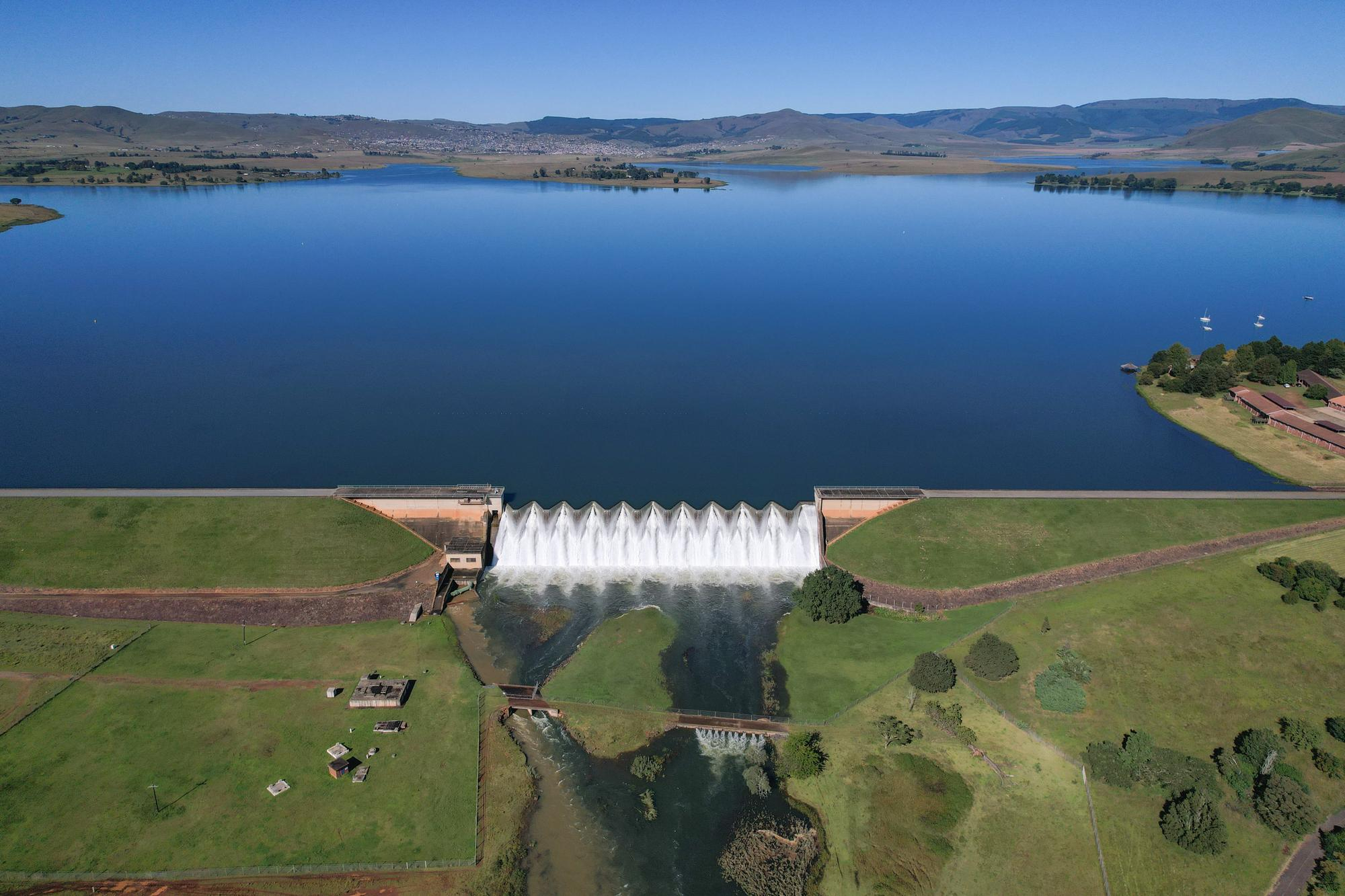
Reservoirs act as large-scale water storage systems that collect and store water during the monsoon season for use throughout the year.
Their primary functions include:
- Drinking water supply
- Agricultural irrigation
- Industrial water supply
- Groundwater recharge support
- Drought management
- Flood control
When reservoir levels decline significantly during summer, multiple sectors can be affected simultaneously.
Summer Brings Peak Water Demand
Water demand typically reaches its highest levels during the summer season.
Several factors contribute to this increase:
Higher Domestic Consumption
Households consume more water for drinking, cooling, cleaning, and daily activities.
Increased Agricultural Demand
Farmers rely on irrigation systems to support crops during dry periods.
Industrial Requirements
Industries often experience increased cooling and processing water requirements.
Evaporation Losses
High temperatures increase evaporation from reservoirs, reducing available storage.
These combined pressures make efficient reservoir management increasingly important.
What Happens When Reservoir Levels Drop?
When reservoir levels fall below normal storage capacity, several challenges may emerge.
Water Supply Restrictions
Municipal authorities may implement water rationing measures to conserve available resources.
Reduced Irrigation Availability
Agricultural operations may experience reduced access to irrigation water.
Increased Groundwater Dependence
Communities often turn to groundwater extraction when surface water supplies decrease.
Operational Challenges
Water treatment plants and transmission systems may face supply limitations.
Several major infrastructure projects executed by OmYash Projects highlight the importance of long-term water planning and storage management.
Reservoir Management Helps Maintain Water Security
Effective reservoir management helps balance water availability throughout the year.
Key strategies include:
- Controlled water releases
- Demand forecasting
- Storage optimization
- Water conservation measures
- Real-time monitoring
Modern reservoir operations focus on maximizing efficiency while ensuring reliable supply.
Role of Water Transmission Infrastructure
Even when water is available in reservoirs, efficient transmission systems are required to deliver it to end users.
Modern water transmission networks help:
- Reduce distribution losses
- Improve supply reliability
- Support urban growth
- Enhance operational efficiency
Through its comprehensive infrastructure services, OmYash Projects contributes to the development of large-scale water transmission systems that improve supply management.
Technology Is Improving Reservoir Operations
Advanced technologies are transforming reservoir management across India.
These solutions include:
- SCADA systems
- IoT sensors
- Automated monitoring
- Predictive analytics
- Water demand forecasting
Real-time data enables operators to make informed decisions regarding storage levels and water distribution.
As an experienced EPC infrastructure company, OmYash Projects recognizes the growing role of technology in modern water infrastructure projects.
Climate Change Is Increasing Reservoir Challenges
Climate variability is making water management more complex.
Some emerging challenges include:
- Unpredictable rainfall patterns
- Longer dry seasons
- Increased evaporation
- Extreme weather events
- Growing demand pressures
These trends highlight the importance of investing in resilient water infrastructure systems.
Why Infrastructure Investment Matters
Long-term water security depends on continuous investment in:
Reservoir Expansion
Increases storage capacity during high-rainfall periods.
Dam Infrastructure
Supports water retention and supply management.
Pipeline Networks
Improves water distribution efficiency.
Lift Irrigation Systems
Enhances water accessibility across diverse terrains.
Smart Monitoring Systems
Improves operational decision-making and resource allocation.
Explore the complete range of services offered by OmYash Projects to learn how infrastructure investments support sustainable water management.
Conclusion
Reservoir levels directly influence water availability during the summer months. As demand rises and climate challenges become more complex, effective reservoir management and strong infrastructure systems are becoming increasingly important.
Investments in reservoirs, dams, transmission pipelines, and smart monitoring technologies help ensure reliable water supply for communities, industries, and agriculture.
For expert guidance on water infrastructure development and EPC solutions, contact OmYash Projects to discuss your project requirements.
FAQs
Why are reservoir levels important during summer?
Reservoir levels determine the amount of stored water available for drinking, irrigation, industrial use, and other essential activities during high-demand periods.
What causes reservoir levels to decline in summer?
Increased water consumption, irrigation demand, industrial usage, and evaporation contribute to declining reservoir levels.
How does reservoir management improve water security?
Reservoir management helps optimize storage, regulate water releases, and ensure efficient resource utilization throughout the year.
Can technology improve reservoir operations?
Yes. Technologies such as SCADA systems, IoT sensors, and predictive analytics improve monitoring and operational efficiency.
Why is infrastructure important for water supply?
Infrastructure such as dams, reservoirs, pipelines, and lift irrigation systems ensures reliable storage, transmission, and distribution of water resources.