
Oil and Gas Pipelines in India: Future of Energy Infrastructure & EPC Development
Oil and gas pipelines in India are becoming the backbone of the country’s rapidly expanding energy infrastructure. As India continues to experience industrial growth, urbanization, and rising energy consumption, the need for a reliable, safe, and efficient hydrocarbon transportation network has become more important than ever.
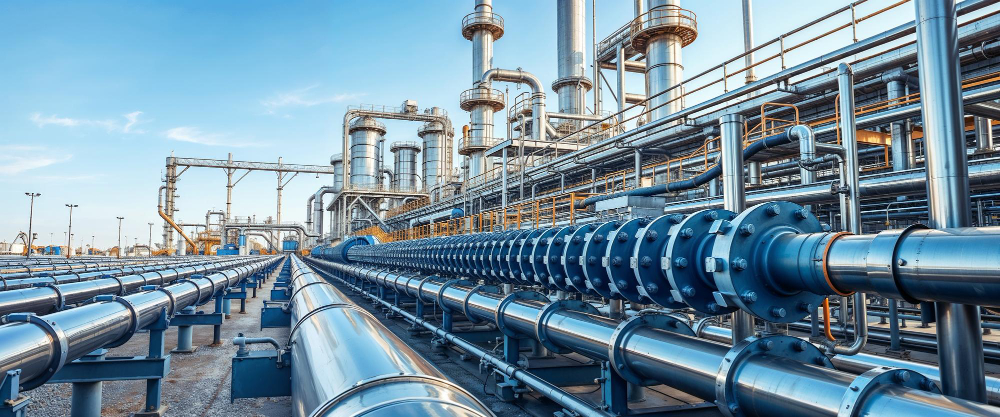
From crude oil transportation to natural gas distribution, pipeline infrastructure plays a critical role in supporting industries, power generation, refineries, and residential energy needs. Compared to traditional transportation methods such as railways or tanker trucks, pipelines offer safer, faster, and more cost-effective fuel transportation across long distances.
India is currently investing heavily in energy infrastructure development through initiatives such as the National Gas Grid, PM Gati Shakti, and Make in India. These projects are accelerating the development of cross country pipelines in India and creating major opportunities for EPC pipeline contractor companies.
Modern infrastructure firms like OmYash Projects are contributing significantly to this transformation by delivering advanced EPC solutions for hydrocarbon infrastructure, industrial pipeline engineering, and underground pipeline construction projects across India.
As the nation moves toward energy security, sustainability, and industrial modernization, pipeline EPC projects India will continue to shape the future of the country’s economic and infrastructure growth.
Oil and gas pipelines in India are critical infrastructure systems used for transporting crude oil, natural gas, petroleum products, and hydrocarbons across long distances safely and efficiently. These pipelines support India’s growing energy demand, industrial development, and economic growth by enabling reliable fuel transportation for refineries, industries, power plants, and city gas networks.
India’s pipeline infrastructure includes:
- Cross-country pipelines
- Natural gas transmission pipelines
- Crude oil pipelines
- LNG pipeline infrastructure
- Underground hydrocarbon transportation systems
Major pipeline networks such as the HBJ Pipeline, Jagdishpur–Haldia Pipeline, and national gas grid projects are strengthening the country’s energy infrastructure.
Modern EPC companies like OmYash Projects contribute to pipeline EPC projects in India through engineering, procurement, construction, industrial pipeline engineering, and hydrocarbon infrastructure development.
The future of oil and gas transportation infrastructure in India is being driven by:
- AI-based monitoring
- IoT pipeline inspection
- Smart infrastructure systems
- Sustainable EPC construction
- Hydrogen-ready pipelines
- Digital engineering technologies
Government initiatives such as PM Gati Shakti, Make in India, and the National Gas Grid are creating major growth opportunities for EPC pipeline contractors and infrastructure companies across India.
What Are Oil and Gas Pipelines?
Oil and gas pipelines in India are transportation systems that carry crude oil, natural gas, LNG, and petroleum products across different regions of the country. These pipelines help ensure safe, cost-effective, and continuous fuel transportation for industries, refineries, power plants, and city gas distribution networks.
These pipelines form an essential part of the petroleum pipeline network and energy infrastructure India depends upon.
Types of Oil & Gas Pipelines
1. Crude Oil Pipelines
Crude oil pipelines transport unrefined petroleum from oil fields to refineries where it is processed into fuels and industrial products.
These pipelines help reduce transportation costs while ensuring continuous fuel supply for refineries and industries.
2. Natural Gas Pipelines
Natural gas pipeline networks transport compressed gas from production facilities and LNG terminals to industrial zones, power plants, and urban distribution systems.
Gas transmission pipelines are increasingly important as India shifts toward cleaner energy sources.
3. Product Pipelines
Product pipelines carry refined fuels such as:
- Petrol
- Diesel
- Aviation fuel
- LPG
- Petrochemicals
These pipelines support efficient nationwide fuel distribution.
4. Cross-Country Pipelines
Cross-country pipelines in India are long-distance pipeline systems connecting multiple states, industrial regions, and energy hubs.
These projects require advanced engineering, route planning, welding expertise, and strict safety systems.
5. Hydrocarbon Transportation Systems
Hydrocarbon pipeline projects include integrated systems designed for:
- Oil transportation
- Gas transmission
- Petrochemical movement
- Industrial energy supply
These systems are critical for large-scale energy infrastructure development.
Importance of Oil and Gas Pipelines in India
1. Energy Security
India is one of the world’s largest energy consumers. A strong oil pipeline infrastructure India network ensures uninterrupted fuel transportation and reduces dependence on inefficient logistics systems.
Pipeline networks improve national energy security by ensuring stable fuel availability across regions.
2. Economic Growth
Pipeline infrastructure directly supports:
- Manufacturing industries
- Refineries
- Smart cities
- Industrial corridors
- Power generation
Large-scale hydrocarbon EPC projects create employment opportunities and drive economic growth.
3. Industrial Development
Industries require continuous access to fuel and energy. Industrial pipeline engineering enables efficient transportation of hydrocarbons to manufacturing plants and industrial zones.
This supports India’s industrial expansion and infrastructure modernization.
4. Reduced Transportation Costs
Pipelines are significantly more cost-effective than transporting fuel through rail or road.
Benefits include:
- Lower operational costs
- Reduced fuel losses
- Continuous transportation
- Minimal traffic dependency
5. Safer Fuel Transportation
Modern pipeline safety systems use advanced monitoring technologies to reduce risks associated with leakage, theft, or accidents.
Underground pipeline construction also minimizes environmental and public safety concerns.
Major Types of Pipeline Infrastructure
India’s pipeline infrastructure sector includes several specialized systems designed for different industrial and energy requirements.
Onshore Pipelines
Onshore pipelines are constructed across land for transporting oil, gas, and industrial fluids.
Applications include:
- Refineries
- Industrial plants
- LNG terminals
- City gas distribution
These are among the most common pipeline EPC projects India undertakes today.
Offshore Pipelines
Offshore pipelines are installed beneath oceans and seas to transport hydrocarbons from offshore drilling facilities to mainland processing units.
These projects involve complex marine engineering and corrosion protection systems.
Underground Pipelines
Underground pipeline construction helps protect pipelines from environmental exposure and external damage.
Advantages include:
- Improved safety
- Lower maintenance
- Better land utilization
- Reduced visual impact
Steel Pipelines
Steel pipelines are widely used in crude oil transportation and gas transmission pipelines because of their strength and durability.
They are suitable for high-pressure hydrocarbon transportation systems.
HDPE Pipelines
HDPE pipelines are commonly used for water transmission infrastructure and low-pressure industrial applications.
Benefits include:
- Corrosion resistance
- Flexibility
- Lightweight structure
- Long operational life
Industrial Transmission Pipelines
Industrial transmission pipelines transport chemicals, fuels, and process fluids across industrial facilities and manufacturing units.
These projects require precision engineering and quality execution.
Major Oil & Gas Pipeline Networks in India
India has developed several large-scale petroleum pipeline networks to strengthen national energy distribution.
HBJ Pipeline
The HBJ Pipeline (Hazira–Vijaipur–Jagdishpur) is one of India’s largest natural gas pipeline networks.
Key highlights:
- Operated by GAIL
- Supports industrial gas supply
- Connects multiple northern Indian states
- Strengthens India’s gas transmission infrastructure
Jagdishpur–Haldia Pipeline
Also known as the Pradhan Mantri Urja Ganga Project, this pipeline aims to expand natural gas access across eastern India.
The project supports:
- Industrial development
- Cleaner fuel adoption
- Urban gas supply
GAIL Infrastructure
GAIL operates one of the largest natural gas pipeline networks in India.
The company plays a major role in:
- LNG pipeline infrastructure
- Gas transmission pipelines
- National Gas Grid expansion
IOCL Pipeline Network
Indian Oil Corporation manages extensive crude oil and product pipeline systems across India.
Its network supports:
- Refineries
- Fuel terminals
- Aviation fuel distribution
- Petroleum transportation
How EPC Pipeline Projects Are Executed
Pipeline EPC projects India require highly coordinated engineering, procurement, and construction processes.
1. Survey & Route Planning
The first stage involves:
- Topographical surveys
- Geological analysis
- Environmental studies
- Land assessments
Accurate route planning minimizes future operational risks.
2. Engineering & Design
Pipeline engineering teams prepare:
- Structural designs
- Hydraulic calculations
- Pressure analysis
- Material specifications
Modern digital engineering technologies improve design accuracy and project efficiency.
3. Procurement
High-quality materials are sourced for:
- Steel pipes
- Valves
- Pumps
- Coating systems
- Monitoring equipment
Reliable procurement is essential for long-term pipeline performance.
4. Welding & Fabrication
Welding is one of the most critical stages of pipeline construction services.
Advanced welding techniques ensure:
- Structural integrity
- Leak prevention
- Pressure resistance
5. Construction
Construction activities include:
- Trenching
- Pipe laying
- Joint welding
- Backfilling
- Surface restoration
Underground pipeline construction requires strict adherence to engineering standards.
6. Quality Testing
Comprehensive testing includes:
- Hydro testing
- Pressure testing
- Leak detection
- Non-destructive testing
These inspections ensure safe operations.
7. Safety Inspections
Pipeline safety systems are implemented to monitor operational risks and maintain compliance with industry standards.
Safety remains one of the most important aspects of hydrocarbon infrastructure projects.
8. Commissioning & Maintenance
After final inspections, the pipeline is commissioned for operation.
Long-term maintenance includes:
- Corrosion monitoring
- IoT inspections
- Smart diagnostics
- Preventive maintenance solutions
Companies like OmYash Projects focus on delivering high-quality end-to-end EPC solutions with engineering precision, safety-first execution, and long-term infrastructure reliability.
Challenges in Oil & Gas Pipeline Projects
Despite rapid growth, oil and gas transportation infrastructure projects face several operational and environmental challenges.
Land Acquisition
Acquiring land for cross-country pipelines in India can be complex due to legal approvals and regional concerns.
Environmental Compliance
Pipeline projects must comply with strict environmental regulations related to:
- Forest areas
- Water bodies
- Wildlife zones
- Agricultural land
Corrosion Issues
Corrosion is a major challenge in steel pipeline systems.
Modern protective technologies include:
- Anti-corrosion coatings
- Cathodic protection
- Smart monitoring systems
Safety Standards
Gas transmission pipelines require continuous safety inspections to prevent operational risks.
Advanced pipeline safety systems are essential for high-pressure hydrocarbon transportation.
Difficult Terrain
Pipeline projects often pass through:
- Mountains
- Rivers
- Forests
- Remote industrial areas
This increases engineering complexity and project costs.
High Investment Costs
Large-scale hydrocarbon pipeline projects require significant capital investment and long-term planning.
Latest Trends in Pipeline Infrastructure (2026)
The future of pipeline EPC projects India is being shaped by digital transformation and sustainable engineering practices.
AI-Based Monitoring
Artificial Intelligence is improving:
- Leak detection
- Pressure monitoring
- Predictive maintenance
- Operational efficiency
AI systems reduce downtime and improve pipeline reliability.
IoT Pipeline Inspection
IoT-enabled sensors provide real-time monitoring of:
- Temperature
- Pressure
- Flow rates
- Structural integrity
This enables proactive maintenance solutions.
Smart Infrastructure
Modern smart infrastructure systems integrate:
- Automation
- Remote monitoring
- Digital control centers
- Real-time analytics
These technologies improve operational safety and efficiency.
Sustainable EPC Construction
Sustainable pipeline infrastructure focuses on:
- Reduced environmental impact
- Energy-efficient operations
- Eco-friendly construction methods
Green infrastructure practices are becoming increasingly important in India’s energy sector.
Hydrogen-Ready Pipelines
India’s energy transition strategy includes investments in hydrogen fuel infrastructure.
Future-ready gas transmission pipelines are being designed for hydrogen compatibility.
Digital Engineering Technologies
Advanced digital engineering tools improve:
- Pipeline design accuracy
- Project management
- Construction efficiency
- Risk assessment
This is transforming industrial pipeline engineering practices.
Government Initiatives & Future Opportunities
India’s infrastructure growth is strongly supported by government initiatives aimed at strengthening the nation’s energy infrastructure.
National Gas Grid
The National Gas Grid project aims to create a unified natural gas pipeline network across India.
Benefits include:
- Improved fuel access
- Reduced logistics costs
- Increased industrial growth
- Cleaner energy adoption
PM Gati Shakti
PM Gati Shakti integrates infrastructure planning across sectors such as:
- Roads
- Railways
- Ports
- Energy infrastructure
This initiative accelerates large-scale pipeline construction services.
Make in India
The Make in India initiative encourages domestic manufacturing and infrastructure investment, creating opportunities for EPC pipeline contractor India companies.
Energy Transition Projects
India is investing in:
- LNG infrastructure
- Clean energy
- Hydrogen fuel systems
- Sustainable pipeline networks
These projects will drive long-term infrastructure growth.
Smart Infrastructure Investments
Government-backed smart infrastructure projects are increasing demand for:
- Pipeline EPC projects India
- Industrial transmission pipelines
- Digital monitoring systems
This creates strong opportunities for hydrocarbon infrastructure companies.
Why OmYash Projects Is Emerging as a Trusted EPC Infrastructure Company
OmYash Projects is steadily establishing itself as a trusted name in India’s EPC infrastructure sector through engineering excellence, modern project execution, and commitment to quality.
Engineering Expertise
The company specializes in:
- Cross-country pipeline projects
- Hydrocarbon EPC projects
- Industrial pipeline engineering
- Water transmission infrastructure
Its technical expertise supports efficient infrastructure development across multiple sectors.
Quality Execution
High-quality construction standards ensure:
- Reliable project delivery
- Long-term infrastructure durability
- Operational efficiency
The company focuses on precision-driven execution across all project phases.
Infrastructure Capabilities
OmYash Projects delivers end-to-end EPC solutions covering:
- Engineering
- Procurement
- Construction
- Testing
- Commissioning
This integrated approach improves project coordination and execution quality.
Safety-First Approach
Safety remains a core priority in all pipeline construction services.
The company follows strict safety protocols for:
- Welding operations
- Site management
- Quality inspections
- Environmental compliance
Modern Construction Methods
Modern technologies and engineering practices help improve project performance and efficiency.
The company adopts:
- Advanced construction planning
- Smart engineering methods
- Quality control systems
- Sustainable infrastructure practices
Commitment to India’s Infrastructure Growth
As India continues expanding its oil and gas transportation infrastructure, OmYash Projects aims to contribute through reliable EPC execution and infrastructure excellence.
Its focus on innovation, engineering quality, and long-term value makes it an emerging hydrocarbon infrastructure company supporting India’s energy future.
Conclusion
India’s energy infrastructure sector is entering a transformative phase driven by industrial growth, urbanization, clean energy adoption, and smart infrastructure investments. Oil and gas pipelines will continue playing a critical role in supporting the nation’s economic development and energy security.
From cross-country pipelines in India to LNG pipeline infrastructure and smart hydrocarbon transportation systems, the future of pipeline EPC projects India looks highly promising.
As infrastructure demands continue to rise, experienced EPC companies capable of delivering safe, efficient, and high-quality pipeline construction services will become increasingly important.
OmYash Projects is committed to contributing to India’s infrastructure transformation through engineering excellence, reliable EPC solutions, and modern project execution capabilities.
Organizations, industrial developers, government authorities, and energy companies looking for dependable pipeline EPC solutions can connect with OmYash Projects to support next-generation infrastructure development across India.
FAQs
What are oil and gas pipelines in India?
Oil and gas pipelines in India are transportation systems used to move crude oil, natural gas, petroleum products, and hydrocarbons across long distances safely and efficiently.
Which is the largest gas pipeline in India?
The HBJ Pipeline operated by GAIL is among the largest natural gas pipeline networks in India.
What is a cross-country pipeline?
A cross-country pipeline is a long-distance pipeline system connecting multiple cities, states, industrial zones, or refineries.
What is an EPC pipeline project?
An EPC pipeline project includes Engineering, Procurement, and Construction activities for building pipeline infrastructure.
Why are oil and gas pipelines important?
They improve energy security, reduce transportation costs, support industrial growth, and provide safer fuel transportation.
How are underground pipelines constructed?
Underground pipelines are constructed through trenching, pipe laying, welding, coating, testing, and backfilling processes.
Which materials are used in oil pipelines?
Steel is the most commonly used material for oil pipelines because of its durability and pressure resistance.
How safe are gas pipelines?
Modern gas pipelines use advanced monitoring systems, pressure controls, and safety inspections to maintain safe operations.
What are hydrocarbon pipeline projects?
Hydrocarbon pipeline projects involve infrastructure systems used for transporting oil, gas, LNG, and petroleum products.
Which company builds pipeline infrastructure in India?
Several EPC companies build pipeline infrastructure in India, including experienced firms like OmYash Projects specializing in cross-country pipelines and hydrocarbon EPC solutions.