
How Reservoir Management Helps Prevent Water Shortages
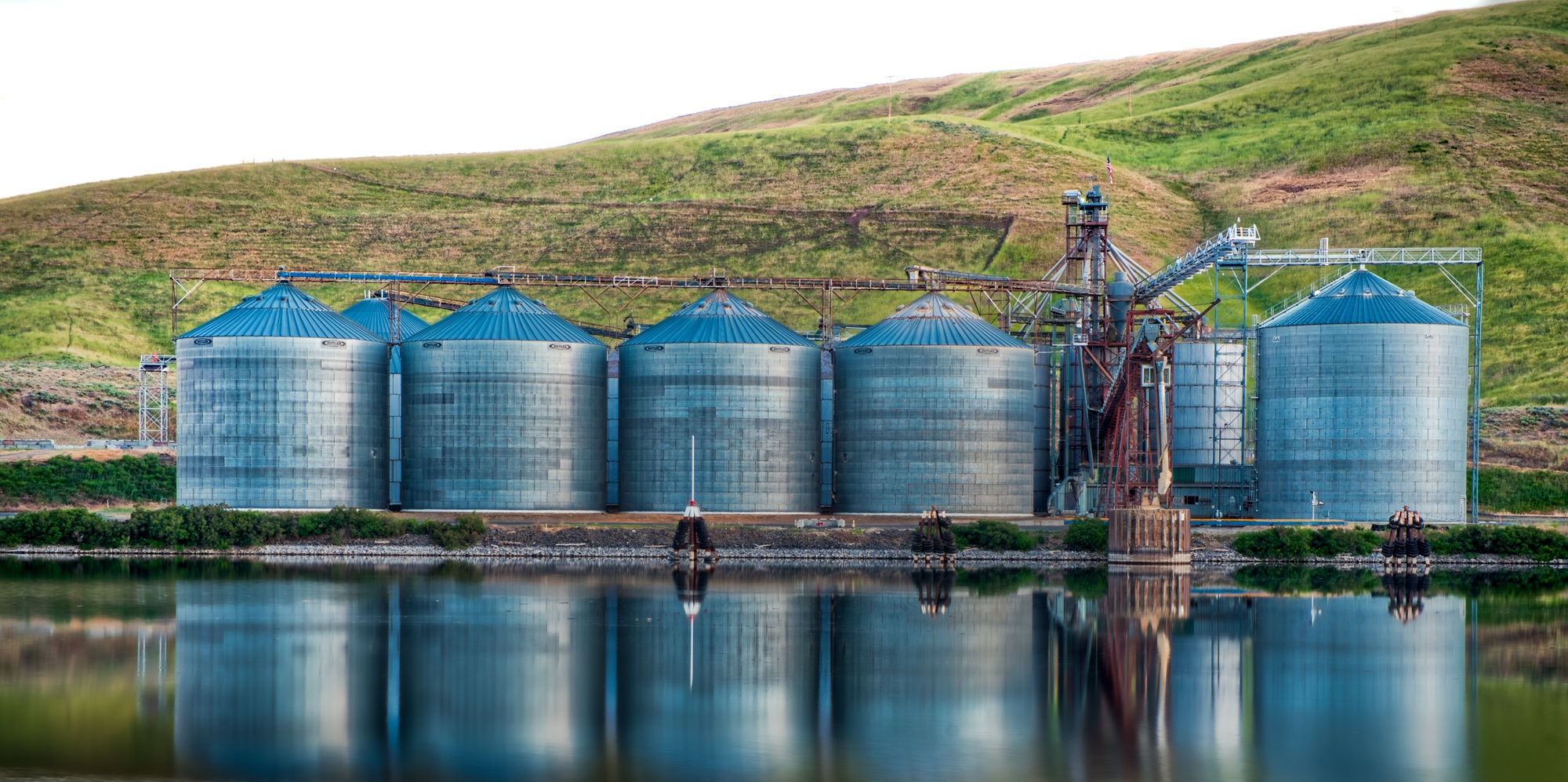
Water shortages are becoming increasingly common across India due to changing rainfall patterns, rapid urbanization, population growth, and climate change. While dams and reservoirs provide essential water storage capacity, efficient reservoir management is equally important to ensure water availability throughout the year.
Through its expertise in water infrastructure and EPC solutions, OmYash Projects supports sustainable water management through integrated infrastructure development and transmission systems.
What Is Reservoir Management?
Reservoir management refers to the planning, operation, and monitoring of stored water resources to maximize their efficiency and availability.
Effective management helps:
- Optimize water storage
- Balance demand and supply
- Reduce drought risks
- Improve flood control
- Ensure long-term water security
As water demand continues to increase, reservoir management has become a crucial component of modern water infrastructure.
Why Reservoir Management Is Important
Water availability varies significantly throughout the year.
India receives most of its rainfall during the monsoon season, making storage and distribution essential for maintaining a continuous water supply.
Proper reservoir management helps:
- Store excess rainfall
- Supply water during dry periods
- Support agricultural activities
- Meet urban and industrial demand
- Improve groundwater recharge
Several major infrastructure projects executed by OmYash Projects demonstrate the importance of integrated water resource management systems.
Supporting Cities During Water Scarcity
Many Indian cities depend heavily on reservoirs for drinking water.
Efficient reservoir management helps:
- Maintain stable water supply
- Prevent emergency shortages
- Improve supply planning
- Meet increasing population demands
As cities continue to expand, reliable storage infrastructure becomes increasingly important.
Reducing the Impact of Droughts
Droughts can severely affect agriculture, industries, and communities.
Reservoirs help minimize drought impacts by:
- Preserving water reserves
- Supporting irrigation systems
- Maintaining essential supplies
- Reducing dependence on groundwater
Combined with modern water transmission and infrastructure services, reservoirs improve regional resilience against water scarcity.
Importance of Real-Time Monitoring
Modern reservoir management increasingly relies on technology.
Advanced systems include:
- SCADA systems
- IoT sensors
- Automated monitoring
- Water level forecasting
- Demand analysis
These technologies help optimize operations and improve decision-making.
As an experienced EPC infrastructure company, OmYash Projects recognizes the importance of combining engineering excellence with smart infrastructure solutions.
Reservoir Management and Flood Control
Reservoirs are not only important during droughts.
They also help:
- Control excessive river flow
- Reduce flooding risks
- Protect downstream communities
- Improve disaster preparedness
Balanced reservoir operations contribute to overall water resource sustainability.
Integration With Pipeline Infrastructure
Stored water must be delivered efficiently to consumers.
This requires:
- Transmission pipelines
- Pumping stations
- Treatment plants
- Distribution networks
Integrated infrastructure systems ensure that stored water reaches households, industries, and agricultural regions efficiently.
Explore the complete range of services offered by OmYash Projects to understand how modern engineering supports water security.
The Future of Reservoir Management
As climate conditions become increasingly unpredictable, reservoir operations are evolving through:
- Digital monitoring
- Smart water management
- Predictive analytics
- Automated systems
- Sustainable infrastructure development
These innovations will play a key role in addressing future water challenges.
Conclusion
Reservoir management is one of the most effective strategies for preventing water shortages and ensuring long-term water security. By optimizing storage, supporting drought resilience, and integrating modern technologies, reservoir systems help communities, industries, and agriculture thrive even during periods of water stress.
For expert guidance on water infrastructure and EPC solutions, contact OmYash Projects to discuss your project requirements.
FAQs
What is reservoir management?
Reservoir management involves monitoring and controlling stored water resources to ensure efficient supply and long-term sustainability.
How do reservoirs help prevent water shortages?
Reservoirs store water during periods of rainfall and release it when demand increases or drought conditions occur.
Why is reservoir management important for cities?
Many cities depend on reservoirs for drinking water, making efficient management essential for reliable supply.
Can technology improve reservoir management?
Yes. Smart monitoring systems, IoT sensors, and predictive analytics help optimize reservoir operations and improve efficiency.
How do reservoirs support agriculture?
Reservoirs provide irrigation water and help farmers maintain productivity during dry seasons.