
STP vs ETP vs WTP: Understanding the Differences
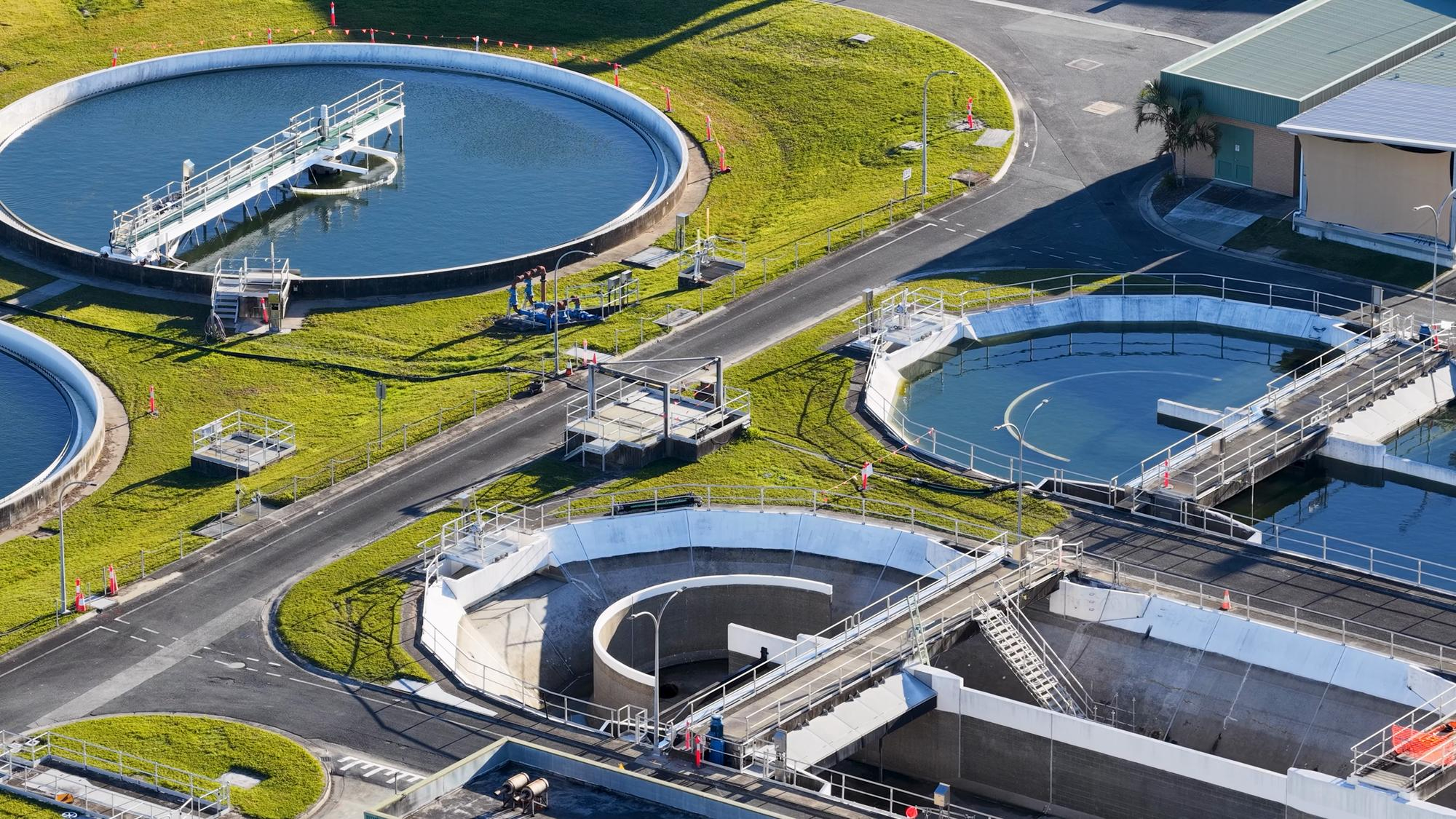
Water treatment plays a crucial role in ensuring sustainable water management and environmental protection. However, many people often confuse STP, ETP, and WTP systems because all three involve water treatment processes.
Although they may seem similar, each system serves a different purpose and is designed for specific applications. Through its comprehensive water infrastructure and EPC solutions, OmYash Projects delivers engineering solutions that support sustainable water management across industrial and municipal sectors.
What Is STP?
STP stands for Sewage Treatment Plant.
It is designed to treat domestic wastewater generated from:
- Residential areas
- Commercial complexes
- Hotels
- Hospitals
- Municipal sewage systems
The objective of an STP is to remove:
- Organic matter
- Suspended solids
- Harmful bacteria
- Pollutants
The treated water can often be reused for landscaping, flushing, and irrigation purposes.
What Is ETP?
ETP stands for Effluent Treatment Plant.
ETPs are used primarily in industries to treat wastewater containing chemicals and contaminants.
Industries that commonly use ETPs include:
- Pharmaceutical plants
- Chemical industries
- Textile industries
- Food processing plants
- Manufacturing facilities
ETPs help remove:
- Toxic chemicals
- Heavy metals
- Oils and grease
- Suspended particles
Industrial wastewater requires specialized treatment processes because it contains more complex contaminants.
What Is WTP?
WTP stands for Water Treatment Plant.
Its primary purpose is to convert raw water into potable water suitable for drinking and domestic use.
Water Treatment Plants are commonly used in:
- Municipal water supply systems
- Industrial water supply projects
- Infrastructure developments
- Rural drinking water schemes
Several infrastructure projects executed by OmYash Projects involve water transmission and treatment systems that ensure reliable water supply.
STP vs ETP vs WTP: Key Differences
ParameterSTPETPWTPFull FormSewage Treatment PlantEffluent Treatment PlantWater Treatment PlantWater SourceDomestic wastewaterIndustrial wastewaterRaw waterPurposeSewage treatmentIndustrial effluent treatmentDrinking water productionEnd UseReuse or dischargeSafe disposal or reusePotable water supplyCommon UsersResidential and municipal sectorsIndustriesMunicipal corporations and industries
Applications of STP
STPs are widely used in:
- Residential townships
- Commercial complexes
- Hospitals
- Educational institutions
- Municipal infrastructure
Applications of ETP
ETPs are commonly installed in:
- Pharmaceutical industries
- Chemical plants
- Textile units
- Food processing industries
- Manufacturing facilities
Applications of WTP
WTPs are essential for:
- Drinking water projects
- Municipal water supply
- Industrial water supply systems
- Large infrastructure developments
As an experienced EPC infrastructure company, OmYash Projects understands the engineering requirements associated with treatment and water infrastructure systems.
Why Are Treatment Plants Important?
Modern treatment systems help:
- Conserve water resources
- Reduce pollution
- Support water reuse
- Protect public health
- Meet environmental regulations
These systems are becoming increasingly important as India focuses on sustainable infrastructure development.
Explore the complete range of services offered by OmYash Projects and learn more about the company's expertise in water infrastructure.
Conclusion
Although STP, ETP, and WTP are all water treatment systems, their objectives and applications differ significantly.
Understanding these differences helps industries, municipalities, and project developers choose the right treatment solution based on their requirements.
For expert guidance on water infrastructure and EPC solutions, contact OmYash Projects to discuss your project requirements.
FAQs
What is the difference between STP and ETP?
STPs treat domestic sewage, while ETPs treat industrial wastewater containing chemicals and contaminants.
What is the purpose of a WTP?
A Water Treatment Plant converts raw water into potable water suitable for drinking and domestic use.
Can treated water from STPs be reused?
Yes. Treated sewage water can often be reused for landscaping, flushing, and irrigation applications.
Which industries require ETPs?
Industries such as pharmaceuticals, chemicals, textiles, food processing, and manufacturing commonly use Effluent Treatment Plants.