
How Interlinking Rivers Could Solve India's Water Distribution Challenges
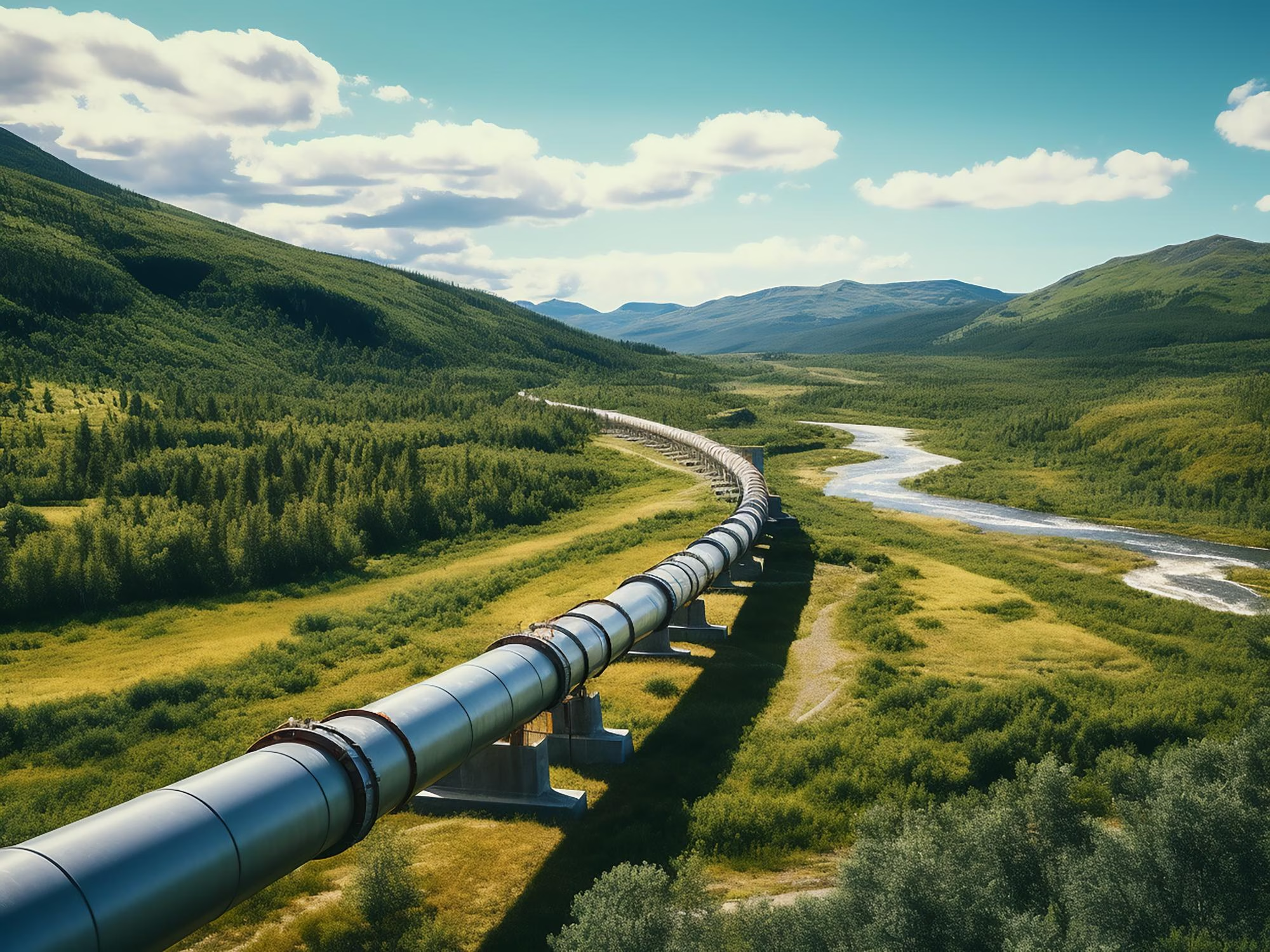
India is home to some of the world's largest river systems, yet millions of people continue to face water shortages every year. While certain regions experience devastating floods during the monsoon, others struggle with severe droughts and declining groundwater levels. This uneven distribution of water has made river interlinking one of the most discussed infrastructure initiatives in the country.
River interlinking aims to transfer surplus water from water-rich river basins to regions facing chronic water scarcity. When combined with modern reservoirs, dams, lift irrigation systems, and transmission infrastructure, interlinking projects have the potential to strengthen India's long-term water security.
Through its expertise in water infrastructure and EPC solutions, OmYash Projects contributes to the development of engineering solutions that improve water management and support sustainable infrastructure across India.
What Is River Interlinking?
River interlinking is the process of connecting rivers through canals, tunnels, pumping stations, reservoirs, and other hydraulic infrastructure to transfer water between river basins.
The primary objective is to make better use of available water resources by balancing regions with excess rainfall and surplus river flows with areas that frequently experience water shortages.
A typical river interlinking project may include:
- Dams and reservoirs
- Barrages
- Water transmission canals
- Pumping stations
- Lift irrigation systems
- Distribution pipelines
- Flood control structures
These components work together to create a more balanced and reliable water distribution network.
Why India Needs Better Water Distribution
India receives significant annual rainfall, but most of it falls during a short monsoon season and is distributed unevenly across different regions.
As a result, the country faces several challenges:
- Seasonal water shortages
- Flooding during heavy rainfall
- Groundwater depletion
- Increasing agricultural demand
- Growing urban water requirements
- Rising industrial consumption
Rather than focusing only on increasing water storage, experts increasingly emphasize improving how water is distributed across the country.
Benefits of River Interlinking Projects
Improving Water Availability
One of the biggest advantages of river interlinking is improving access to water in drought-prone regions.
Stored water can be transferred to areas where rivers and reservoirs receive limited rainfall, helping communities maintain reliable water supplies throughout the year.
Strengthening Agricultural Irrigation
Agriculture consumes nearly 80% of India's freshwater resources.
River interlinking projects can:
- Expand irrigation coverage
- Improve crop productivity
- Reduce dependence on groundwater
- Support multiple cropping seasons
- Increase rural incomes
When integrated with modern lift irrigation systems, water can also reach higher-elevation agricultural areas.
Several major infrastructure projects executed by OmYash Projects demonstrate the importance of efficient water infrastructure in supporting agriculture and regional development.
Reducing Flood Risks
Many rivers experience extremely high flows during the monsoon.
River interlinking can help by:
- Diverting excess water
- Reducing pressure on flood-prone regions
- Improving reservoir management
- Supporting controlled water releases
Although flood prevention requires multiple strategies, better water distribution can become an important part of long-term flood management.
Supporting Urban and Industrial Growth
India's rapidly growing cities require dependable water supplies for households, industries, and public infrastructure.
Interconnected water systems improve:
- Municipal water supply
- Industrial reliability
- Long-term planning
- Infrastructure resilience
Efficient transmission systems become increasingly important as urban populations continue to grow.
Through its comprehensive infrastructure services, OmYash Projects supports projects that strengthen water distribution and improve infrastructure efficiency.
Engineering Challenges of River Interlinking
River interlinking projects are among the most complex infrastructure developments undertaken anywhere in the world.
Successful implementation requires careful planning of:
- Hydraulic engineering
- Canal design
- Pumping stations
- Reservoir operations
- Environmental assessments
- Structural safety
- Long-distance water transmission
Modern EPC companies play a vital role in designing and delivering these integrated infrastructure systems.
As an experienced EPC infrastructure company, OmYash Projects understands the technical expertise required for large-scale water engineering projects.
Technology Is Making River Interlinking Smarter
Today's water infrastructure is increasingly supported by digital technologies.
Modern river interlinking projects can incorporate:
- SCADA monitoring systems
- IoT-enabled sensors
- GIS mapping
- AI-based demand forecasting
- Remote gate operations
- Real-time flow monitoring
These technologies improve operational efficiency while enabling faster responses to changing weather conditions.
Building a More Water-Secure India
As climate change increases the frequency of floods, droughts, and unpredictable rainfall, infrastructure planning must evolve accordingly.
Future-ready water management depends on integrating:
- Reservoirs
- Dams
- Canals
- Water transmission pipelines
- Lift irrigation systems
- Smart monitoring technologies
Together, these systems help create a resilient national water network capable of supporting future generations.
Explore the complete range of services offered by OmYash Projects to learn how modern engineering supports sustainable water infrastructure.
Conclusion
River interlinking has the potential to significantly improve India's water distribution by connecting regions with surplus water to those facing recurring shortages. While these projects require careful planning, environmental assessment, and advanced engineering, they represent an important step toward strengthening national water security.
As India continues investing in resilient infrastructure, integrated solutions that combine reservoirs, dams, canals, pipelines, and smart technologies will become increasingly important.
For expert guidance on water infrastructure development and EPC engineering solutions, contact OmYash Projects to discuss your project requirements.
FAQs
What is river interlinking?
River interlinking is the process of connecting rivers through canals, reservoirs, pumping stations, and other infrastructure to transfer water between different river basins.
How can river interlinking reduce water scarcity?
By transferring surplus water from water-rich regions to drought-prone areas, river interlinking improves water availability for agriculture, industries, and communities.
Does river interlinking help control floods?
River interlinking can support flood management by diverting excess water and improving reservoir operations, although it works best as part of a broader flood management strategy.
What infrastructure is required for river interlinking?
Major components include dams, reservoirs, canals, pumping stations, lift irrigation systems, transmission pipelines, and smart monitoring technologies.
Why are EPC companies important for river interlinking projects?
EPC companies provide engineering, procurement, and construction expertise required to design, build, and maintain complex water infrastructure projects safely and efficiently.