
DI Pipe vs MS Pipe for Water Infrastructure Projects: Which One Should You Choose?
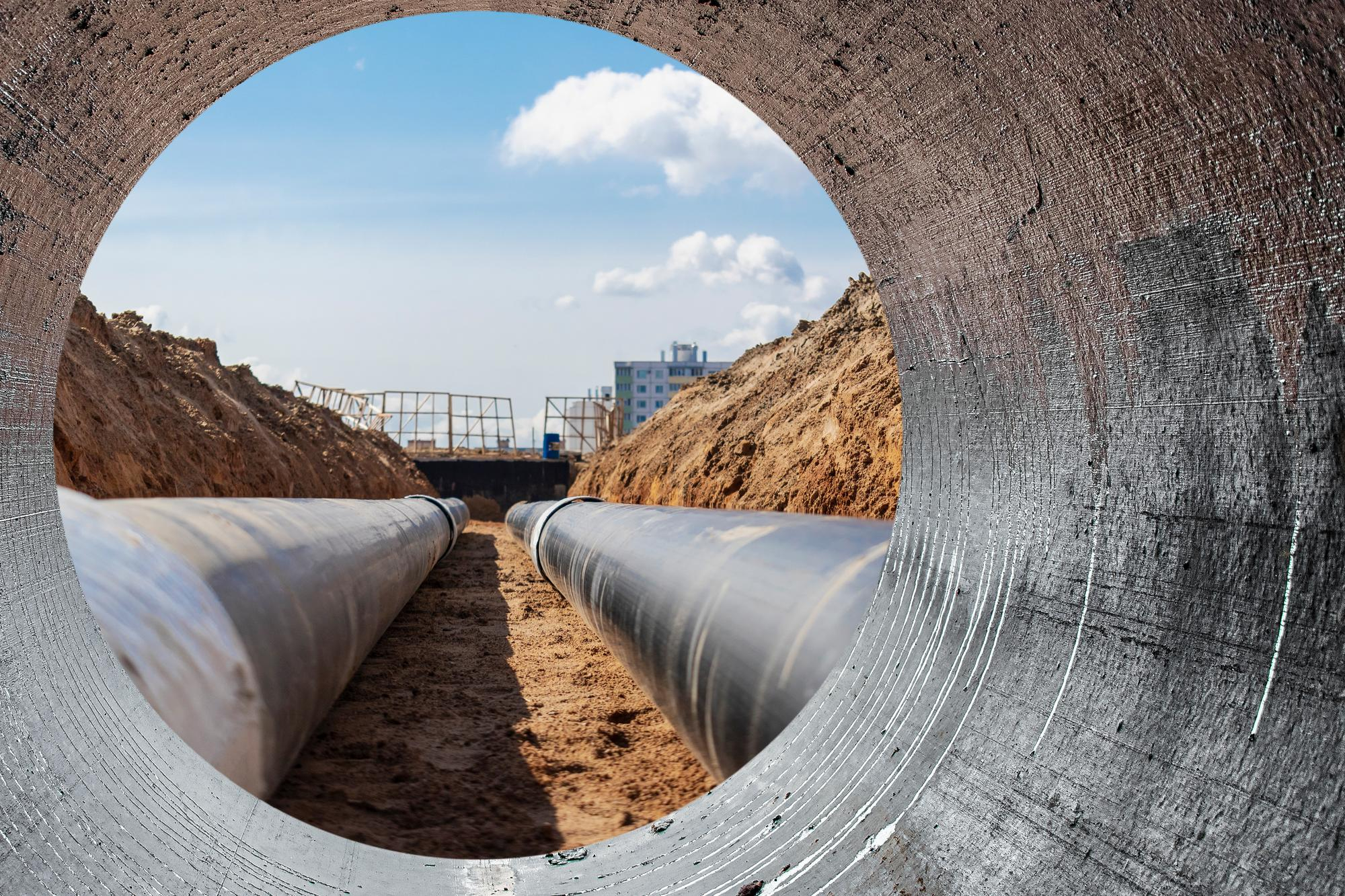
Selecting the right pipeline material is one of the most important decisions in any water infrastructure project. Whether it is a bulk water transmission system, lift irrigation project, municipal water supply network, or industrial water distribution system, the choice of pipe directly impacts project lifespan, maintenance costs, operational efficiency, and long-term reliability.
Among the most widely used materials in modern infrastructure are Ductile Iron (DI) Pipes and Mild Steel (MS) Pipes. While both are designed to transport water efficiently, they differ significantly in terms of strength, corrosion resistance, installation methods, maintenance requirements, and suitability for specific applications.
As a leading EPC infrastructure company, OmYash Projects evaluates project-specific requirements before recommending the most suitable pipeline solution for large-scale water transmission and distribution networks.
What Are DI Pipes?
Ductile Iron Pipes are manufactured using cast iron enhanced with magnesium, which increases flexibility, impact resistance, and overall strength. These pipes are widely used in drinking water distribution systems, municipal water supply networks, irrigation projects, and underground pipeline installations.
Key Advantages of DI Pipes
Excellent Corrosion Resistance
DI pipes are manufactured with internal and external protective coatings that help resist corrosion caused by soil conditions and water quality variations.
Long Service Life
Many DI pipeline systems remain operational for more than 50 years with minimal maintenance, making them a preferred choice for municipal infrastructure.
Reliable Pressure Performance
DI pipes are capable of handling significant operating pressures and are commonly used in water distribution networks.
Lower Maintenance Costs
Due to their durability and corrosion-resistant properties, DI pipes generally require less maintenance over their lifecycle.
What Are MS Pipes?
Mild Steel Pipes are fabricated from steel plates and offer exceptional strength, making them suitable for long-distance water transmission systems and large-diameter pipeline networks.
MS pipes are frequently used in:
- Cross-country pipelines
- Lift irrigation projects
- Raw water transmission mains
- Industrial water supply systems
- High-pressure pumping networks
Many of the water infrastructure projects executed by OmYash Projects involve MS pipelines due to their adaptability and structural strength in demanding operating conditions.
Key Advantages of MS Pipes
Customizable Sizes
MS pipes can be manufactured in large diameters and custom lengths to meet project-specific requirements.
High Structural Strength
Steel offers excellent tensile strength, making MS pipes suitable for challenging terrains and high-pressure applications.
Ideal for Long-Distance Transmission
Large-scale infrastructure projects often utilize MS pipes because of their ability to transport water over extended distances.
Design Flexibility
MS pipes can be engineered to suit varying pressure conditions, elevations, and project complexities.
DI Pipe vs MS Pipe: Detailed Comparison
1. Strength and Structural Performance
Both DI and MS pipes offer excellent structural capabilities.
However, MS pipes generally provide higher tensile strength, making them suitable for long-distance transmission pipelines and lift irrigation projects.
DI pipes, on the other hand, offer excellent compressive strength and perform exceptionally well in underground municipal water distribution systems.
2. Corrosion Resistance
Corrosion resistance is one of the biggest differentiators between DI and MS pipes.
DI pipes are typically supplied with factory-applied protective linings and coatings, offering superior resistance to corrosion.
MS pipes generally require additional protection systems such as:
- Epoxy coatings
- Cement mortar lining
- Polyethylene wrapping
- Cathodic protection systems
3. Installation Requirements
DI pipes are generally easier and faster to install because they utilize standardized push-fit joints.
MS pipes require welding and specialized fabrication techniques during installation, which may increase construction time but offer greater flexibility for customized infrastructure projects.
4. Cost Considerations
The cost-effectiveness of each pipe material depends on factors such as:
- Pipeline diameter
- Transmission distance
- Soil conditions
- Pressure requirements
- Installation complexity
For municipal distribution systems, DI pipes often provide an economical solution.
For large-diameter water transmission systems, MS pipes may offer greater efficiency and performance over the project's lifespan.
5. Maintenance Requirements
DI pipes generally require lower maintenance due to their corrosion-resistant properties.
MS pipelines require periodic inspections and coating maintenance, especially when installed in aggressive environmental conditions.
When Should You Choose DI Pipes?
DI pipes are often the preferred choice when:
- Developing municipal water supply systems
- Building underground distribution networks
- Prioritizing corrosion resistance
- Reducing long-term maintenance costs
- Executing urban infrastructure projects
When Should You Choose MS Pipes?
MS pipes are commonly selected when:
- Constructing cross-country pipelines
- Executing lift irrigation projects
- Developing large-diameter transmission mains
- Managing high-pressure pumping systems
- Requiring custom pipeline configurations
Many modern water infrastructure and EPC projects utilize MS pipes due to their strength and versatility in large-scale applications.
Why Engineering Evaluation Matters
Choosing between DI and MS pipes should never be based solely on initial cost.
Factors such as hydraulic performance, terrain conditions, operating pressure, soil characteristics, maintenance requirements, and lifecycle costs must all be carefully evaluated.
An experienced EPC contractor assesses these variables during the design stage to ensure the selected pipeline material delivers maximum long-term value.
At OmYash Projects, engineering teams conduct detailed evaluations to determine the most effective pipeline solutions for water infrastructure, irrigation, and industrial transmission projects.
Conclusion
Both DI Pipes and MS Pipes play a vital role in modern water infrastructure development.
DI pipes offer exceptional durability, corrosion resistance, and low maintenance, making them ideal for municipal distribution networks. MS pipes provide unmatched strength, customization, and performance for large-scale transmission projects, lift irrigation systems, and cross-country pipelines.
The right choice ultimately depends on project requirements, operating conditions, and long-term performance goals.
If you are planning a water infrastructure project and need expert guidance on pipeline selection, contact the OmYash Projects team to discuss the most suitable solution for your requirements.
FAQs
Which is better, DI pipe or MS pipe?
Both have unique advantages. DI pipes are commonly preferred for municipal water distribution due to corrosion resistance, while MS pipes are widely used for large-diameter transmission and lift irrigation projects.
Are DI pipes more durable than MS pipes?
DI pipes offer excellent durability and corrosion resistance and can remain operational for several decades when properly installed.
Why are MS pipes used in lift irrigation projects?
MS pipes provide high tensile strength and can handle long-distance, high-pressure water transmission systems effectively.
Which pipe is more cost-effective?
The answer depends on project requirements such as diameter, pressure, installation conditions, and lifecycle costs.
What factors should be considered when selecting a pipeline material?
Pressure requirements, terrain conditions, soil characteristics, corrosion potential, maintenance needs, and project lifespan should all be considered before selecting a pipeline material.