
How Dam Infrastructure Helps Solve Water Scarcity in India
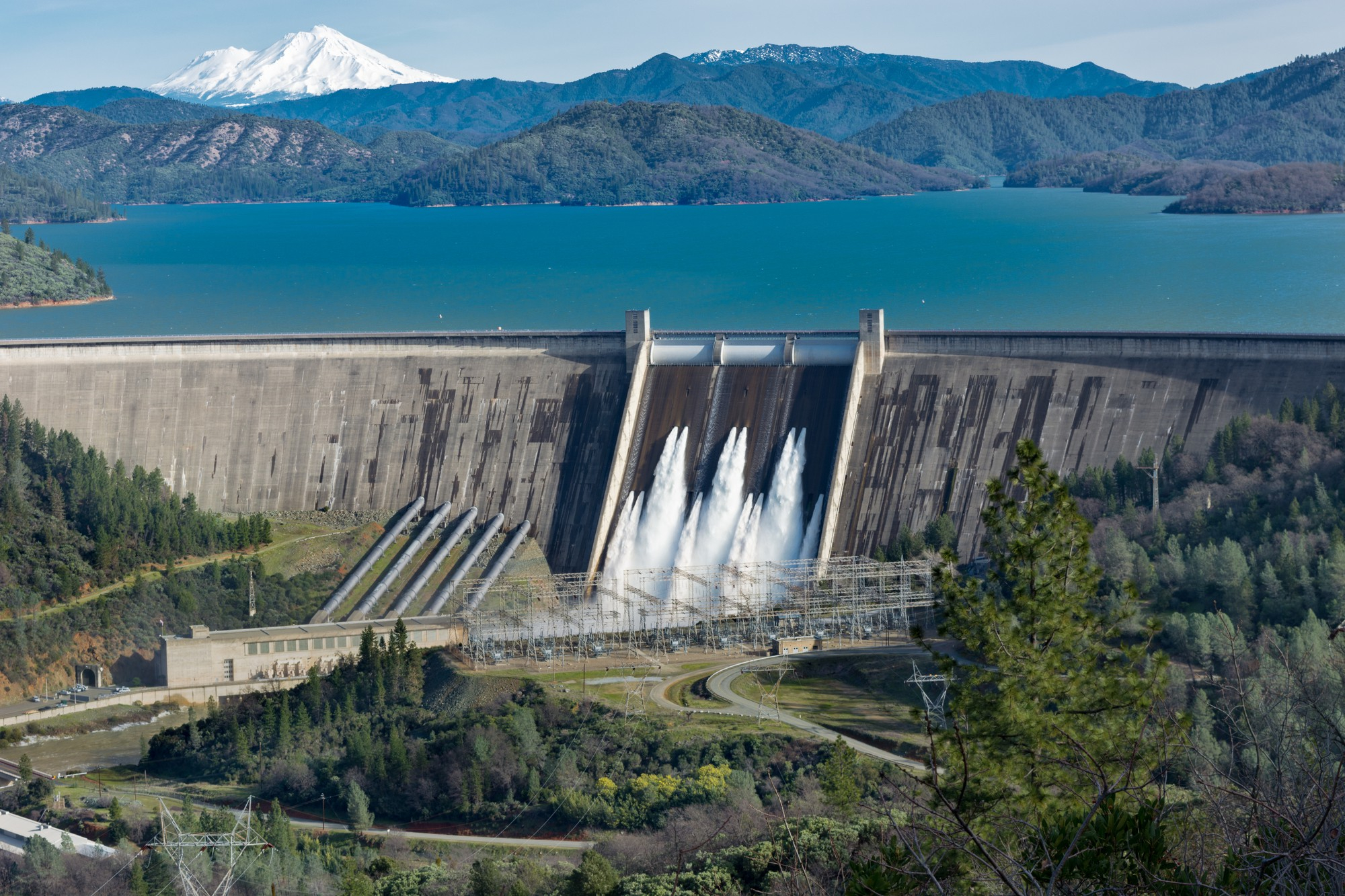
Water scarcity continues to be one of India's most pressing challenges. Rapid urbanization, changing rainfall patterns, increasing population, and climate change have significantly increased pressure on available water resources. To address these challenges, dam infrastructure plays a critical role in ensuring long-term water security and sustainable development.
Through its expertise in water infrastructure and EPC solutions, OmYash Projects contributes to the development of large-scale infrastructure systems that improve water availability and distribution across regions.
Understanding Water Scarcity in India
India receives significant annual rainfall, yet many regions experience severe water shortages during summer months.
Key reasons include:
- Uneven rainfall distribution
- Population growth
- Groundwater depletion
- Climate change
- Inadequate storage infrastructure
- Rising agricultural demand
As cities continue to expand, the need for efficient water storage and transmission systems becomes increasingly important.
What Is Dam Infrastructure?
A dam is an engineered structure built across rivers or water bodies to store and regulate water flow.
Modern dam infrastructure supports:
- Water storage
- Irrigation systems
- Drinking water supply
- Hydropower generation
- Flood control
- Industrial water supply
Many large-scale infrastructure projects executed by OmYash Projects demonstrate the importance of integrated water management systems for sustainable development.
How Dams Help Solve Water Scarcity
1. Water Storage During Monsoon Seasons
India receives most of its rainfall during a few months of the year.
Without proper storage systems, a significant portion of this water flows into rivers and eventually into the sea.
Dams help:
- Capture monsoon runoff
- Store water for future use
- Improve year-round availability
- Reduce dependence on groundwater
2. Supporting Urban Water Supply
Many Indian cities depend on reservoirs created by dams for their drinking water supply.
Dam infrastructure helps:
- Ensure consistent water availability
- Meet growing urban demand
- Improve supply reliability
- Reduce water stress during dry seasons
Modern water transmission and EPC services help transport stored water efficiently to urban centers.
3. Enabling Large-Scale Irrigation
Agriculture consumes a significant share of India's water resources.
Dam-supported irrigation systems help:
- Improve agricultural productivity
- Reduce drought impacts
- Support multiple cropping cycles
- Increase farmer resilience
This is particularly important in regions with irregular rainfall patterns.
4. Groundwater Recharge
Reservoirs created by dams contribute to groundwater replenishment.
Benefits include:
- Improved aquifer levels
- Enhanced water availability
- Reduced groundwater depletion
- Long-term sustainability
5. Flood Management
In addition to addressing water scarcity, dams help regulate river flow during periods of heavy rainfall.
Benefits include:
- Flood control
- Reduced downstream damage
- Improved disaster management
- Better water resource planning
Importance of Reservoir Management
Simply constructing dams is not enough. Effective reservoir management is essential to maximize water availability.
Modern practices include:
- Water level monitoring
- Demand forecasting
- Controlled releases
- Digital monitoring systems
As an experienced EPC infrastructure company, OmYash Projects understands the importance of integrated planning, engineering, and execution in water infrastructure projects.
Dams and Water Transmission Infrastructure
Stored water must be transported efficiently to areas where it is needed.
This requires:
- Transmission pipelines
- Pumping stations
- Treatment facilities
- Distribution networks
Integrated infrastructure ensures that stored water reaches communities, industries, and agricultural regions effectively.
Explore the complete range of services offered by OmYash Projects to learn how modern infrastructure supports sustainable water management.
The Future of Water Security in India
As climate variability increases, dam infrastructure will continue to play a critical role in India's water security strategy.
Future investments are expected in:
- Reservoir expansion
- Smart water management
- Transmission systems
- Lift irrigation projects
- Sustainable infrastructure development
These initiatives will help strengthen resilience against droughts and water shortages.
Conclusion
Dam infrastructure remains one of the most effective solutions for addressing water scarcity in India. By improving water storage, supporting irrigation, enabling urban supply, and enhancing flood control, dams contribute significantly to sustainable water management.
Combined with modern transmission networks and treatment systems, dam infrastructure helps ensure reliable water availability for future generations.
For expert guidance on water infrastructure development and EPC solutions, contact OmYash Projects to discuss your project requirements.
FAQs
How do dams help solve water scarcity?
Dams store water during periods of high rainfall and make it available during dry seasons, improving long-term water security.
Why are dams important for irrigation?
Dams provide a reliable water source for agricultural activities and help farmers maintain productivity during drought conditions.
Can dams help recharge groundwater?
Yes. Reservoirs often contribute to groundwater replenishment and help improve aquifer levels.
How do dams support urban water supply?
Many cities rely on reservoirs created by dams to provide drinking water and meet growing population demands.
What infrastructure is required along with dams?
Transmission pipelines, pumping stations, treatment plants, and distribution systems are necessary to deliver stored water efficiently.