
What Is a Cross Country Pipeline? Design, Construction and Applications
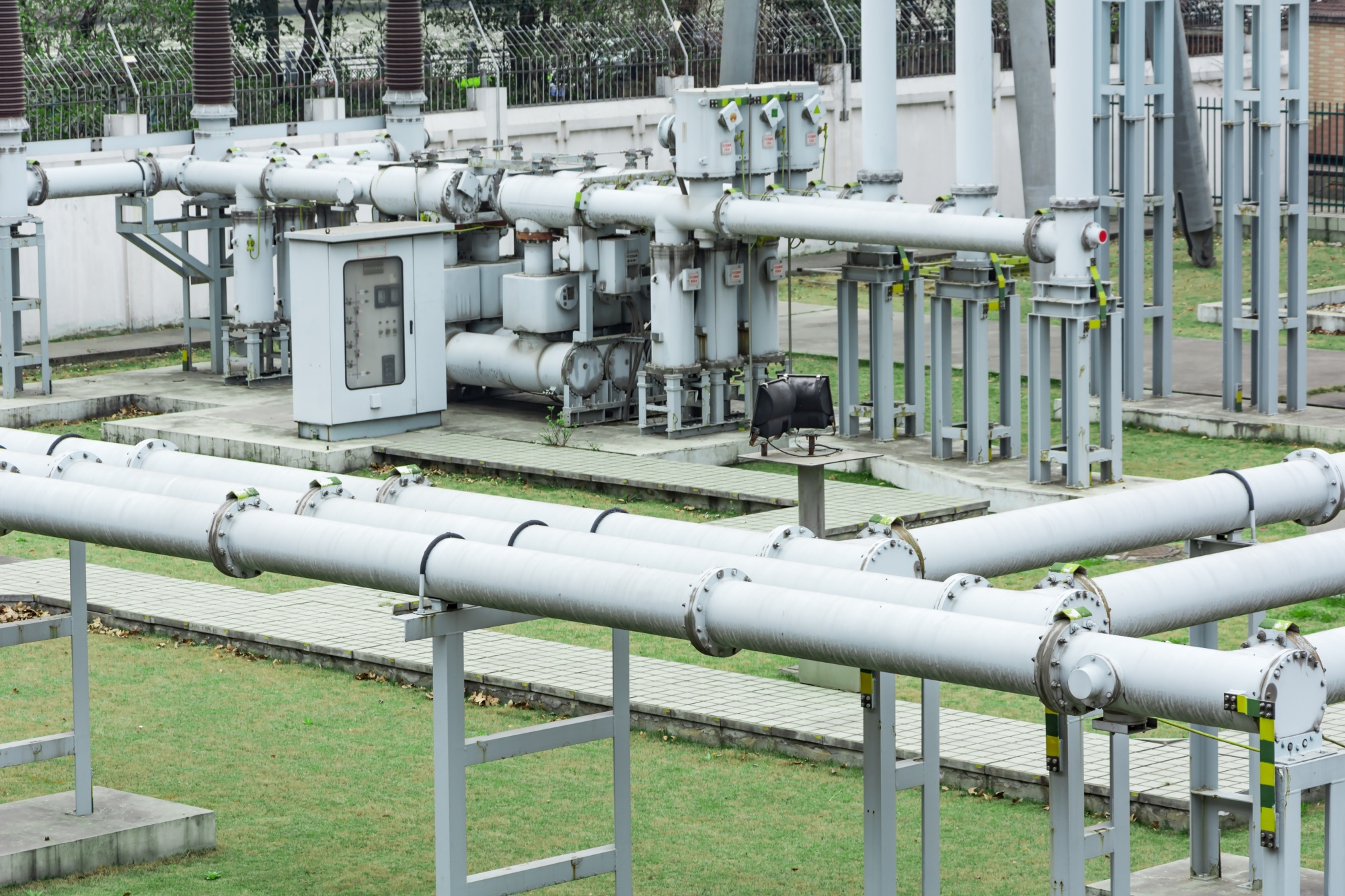
Large-scale infrastructure projects often require the transportation of water, oil, gas, or industrial fluids across long distances. To achieve this efficiently, engineers rely on cross country pipelines—one of the most critical components of modern infrastructure networks.
Cross country pipelines are designed to transport fluids across vast geographical regions, connecting water sources, treatment plants, industrial facilities, pumping stations, and distribution networks.
As part of its expertise in large-scale infrastructure development, OmYash Projects has extensive experience executing pipeline and water transmission projects that demand careful engineering, planning, and execution.
What Is a Cross Country Pipeline?
A cross country pipeline is a pipeline system that transports water, oil, gas, or other fluids over long distances, often crossing multiple terrains, districts, and geographical conditions.
Unlike urban distribution pipelines, cross country pipelines are designed for bulk transportation and typically form the backbone of major infrastructure projects.
They are commonly used in:
- Water transmission projects
- Lift irrigation schemes
- Industrial water supply systems
- Oil and gas transportation
- Municipal water supply infrastructure
Why Are Cross Country Pipelines Important?
Cross country pipelines play a vital role in ensuring reliable transportation of essential resources.
Their importance includes:
- Reducing transportation costs
- Ensuring uninterrupted supply
- Supporting large-scale infrastructure development
- Improving water accessibility
- Enhancing industrial productivity
Many modern water infrastructure projects depend on cross country pipeline networks to deliver water efficiently across long distances.
Key Components of a Cross Country Pipeline
Pipeline Network
The pipeline itself forms the primary transportation channel and is designed according to flow requirements, pressure conditions, and terrain characteristics.
Pumping Stations
Pumping stations provide the energy required to move water or fluids across elevation differences and long transmission routes.
Valves and Control Systems
Control systems help regulate pressure, monitor flow rates, and ensure operational safety.
Storage Facilities
Reservoirs and storage tanks help balance supply and demand while maintaining continuous operations.
Stages of Cross Country Pipeline Construction
Route Survey and Alignment
The first stage involves identifying the most efficient route based on topography, environmental considerations, land availability, and hydraulic requirements.
Detailed route surveys help engineers minimize construction risks and operational challenges.
Engineering Design
The design stage determines:
- Pipe diameter
- Material selection
- Operating pressure
- Flow capacity
- Pumping requirements
This phase is critical for ensuring long-term pipeline performance.
Land Preparation
Before construction begins, the route is cleared and prepared for excavation activities.
Trenching and Pipe Laying
Excavation is carried out along the pipeline alignment, followed by pipe laying and jointing operations.
Welding and Testing
For MS pipelines, welding quality is carefully inspected before pressure testing and commissioning.
Commissioning
Once testing is completed successfully, the pipeline is commissioned for operation.
Several pipeline infrastructure projects require rigorous testing procedures before final commissioning.
Challenges in Cross Country Pipeline Projects
Difficult Terrain
Pipelines often pass through rivers, highways, agricultural land, and varying geological conditions.
Pressure Management
Maintaining consistent pressure over long distances requires advanced engineering and pumping systems.
Corrosion Protection
Long-distance pipelines require effective corrosion control systems to maximize lifespan.
Environmental Compliance
Modern infrastructure projects must comply with environmental regulations and sustainability requirements.
Applications of Cross Country Pipelines
Water Transmission
Transporting water from reservoirs and treatment plants to cities and industrial zones.
Lift Irrigation Projects
Delivering water to higher elevations where gravity flow is not possible.
Industrial Infrastructure
Providing reliable water supply for manufacturing facilities and industrial operations.
Oil and Gas Transportation
Moving hydrocarbons between production, processing, and storage facilities.
Choosing the Right Pipeline Material
Material selection depends on project requirements.
Common options include:
- Mild Steel (MS) Pipes
- Ductile Iron (DI) Pipes
- HDPE Pipes
- RCC Pipelines
Each material offers unique advantages based on operating conditions and project objectives.
Why EPC Expertise Matters
Cross country pipeline projects involve engineering, procurement, construction, testing, and commissioning activities that require specialized expertise.
Working with an experienced EPC contractor ensures:
- Optimized design
- Efficient execution
- Quality assurance
- Regulatory compliance
- Reduced project risk
As a trusted EPC infrastructure company, OmYash Projects delivers integrated solutions for water infrastructure and pipeline projects across diverse sectors.
Conclusion
Cross country pipelines are the backbone of modern infrastructure systems, enabling the efficient transportation of water, oil, gas, and industrial resources across long distances.
From route surveys and engineering design to construction and commissioning, every stage requires technical expertise and meticulous planning.
As demand for large-scale infrastructure continues to grow, cross country pipelines will remain essential for sustainable development, water security, and industrial expansion.
For expert guidance on pipeline infrastructure and transmission projects, connect with OmYash Projects to discuss your requirements.
Quick Answer
A cross country pipeline is a long-distance pipeline system used to transport water, oil, gas, or industrial fluids between locations. These pipelines are commonly used in water transmission projects, lift irrigation schemes, industrial infrastructure, and hydrocarbon transportation networks.