
Pipeline Testing Methods Before Commissioning: A Complete Guide
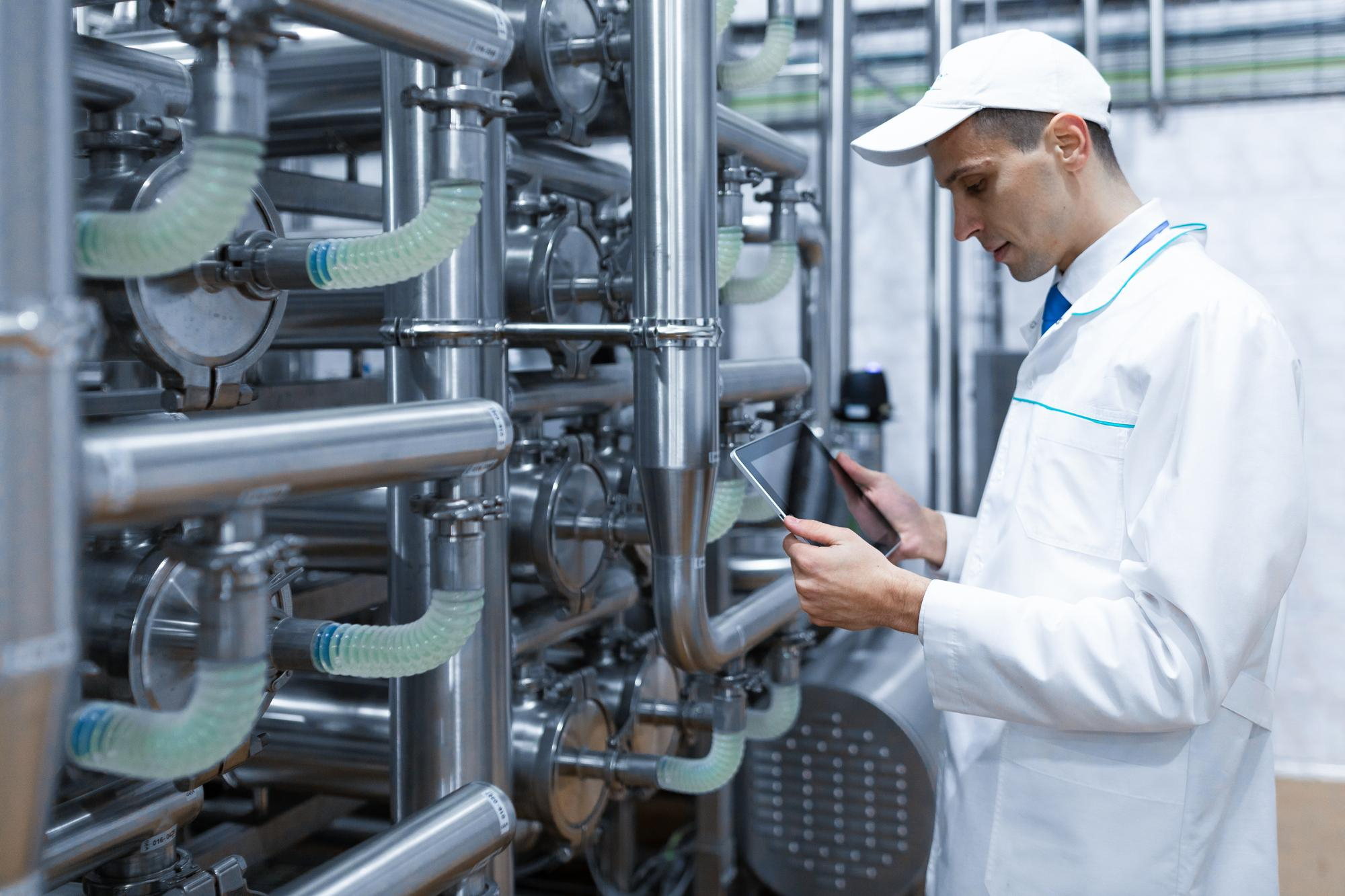
Before a pipeline is put into operation, it must undergo rigorous testing to ensure safety, reliability, and long-term performance. Whether the pipeline is designed for water transmission, lift irrigation, industrial applications, or municipal infrastructure, testing is a critical step in the commissioning process.
Pipeline failures can lead to costly repairs, operational disruptions, environmental damage, and safety risks. Proper testing helps identify defects before the system becomes operational.
As an experienced provider of water infrastructure and EPC solutions, OmYash Projects understands the importance of comprehensive testing procedures that ensure project success and operational reliability.
What Is Pipeline Commissioning?
Pipeline commissioning is the process of preparing a newly constructed pipeline for operation. It involves inspections, testing, cleaning, verification, and final approvals before the pipeline is placed into service.
The commissioning process helps confirm that the pipeline has been installed according to design specifications and can safely withstand operating conditions.
Many large-scale pipeline infrastructure projects include multiple testing stages before final handover.
Why Is Pipeline Testing Important?
Pipeline testing helps:
- Verify structural integrity
- Identify leaks
- Confirm pressure resistance
- Validate welding quality
- Ensure regulatory compliance
- Reduce operational risks
- Increase pipeline lifespan
Testing is not simply a regulatory requirement—it is a critical quality assurance process that protects infrastructure investments.
Common Pipeline Testing Methods
1. Hydrostatic Testing
Hydrostatic testing is the most widely used pipeline testing method.
The pipeline is filled with water and pressurized beyond its normal operating pressure for a specified duration. Engineers then monitor pressure levels to identify leaks, weaknesses, or structural defects.
Hydrostatic testing helps verify:
- Pressure resistance
- Joint integrity
- Weld quality
- Overall structural performance
This method is commonly used in water transmission, irrigation, and industrial pipeline systems.
Advantages of Hydrostatic Testing
- High reliability
- Effective leak detection
- Industry-standard procedure
- Suitable for large-diameter pipelines
2. Pneumatic Testing
Pneumatic testing uses compressed air or gas instead of water.
The pipeline is pressurized using air and monitored for pressure loss or leakage.
Pneumatic testing is generally used when:
- Water is unavailable
- Dry testing is required
- Specific project conditions prevent hydro testing
However, pneumatic testing requires strict safety measures due to the energy stored in compressed gases.
3. Leak Testing
Leak testing focuses on identifying small leaks that may not be visible during visual inspections.
Various techniques can be used, including:
- Pressure monitoring
- Acoustic testing
- Vacuum testing
- Gas detection methods
Leak testing ensures the pipeline maintains system integrity before commissioning.
4. Visual Inspection
Visual inspections are performed throughout the construction and testing process.
Engineers inspect:
- Pipe alignment
- Joint quality
- Weld appearance
- Coating condition
- Surface defects
Visual inspections provide an initial assessment before more advanced testing methods are performed.
5. Weld Inspection and Non-Destructive Testing
For steel pipelines, weld quality is one of the most important factors affecting long-term performance.
Non-destructive testing (NDT) methods may include:
Radiographic Testing (RT)
Uses X-rays to identify internal weld defects.
Ultrasonic Testing (UT)
Uses sound waves to detect discontinuities within welds.
Magnetic Particle Testing (MT)
Identifies surface and near-surface defects in ferromagnetic materials.
Dye Penetrant Testing (PT)
Detects cracks and surface imperfections.
These methods help ensure pipeline welds meet engineering standards.
Pipeline Testing Procedure
Although testing procedures vary by project, a typical process includes:
Step 1: Pre-Test Inspection
Engineers verify installation quality, alignment, supports, and connections.
Step 2: Cleaning and Flushing
The pipeline is cleaned to remove debris and contaminants.
Step 3: Filling the Pipeline
Water or air is introduced depending on the testing method.
Step 4: Pressurization
Pressure is gradually increased according to testing requirements.
Step 5: Monitoring
Pressure levels are monitored for specified durations.
Step 6: Evaluation
Results are analyzed and documented.
Step 7: Commissioning Approval
Successful testing allows the pipeline to move into operational service.
Common Challenges During Pipeline Testing
Pressure Loss
Pressure drops may indicate leaks, faulty joints, or equipment issues.
Air Entrapment
Trapped air can affect hydrostatic testing accuracy.
Weld Defects
Poor welding can lead to failures during testing.
Coating Damage
Damaged protective coatings can increase corrosion risks.
Experienced engineering and EPC specialists identify and address these issues before commissioning.
How EPC Companies Ensure Successful Pipeline Testing
Pipeline testing requires coordination between design teams, construction teams, quality control specialists, and commissioning engineers.
A well-managed EPC approach helps ensure:
- Compliance with project specifications
- Accurate testing procedures
- Proper documentation
- Efficient project delivery
- Reduced operational risks
At OmYash Projects, quality assurance and testing are integrated into every stage of infrastructure development.
Conclusion
Pipeline testing is one of the most critical phases of any infrastructure project. From hydrostatic testing and leak detection to weld inspections and commissioning approvals, each step ensures the pipeline operates safely and efficiently.
Proper testing not only reduces risks but also protects long-term infrastructure investments and improves operational reliability.
For expert support in water transmission systems, lift irrigation networks, and large-scale pipeline infrastructure projects, contact OmYash Projects to discuss your project requirements.
Quick Answer
Pipeline testing before commissioning includes hydrostatic testing, pneumatic testing, leak testing, visual inspections, and weld quality assessments. These procedures verify the pipeline's safety, pressure resistance, and operational reliability before it is placed into service.
FAQs
What is the most common pipeline testing method?
Hydrostatic testing is the most commonly used method because it effectively verifies pressure resistance and leak tightness.
Why is pipeline testing performed before commissioning?
Pipeline testing confirms the system can safely withstand operating conditions and helps identify defects before operation begins.
What is hydrostatic testing?
Hydrostatic testing involves filling a pipeline with water and pressurizing it above normal operating levels to verify integrity and identify leaks.
What is the difference between hydrostatic and pneumatic testing?
Hydrostatic testing uses water, while pneumatic testing uses compressed air or gas to evaluate pipeline integrity.
What happens if a pipeline fails testing?
The defect is identified and repaired before retesting is conducted to ensure compliance with project requirements.