
Lift Irrigation Systems in Gujarat: Pumping Stations, Pipelines and Project Design
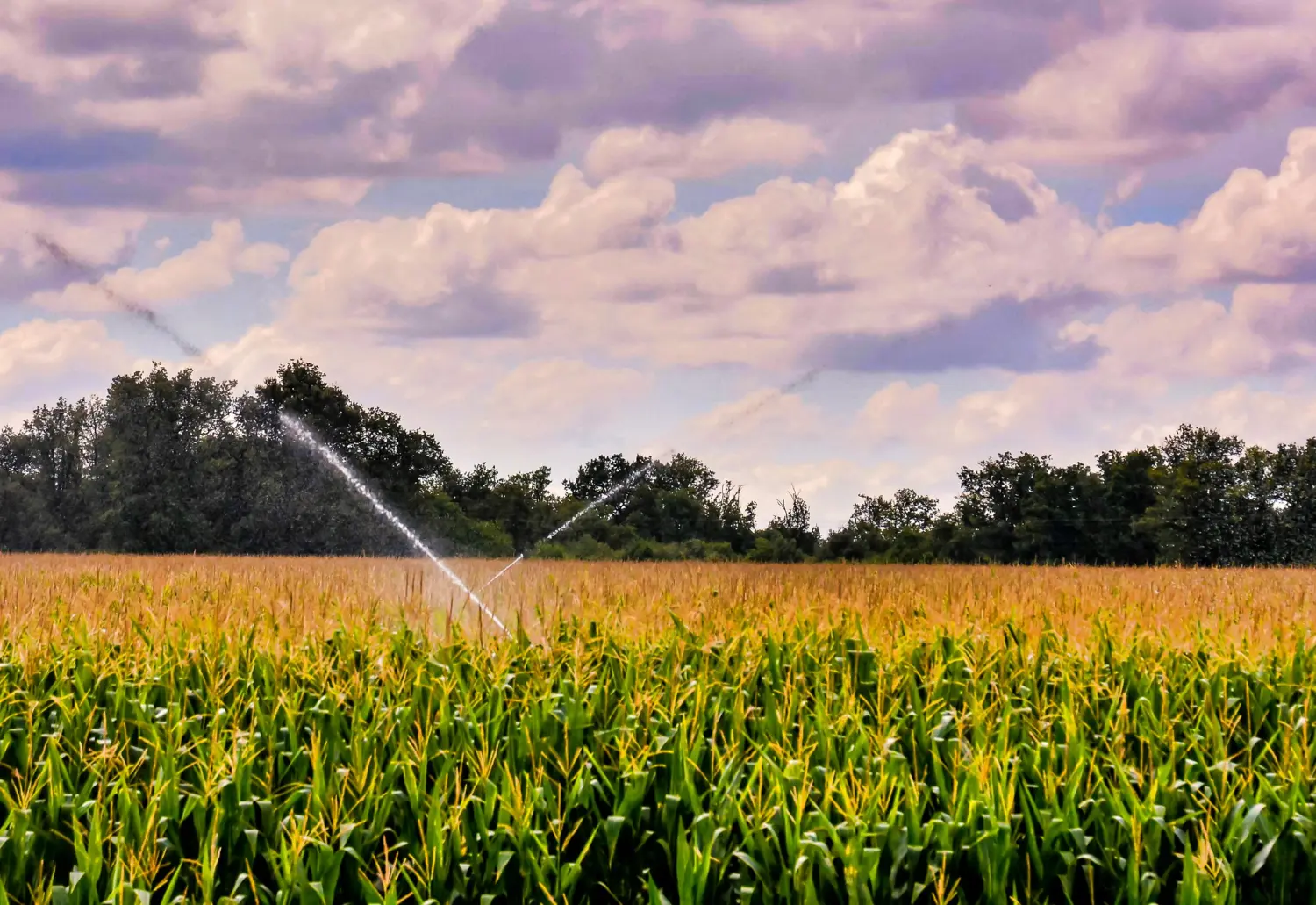
Gujarat's irrigation infrastructure has to serve regions with very different terrain, water availability and agricultural requirements.
In many areas, simply extending a conventional gravity-based canal is not enough.
Water may need to be lifted from a reservoir, river, canal or other source and transported through a pressurised pipeline system to a higher elevation.
This is where lift irrigation systems become important.
A typical lift irrigation project combines a water intake, pumping station, rising main, pipeline network, storage structures, electrical systems, valves, instrumentation and distribution infrastructure.
The engineering challenge is not simply to pump water.
The system must be designed to deliver the required quantity of water at the required pressure and elevation while maintaining reliable operation and manageable energy consumption.
For Gujarat, this is particularly relevant in areas where terrain and elevation differences make conventional gravity irrigation difficult.
OmYash Projects provides lift irrigation and pumping infrastructure solutions, including pumping machinery, pipeline infrastructure and associated civil, mechanical and electrical works.
What Is a Lift Irrigation System?
A lift irrigation system is an irrigation arrangement in which water is mechanically lifted from a lower elevation to a higher elevation before being transported to agricultural land, reservoirs, tanks or distribution networks.
Unlike gravity irrigation, which primarily depends on natural elevation differences, lift irrigation uses pumps to overcome elevation.
A simplified system looks like:
Water Source → Intake → Pumping Station → Rising Main → Distribution Pipeline → Storage/Reservoir → Irrigation Area
Each component has an engineering function.
If the pump is incorrectly selected, the system may not deliver the required flow.
If the pipeline is incorrectly sized, pressure losses may become excessive.
If the hydraulic profile is not properly analysed, the system may consume more energy than necessary.
This is why lift irrigation requires integrated engineering.
Why Lift Irrigation Is Important in Gujarat
Gujarat has significant agricultural areas where water availability and terrain do not always align with irrigation requirements.
The state's own development material identifies lift irrigation as particularly relevant in tribal areas with undulating topography. One Gujarat government document reports more than 900 lift-irrigation systems covering approximately 40,000 hectares in tribal areas.
Large projects can therefore use pumping infrastructure to move water from existing sources to areas that cannot be served efficiently through gravity alone.
The concept is also relevant to Gujarat's broader canal and reservoir network.
The state's Narmada canal system includes major pumping infrastructure, including pumping stations associated with the Saurashtra Branch Canal. The Gujarat government describes five pumping stations with lifts ranging from approximately 10.86 metres to 17.03 metres, with the first station having a stated pumping capacity of 300 cubic metres per second.
How Does a Lift Irrigation Project Work?
A lift irrigation project typically begins with identifying the available water source and the area that needs irrigation.
Engineers then determine:
- Required discharge
- Elevation difference
- Pipeline length
- Static head
- Friction losses
- Pumping requirements
- Storage requirements
- Distribution arrangement
The system is then designed around these parameters.
The basic process is:
1. Water Intake
Water is withdrawn from a suitable source such as:
- Reservoir
- River
- Canal
- Dam
- Storage structure
The intake needs to provide reliable access to water while protecting the pumping system from excessive debris and sediment where applicable.
2. Pumping Station
Pumps provide the energy needed to move water to the required elevation.
A pumping station can include:
- Pumps
- Motors
- Valves
- Electrical panels
- Control systems
- Instrumentation
- Protection systems
3. Rising Main
The rising main carries pressurised water from the pumping station towards the higher-elevation destination.
Pipeline diameter, material, pressure class and alignment all need to be selected according to project requirements.
4. Distribution Network
After reaching the required elevation, water can be distributed to:
- Reservoirs
- Tanks
- Check dams
- Canals
- Irrigation networks
- Agricultural areas
The distribution arrangement depends on the project objective.
Pump Selection Is One of the Most Important Decisions
The pump is effectively the energy source of a lift irrigation system.
Selecting a pump requires understanding both the required flow and the head against which the pump must operate.
Important parameters include:
- Required discharge
- Total dynamic head
- Pump efficiency
- Operating point
- Motor capacity
- Number of pumps
- Duty and standby arrangement
A pump that is too small may fail to meet the required flow.
A pump that is significantly oversized can consume unnecessary energy.
The objective is to select equipment that operates efficiently under the project's expected conditions.
What Is Total Head in a Lift Irrigation System?
Total head represents the overall energy requirement for moving water through the system.
It can include:
Static Head + Friction Losses + Other System Losses
Static head relates primarily to the elevation difference between the source and destination.
Friction losses occur as water moves through the pipeline and fittings.
Other losses can arise from:
- Valves
- Bends
- Tees
- Entry structures
- Exit structures
- Other hydraulic components
Accurately calculating these losses is essential for pump selection.
Why Pipeline Design Matters
The pipeline is the connection between the pumping station and the irrigation destination.
Its design affects both capital cost and operating efficiency.
Engineers need to evaluate:
- Diameter
- Length
- Material
- Pressure
- Flow velocity
- Elevation profile
- Friction losses
- Surge conditions
A larger pipeline may have a higher initial cost but lower friction losses.
A smaller pipeline may reduce initial material costs but increase pumping energy.
The optimum design therefore requires lifecycle thinking rather than simply selecting the lowest construction cost.
Which Pipeline Materials Are Used?
Different projects can use different pipeline materials depending on their hydraulic and construction requirements.
Common options include:
Mild Steel
MS pipelines can be suitable for large-diameter and higher-pressure applications when appropriately designed.
Ductile Iron
DI pipelines can provide strength and durability for water transmission and irrigation applications.
HDPE
HDPE can be advantageous in applications requiring flexibility and corrosion resistance.
The right material depends on:
- Pressure
- Diameter
- Terrain
- Soil conditions
- Installation method
- Project life
- Cost
- Maintenance requirements
There is no universal material that is best for every lift irrigation project.
Rising Main Design in Lift Irrigation
The rising main is particularly important because it carries water under pressure.
Unlike a gravity pipeline, it must be designed for the pressure generated by the pumping system.
Engineers need to evaluate:
- Maximum operating pressure
- Minimum pressure
- Static head
- Pump discharge
- Pipe wall thickness
- Valve locations
- Air-release requirements
- Surge conditions
Poorly designed rising mains can create operational and maintenance problems.
This is why hydraulic modelling and detailed engineering should be completed before construction.
What Is Water Hammer in Lift Irrigation?
Water hammer refers to a pressure surge caused by a rapid change in water velocity.
It can occur when:
- A pump suddenly stops
- A valve closes rapidly
- Power supply is interrupted
- Flow changes abruptly
Lift irrigation systems can be particularly sensitive because they combine pumps with long pressurised pipelines.
A properly engineered system may therefore require measures such as:
- Surge vessels
- Air valves
- Pressure-relief arrangements
- Controlled valve closure
- Pump control systems
The appropriate solution depends on the hydraulic characteristics of the individual project.
Why Pumping Station Design Requires More Than Pumps
A pumping station is an integrated infrastructure facility.
It may require:
- Civil foundations
- Pumping equipment
- Motors
- Electrical systems
- Valves
- Pipework
- Instrumentation
- Control systems
- Access infrastructure
- Drainage
- Safety systems
The civil structure must support the mechanical equipment.
The electrical system must supply the motors.
Instrumentation needs to monitor operating conditions.
Control systems need to coordinate the equipment.
This makes multidisciplinary engineering important.
OmYash's infrastructure and EPC services cover multiple civil, mechanical and electrical requirements associated with large infrastructure projects.
Electrical Systems in Lift Irrigation Projects
Large pumps require substantial electrical power.
An irrigation pumping station may therefore require:
- Transformers
- Switchgear
- Motor control systems
- Cables
- Protection systems
- Earthing
- Control panels
- Backup arrangements where required
Electrical design must be coordinated with pump selection.
The number and capacity of pumps directly affect electrical loads.
This is another reason why mechanical and electrical engineering cannot be separated during project planning.
SCADA and Automation in Modern Lift Irrigation
Modern irrigation systems can increasingly incorporate automation and digital monitoring.
SCADA systems can help operators monitor:
- Pump status
- Flow
- Pressure
- Reservoir levels
- Valve positions
- Electrical parameters
- Alarms
This becomes particularly useful when a project includes multiple pumping stations, reservoirs and distribution points.
The Ministry of Jal Shakti has also highlighted the use of technologies such as underground pipelines, micro-irrigation and SCADA-based monitoring under PMKSY-AIBP for irrigation modernisation.
For large systems, digital monitoring can provide operators with a better understanding of system performance and operating conditions.
Storage Structures Are an Important Part of the System
Lift irrigation does not always deliver water directly from the pump to the farm.
In many projects, water may first be lifted into:
- Balancing reservoirs
- Village tanks
- Check dams
- Storage ponds
- Existing reservoirs
Storage provides flexibility between pumping and irrigation demand.
It can also help manage fluctuations in water supply and distribution.
Gujarat's documented lift-irrigation projects demonstrate this approach.
For example, government project information describes lift schemes designed to fill tanks and check dams while extending irrigation coverage across multiple villages.
Gujarat's Lift Irrigation Projects Can Cover Large Areas
The scale of a lift irrigation system can vary significantly.
Some systems may serve a relatively small agricultural area.
Others can involve:
- Multiple pumping stations
- Long pipelines
- Several reservoirs
- Dozens of villages
- Large command areas
Government documentation on Gujarat projects includes examples such as the Karjan–Vadi project, which was planned around a 300-cusec lift and approximately 58 km of MS pipeline, with an intended irrigation coverage of about 7,500 hectares across 103 villages.
Another documented Tapi–Karjan link lift irrigation scheme was planned to provide irrigation benefits across 73 villages and approximately 21,760 hectares.
These examples show why lift irrigation should be treated as major infrastructure rather than simply a pumping installation.
Construction Challenges in Gujarat Lift Irrigation Projects
Large projects can face several practical challenges.
Terrain
Undulating terrain can create significant elevation differences.
Pipeline Crossings
Pipelines may need to cross:
- Roads
- Railways
- Rivers
- Canals
- Existing utilities
Land Access
Long pipeline corridors require coordinated access and construction planning.
Monsoon Conditions
Heavy rainfall can affect excavation, access and construction schedules.
Existing Infrastructure
New systems may need to connect with existing canals, reservoirs, pipelines and pumping stations.
Power Availability
Reliable electrical infrastructure is essential for large pumping systems.
These challenges need to be addressed during planning rather than after construction begins.
Why Surveying Is Critical Before Construction
A lift irrigation project can cover kilometres of pipeline corridor.
Small errors in elevation or alignment can have significant consequences.
Survey work can establish:
- Ground levels
- Pipeline alignment
- Crossing locations
- Existing infrastructure
- Land boundaries
- Hydraulic profile
This information supports detailed design and helps reduce construction changes.
Testing and Commissioning
A lift irrigation project is not complete when the pipeline has been installed.
The system needs to be tested as an integrated facility.
Testing can include:
- Pipeline pressure testing
- Pump testing
- Valve testing
- Electrical testing
- Instrumentation checks
- Control-system verification
Commissioning then verifies that water can be moved through the complete system according to the project requirements.
Operation and Maintenance After Commissioning
Long-term performance depends heavily on O&M.
Important activities include:
- Pump maintenance
- Motor inspection
- Valve maintenance
- Pipeline inspection
- Pressure monitoring
- Electrical maintenance
- Instrument calibration
- SCADA monitoring
A project designed without considering O&M can become expensive to operate.
This is why lifecycle cost should be considered during engineering.
Why Energy Efficiency Matters in Lift Irrigation
Pumping requires energy.
For a large irrigation system operating for many hours, even a small difference in pump efficiency can have a substantial impact on operating costs.
Energy efficiency can be influenced by:
- Pump selection
- Pipeline diameter
- Hydraulic losses
- Motor efficiency
- Operating schedule
- Control systems
- Maintenance
The objective should therefore be to optimise the complete system rather than focusing only on the pump.
Choosing a Lift Irrigation EPC Partner in Gujarat
A successful lift irrigation project requires more than pipeline-laying capability.
Project owners should evaluate whether the EPC partner can handle:
- Hydraulic engineering
- Pumping systems
- Pipeline construction
- Civil works
- Mechanical installation
- Electrical systems
- Instrumentation
- SCADA
- Testing
- Commissioning
- O&M
An integrated contractor can help coordinate these interfaces throughout the project.
OmYash provides lift irrigation infrastructure solutions and has executed multiple irrigation and pipeline projects in Gujarat.
OmYash's Lift Irrigation Experience in Gujarat
OmYash's project portfolio includes multiple Gujarat lift irrigation and water transmission projects.
Its portfolio includes projects involving:
- MS pipelines
- DI-K9 pipelines
- Pumping infrastructure
- Water transmission
- Reservoir and tank filling
- Long-distance pipeline systems
The company's project portfolio provides examples of its execution across Gujarat's water infrastructure environment.
This experience is important because lift irrigation projects differ significantly based on elevation, discharge, pipeline length, source and destination.
The Future of Lift Irrigation in Gujarat
Gujarat's irrigation infrastructure is increasingly moving towards integrated systems combining:
- Reservoirs
- Canals
- Lift irrigation
- Pressurised pipelines
- Pumping stations
- Automation
- SCADA
- Water storage
- Efficient distribution
The broader national irrigation modernisation agenda is also promoting technologies such as underground pipelines and SCADA-based monitoring.
The future therefore isn't simply about pumping more water.
It is about delivering water more efficiently, reliably and predictably.
Conclusion
Lift irrigation is an important engineering solution for areas where water must be transported against elevation or where conventional gravity irrigation cannot provide adequate coverage.
A successful system requires coordinated engineering across:
- Water intake
- Pumping stations
- Rising mains
- Pipelines
- Storage
- Hydraulic structures
- Electrical systems
- Instrumentation
- SCADA
- Testing
- Commissioning
- O&M
Gujarat's own irrigation programmes demonstrate the scale at which lift irrigation and pipeline systems can be deployed, particularly in areas with challenging terrain and uneven access to irrigation water.
For organisations planning lift irrigation, pumping station or large-scale irrigation pipeline projects in Gujarat, explore OmYash Projects' infrastructure services, review its completed project portfolio, learn more about OmYash Projects, or contact the OmYash team.
FAQs
What is a lift irrigation system?
A lift irrigation system uses pumps to move water from a lower elevation to a higher elevation before distributing it to agricultural areas, reservoirs, tanks or irrigation networks.
What are the main components of a lift irrigation project?
A typical system includes a water intake, pumping station, pumps and motors, rising main, pipeline network, valves, storage structures, electrical systems, instrumentation and control systems.
Why is lift irrigation important in Gujarat?
Lift irrigation is particularly useful in areas where elevation differences or terrain make conventional gravity-based irrigation difficult. Gujarat government material identifies it as an important approach in several undulating and tribal regions.
How are pumps selected for lift irrigation?
Pump selection depends on required discharge, total dynamic head, elevation difference, friction losses, operating conditions and efficiency requirements.
What is the role of a rising main?
The rising main transports pressurised water from the pumping station towards the higher-elevation destination. It must be designed for the expected flow, pressure and hydraulic conditions.
What is water hammer in lift irrigation?
Water hammer is a pressure surge caused by rapid changes in water velocity, such as sudden pump stoppage or rapid valve closure. It needs to be considered during hydraulic and pipeline design.
Can SCADA be used in lift irrigation projects?
Yes. SCADA can monitor and control parameters such as pump status, pressure, flow, reservoir levels and valve positions. Government irrigation modernisation programmes have also promoted SCADA-based monitoring.