
Industrial Infrastructure Projects: How Civil, Mechanical, Electrical and SCADA Systems Work Together
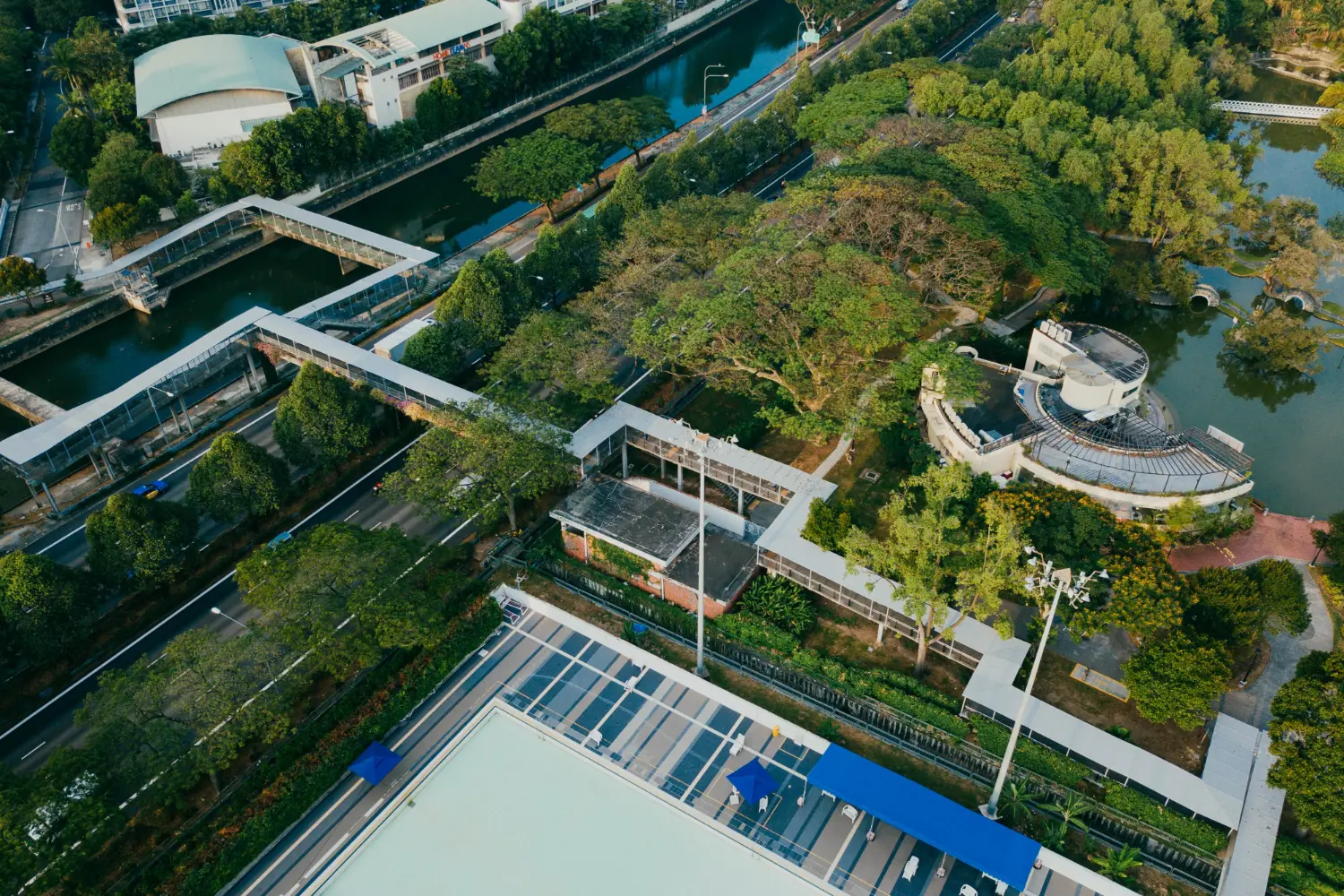
Modern industrial facilities are no longer built around civil construction alone.
A successful industrial infrastructure project may require civil works, mechanical systems, electrical installations, instrumentation, automation, pipelines, safety systems, testing and commissioning to operate as one integrated system.
This becomes particularly important in sectors such as oil and gas, energy, manufacturing, industrial utilities, water treatment and large-scale infrastructure.
A pipeline cannot operate independently of its valves and pumping systems. A fuel facility cannot function reliably without electrical systems, instrumentation and safety controls. A water treatment plant requires civil structures, mechanical equipment, electrical systems and automation to work together.
This is why integrated industrial infrastructure execution has become increasingly important.
OmYash Projects works across multiple infrastructure segments, including water infrastructure, cross-country pipelines, treatment systems and hydrocarbon projects, bringing together engineering and execution requirements across complex infrastructure environments.
What Is an Industrial Infrastructure Project?
An industrial infrastructure project involves the development, expansion, modernization or installation of physical systems required to support industrial operations.
Depending on the facility and sector, this can include:
- Process and utility infrastructure
- Pipelines
- Pumping systems
- Storage systems
- Civil structures
- Electrical networks
- Mechanical installations
- Instrumentation
- Automation and SCADA
- Safety systems
- Testing and commissioning
Industrial infrastructure is therefore broader than the construction of a building.
It involves creating the systems that allow an industrial facility to operate safely, efficiently and reliably.
Why Industrial Infrastructure Requires Multiple Engineering Disciplines
Large infrastructure projects typically involve several engineering disciplines.
Civil engineers may be responsible for foundations, structures, roads, drainage and equipment bases.
Mechanical engineers may handle pumps, pipelines, valves, tanks and mechanical equipment.
Electrical engineers design power distribution and electrical systems.
Instrumentation engineers work with sensors, measurement systems and control equipment.
Automation specialists integrate these systems through platforms such as SCADA.
The challenge is that these disciplines are interconnected.
A change in equipment dimensions can affect the civil foundation.
A change in pipeline routing can affect structural works.
A change in electrical requirements can affect equipment selection.
A change in instrumentation can affect control systems.
This is why coordination must begin during engineering rather than after construction starts.
Civil Infrastructure: The Foundation of the Project
Civil infrastructure creates the physical environment in which industrial systems operate.
Depending on the project, civil works can include:
- Equipment foundations
- Buildings
- Roads
- Drainage
- Pipe supports
- Trenches
- Storage structures
- Pumping-station structures
- Control rooms
- Utility areas
Civil design must consider the loads, operating conditions and maintenance requirements of the equipment that will eventually be installed.
For example, a large pump requires an appropriately designed foundation.
A pipeline corridor requires suitable supports and crossings.
Electrical equipment requires appropriate buildings, foundations and access.
This makes coordination between civil and mechanical engineering essential.
Mechanical Systems in Industrial Infrastructure
Mechanical systems are responsible for moving, controlling, storing or processing materials and fluids.
Depending on the project, mechanical infrastructure may include:
- Pumps
- Valves
- Pipelines
- Storage tanks
- Pressure equipment
- Mechanical handling systems
- Process equipment
Pipeline infrastructure is particularly important in industries where liquids or gases must be transported over short or long distances.
OmYash's cross-country pipeline capabilities include the design and construction of pipelines for water, oil and gas, along with maintenance and monitoring requirements.
The company's project portfolio also includes an approximately 85-kilometre, 18-inch pipeline project involving civil construction, mechanical installation, testing and commissioning.
Electrical Infrastructure Keeps Industrial Systems Running
Mechanical equipment cannot operate without reliable electrical infrastructure.
Industrial projects may require:
- Power distribution
- Electrical panels
- Motor control systems
- Transformers
- Cabling
- Backup power
- Earthing systems
- Lighting
- Protection systems
Electrical engineering therefore needs to be integrated with mechanical equipment from the design stage.
For example, pump selection affects motor requirements.
Motor requirements affect electrical loads.
Electrical loads influence distribution equipment.
These decisions are interconnected.
A coordinated engineering approach can identify these dependencies before construction begins.
Instrumentation: Turning Equipment Into Measurable Systems
Instrumentation allows operators to understand what is happening inside an industrial system.
Sensors and instruments can measure parameters such as:
- Pressure
- Flow
- Temperature
- Level
- Vibration
- Equipment status
Without instrumentation, operators have limited visibility into system performance.
For example, a pipeline may be transporting fluid successfully, but without flow and pressure measurements, it becomes much harder to identify abnormal operating conditions.
Instrumentation therefore provides the information required for monitoring, control and maintenance.
What Is SCADA in Industrial Infrastructure?
SCADA stands for Supervisory Control and Data Acquisition.
It is a system used to monitor and control infrastructure and industrial processes.
A SCADA system can collect information from field devices and present it to operators through a centralized interface.
Depending on the application, operators may monitor:
- Pump status
- Flow rates
- Pipeline pressure
- Tank levels
- Valve positions
- Equipment alarms
- Electrical parameters
SCADA can also support remote control and automated operating procedures where the system has been appropriately designed.
This makes it particularly valuable for infrastructure spread across large geographical areas.
Why SCADA Matters for Large Infrastructure Projects
Consider a cross-country pipeline.
The pipeline may extend across tens or hundreds of kilometres.
Manually inspecting every part of the system continuously would be difficult.
Digital monitoring can provide information about operating conditions from multiple locations.
Similarly, a water transmission system may contain several pumping stations, reservoirs and control points.
SCADA can help operators monitor these interconnected assets from a centralized control environment.
This makes digital infrastructure an important complement to physical infrastructure.
How Civil, Mechanical, Electrical and SCADA Systems Work Together
The most important point about industrial infrastructure is that these systems cannot be designed in isolation.
Consider a pumping station.
The civil team designs the building and equipment foundation.
The mechanical team selects and installs the pumps and associated piping.
The electrical team supplies power to the motors and control equipment.
The instrumentation team installs sensors.
The SCADA system receives information from those sensors and allows operators to monitor the equipment.
Every discipline contributes to the same operating system.
If one part is poorly coordinated, it can affect the entire facility.
Example: A Pipeline Infrastructure Project
A pipeline project provides a useful example of integrated engineering.
Civil Works
Civil teams may construct:
- Foundations
- Valve chambers
- Access roads
- Crossings
- Drainage
- Equipment structures
Mechanical Works
Mechanical teams handle:
- Pipeline installation
- Valves
- Flanges
- Pumps
- Mechanical equipment
Electrical Works
Electrical systems support:
- Pump motors
- Control panels
- Distribution
- Instrumentation
- Lighting
Instrumentation
Sensors monitor:
- Pressure
- Flow
- Temperature
- Equipment conditions
SCADA
SCADA brings the information together so operators can monitor and manage system performance.
This integrated model is particularly important for large-scale industrial and infrastructure projects.
OmYash's Experience Across Integrated Infrastructure
OmYash's project portfolio demonstrates experience across several of these engineering interfaces.
For example, its completed Shell India Ltd. project involved EPC execution for a modern fuel station at Pragpar–Mundra.
According to OmYash's project information, the scope included civil, electrical and mechanical works, instrumentation, and complete SCADA system integration, with Tata Consulting Engineers acting as Project Management Consultant.
This type of project illustrates why industrial infrastructure cannot be treated as a collection of independent construction activities.
The civil, mechanical, electrical, instrumentation and automation systems must ultimately function as one operational facility.
Industrial Infrastructure for Oil and Gas
Oil and gas infrastructure presents particularly demanding engineering requirements.
Infrastructure can involve:
- Cross-country pipelines
- Storage systems
- Fuel facilities
- Pumping systems
- Mechanical equipment
- Instrumentation
- SCADA
- Safety systems
Pipeline integrity, pressure control, monitoring and emergency response are particularly important.
OmYash identifies hydrocarbon infrastructure as one of its service areas, covering infrastructure associated with exploration, extraction, transportation and processing. Its hydrocarbon project capabilities emphasize safety, efficiency and environmental responsibility.
Industrial Water Infrastructure
Industrial facilities also require reliable water systems.
Depending on the application, industrial water infrastructure may include:
- Raw water intake
- Water treatment
- Storage
- Pumping
- Distribution pipelines
- Wastewater treatment
- Effluent treatment
- Reuse systems
Water and wastewater systems therefore become part of the wider industrial infrastructure ecosystem.
OmYash provides water and wastewater treatment infrastructure, including treatment plants and purification systems for communities and industries.
The company also undertakes effluent treatment projects designed to manage industrial wastewater and meet environmental requirements.
Why Integrated Engineering Reduces Project Risk
When engineering disciplines are coordinated early, potential conflicts can be identified before construction.
For example:
A mechanical equipment layout may conflict with a civil structure.
A pipeline may interfere with an electrical cable route.
A control panel may be located too far from the equipment it operates.
An instrumentation point may be inaccessible for maintenance.
These issues may appear small individually.
During construction, however, resolving them can require redesign, material changes or additional work.
Integrated engineering reduces these risks by identifying dependencies earlier.
The Importance of Testing and Commissioning
Completing construction does not mean an industrial infrastructure project is ready for operation.
Systems must be tested.
Mechanical equipment needs to be checked.
Pipelines may require pressure testing.
Electrical systems need verification.
Instrumentation must be calibrated.
SCADA systems need to communicate correctly with field devices.
Finally, the complete system needs to operate together.
Commissioning verifies that individual components and integrated systems perform according to project requirements.
This is particularly important when multiple engineering disciplines converge in a single facility.
Quality Control Across Industrial Infrastructure
Quality cannot be limited to the final inspection.
It must be maintained throughout:
- Engineering
- Procurement
- Fabrication
- Construction
- Installation
- Testing
- Commissioning
Material quality is important.
So is installation quality.
But documentation, inspection procedures and testing records are equally important for long-term asset reliability.
OmYash states that quality, reliability and safety are among its core organisational values, while its stated approach emphasizes responsible execution and continuous improvement.
Safety in Industrial Infrastructure Projects
Industrial infrastructure can involve significant operational hazards.
Projects involving pipelines, hydrocarbons, electrical equipment, pressure systems and heavy machinery require structured safety management.
Safety planning may include:
- Risk assessments
- Safe work procedures
- Equipment inspections
- Permit systems
- Emergency response planning
- Worker training
- Site monitoring
The objective is not simply compliance.
A strong safety culture reduces accidents, protects workers and supports reliable project execution.
OmYash's HSSE policy provides another relevant trust signal for clients evaluating infrastructure execution partners.
Sustainability Is Becoming Part of Industrial Infrastructure
Industrial infrastructure is also being evaluated through a sustainability lens.
Projects increasingly need to consider:
- Energy efficiency
- Water efficiency
- Waste management
- Emissions
- Environmental impact
- Lifecycle performance
This does not mean sustainability should be considered only after construction.
It should influence design decisions.
For example, efficient pumping systems can reduce energy consumption.
Water recycling can reduce freshwater demand.
Digital monitoring can identify leaks and abnormal operating conditions.
Durable materials can reduce maintenance requirements.
These decisions can improve both environmental and economic performance.
What Should Clients Look for in an Industrial Infrastructure Partner?
Companies planning industrial infrastructure projects should evaluate more than construction capacity.
Important questions include:
Does the company understand multiple engineering disciplines?
Industrial projects require coordination between civil, mechanical, electrical and instrumentation teams.
Does it have relevant project experience?
Experience in similar infrastructure environments can reduce execution risk.
Can it manage testing and commissioning?
A project is not complete until the infrastructure operates reliably.
Does it understand automation?
SCADA and instrumentation are increasingly important in modern industrial systems.
Does it have strong quality and safety practices?
These are essential for long-term infrastructure performance.
Why Integrated EPC Execution Is Becoming More Important
Industrial projects are becoming more interconnected.
Physical infrastructure, mechanical equipment, electrical systems, instrumentation and digital monitoring increasingly form one operating environment.
This makes fragmented execution more difficult.
An integrated EPC approach can improve coordination by bringing engineering, procurement and construction activities under a common project framework.
OmYash's infrastructure services span multiple sectors, including lift irrigation, cross-country pipelines, water infrastructure, treatment systems, effluent treatment and hydrocarbon projects.
This breadth allows infrastructure requirements to be considered across multiple engineering interfaces rather than as isolated activities.
The Future of Industrial Infrastructure
The next generation of industrial infrastructure will increasingly combine physical assets with digital systems.
Facilities will rely more heavily on:
- Automation
- SCADA
- IoT sensors
- Predictive maintenance
- Remote monitoring
- Data analytics
- Energy-efficient equipment
But technology will not replace engineering fundamentals.
Strong foundations, reliable pipelines, correctly sized equipment, safe electrical systems and quality construction will remain essential.
The difference is that these physical systems will increasingly be connected to intelligent monitoring and control platforms.
Conclusion
Industrial infrastructure is a multidisciplinary engineering challenge.
Civil structures provide the foundation.
Mechanical systems move materials and fluids.
Electrical infrastructure provides power.
Instrumentation measures performance.
SCADA connects information and control.
Testing and commissioning bring everything together.
When these disciplines are properly integrated, industrial facilities can achieve better reliability, safety, efficiency and long-term performance.
OmYash Projects' experience across industrial and infrastructure services, combined with its portfolio of completed and ongoing infrastructure projects, demonstrates the importance of integrated execution across complex project environments.
For organisations planning industrial, hydrocarbon, pipeline, water or infrastructure developments, contact OmYash Projects to discuss your project requirements.
FAQs
What is an industrial infrastructure project?
An industrial infrastructure project develops the physical and technical systems required to support industrial operations. It can include civil structures, pipelines, mechanical equipment, electrical systems, instrumentation, automation, utilities and safety infrastructure.
What are the main engineering disciplines involved in industrial infrastructure?
The main disciplines typically include civil, mechanical, electrical and instrumentation engineering. Depending on the project, automation, SCADA, environmental and other specialist disciplines may also be required.
What is SCADA in industrial infrastructure?
SCADA, or Supervisory Control and Data Acquisition, is a system used to monitor and control industrial equipment and infrastructure by collecting data from field devices and presenting it to operators.
Why is SCADA important for pipeline projects?
SCADA can help operators monitor parameters such as flow, pressure, equipment status and alarms across distributed pipeline infrastructure, improving visibility and operational control.
What is the role of EPC in industrial infrastructure?
EPC integrates engineering, procurement and construction activities into a coordinated project delivery model. This can improve communication between disciplines, procurement planning, construction execution, testing and commissioning.
Why are civil and mechanical engineering connected in industrial projects?
Mechanical equipment such as pumps, tanks and pipelines requires foundations, supports, buildings and access structures. Civil and mechanical designs therefore need to be coordinated to ensure safe installation and operation.
What happens during industrial project commissioning?
Commissioning involves testing and verifying individual systems and their integration before an industrial facility is placed into operation. It can include mechanical testing, electrical verification, instrumentation calibration, pipeline testing and SCADA integration.