
How Smart Dams Are Transforming Water Management in India
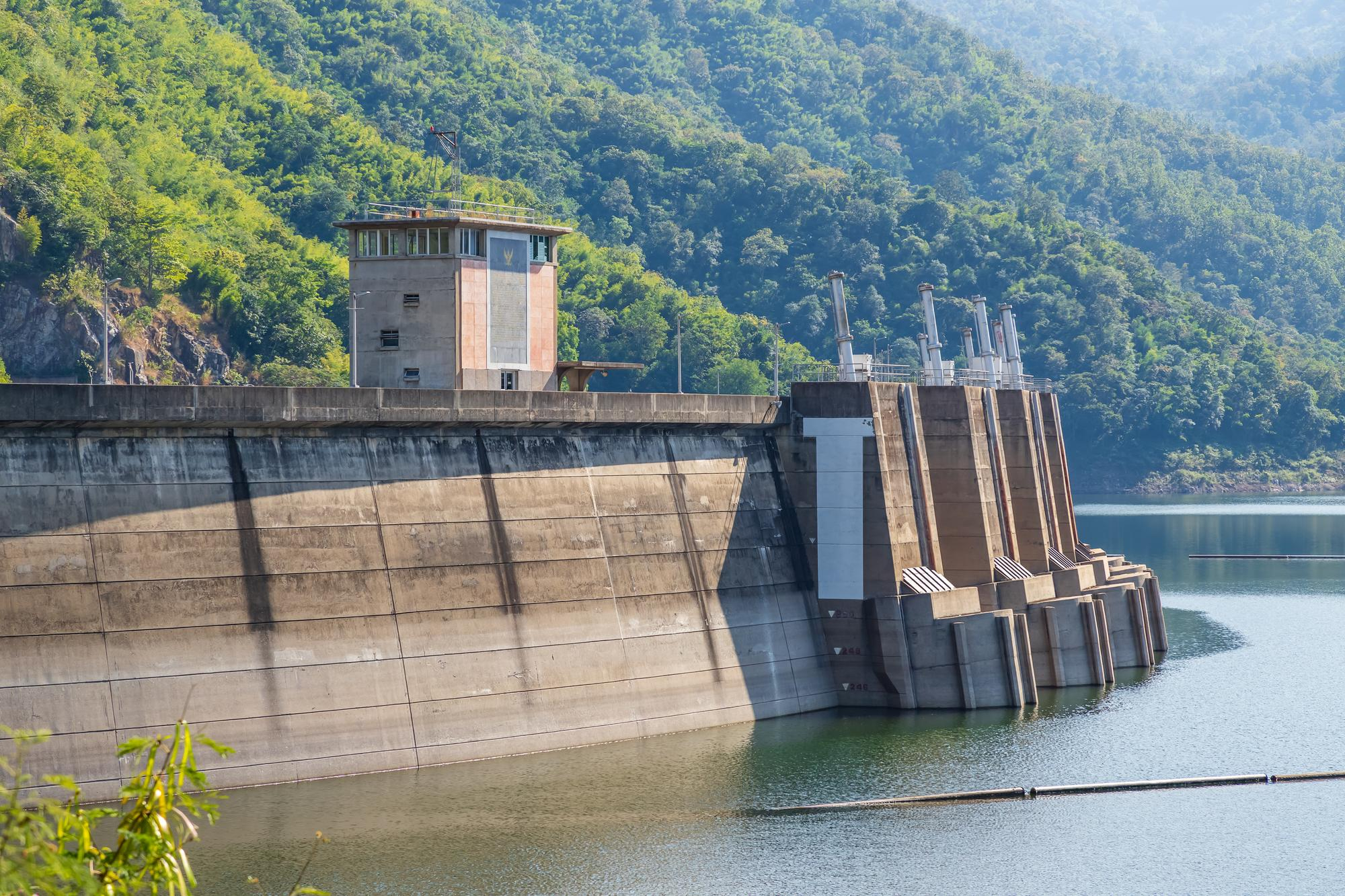
As India faces increasing water stress, climate uncertainty, and growing demand for water resources, traditional dam infrastructure is evolving through digital technologies. Smart dams are helping water authorities improve efficiency, optimize reservoir operations, and strengthen long-term water security.
Through advanced monitoring systems and automated controls, smart dams are transforming how water resources are managed across the country. Through its expertise in water infrastructure and EPC solutions, OmYash Projects supports modern infrastructure development that improves operational efficiency and sustainability.
What Is a Smart Dam?
A smart dam is a dam equipped with advanced digital technologies that monitor, analyze, and manage water resources in real time.
These systems typically use:
- IoT sensors
- SCADA systems
- Automated gates
- Remote monitoring
- Data analytics
- Predictive forecasting
Unlike traditional dams, smart dams provide operators with continuous information that helps improve decision-making.
Why Smart Dams Are Becoming Important
India's water infrastructure faces several challenges:
- Unpredictable rainfall
- Climate change
- Growing urban demand
- Agricultural water requirements
- Flood risks
- Drought conditions
Smart dam technology helps address these challenges by improving reservoir management and operational efficiency.
Several major infrastructure projects executed by OmYash Projects demonstrate how modern engineering solutions are improving water resource management.
Real-Time Reservoir Monitoring
One of the biggest advantages of smart dams is continuous monitoring.
Sensors collect data on:
- Water levels
- Reservoir storage
- Inflow rates
- Outflow rates
- Rainfall patterns
- Structural performance
This information helps authorities respond quickly to changing conditions.
Better Drought Management
During periods of water scarcity, reservoir operations become critical.
Smart systems help:
- Forecast future demand
- Monitor available storage
- Optimize water releases
- Improve long-term planning
This enables more efficient utilization of stored water resources.
Improved Flood Control
Heavy rainfall events are becoming more frequent due to climate change.
Smart dam systems help:
- Predict flood risks
- Monitor river inflows
- Automate gate operations
- Reduce downstream flooding
This improves disaster preparedness and public safety.
Supporting Urban Water Supply
Many cities depend on reservoirs for drinking water.
Smart reservoir management helps:
- Maintain stable water levels
- Improve supply reliability
- Reduce operational risks
- Enhance distribution planning
Combined with efficient water transmission infrastructure, smart dams help ensure consistent water availability.
Integration With Smart Water Infrastructure
Modern water management extends beyond dams.
Integrated systems include:
- Transmission pipelines
- Pumping stations
- Water treatment plants
- Distribution networks
- SCADA-based monitoring systems
This creates a connected infrastructure ecosystem that improves overall efficiency.
As an experienced EPC infrastructure company, OmYash Projects understands the importance of integrating technology with large-scale infrastructure projects.
Climate Change and Smart Dam Technology
Climate variability requires more flexible and responsive water management systems.
Smart dams help address:
- Drought resilience
- Water shortages
- Extreme rainfall events
- Reservoir optimization
- Resource conservation
These capabilities are becoming increasingly important as climate conditions continue to evolve.
Future of Smart Dams in India
Future developments may include:
Artificial Intelligence (AI)
AI can improve forecasting and operational planning.
Predictive Analytics
Data-driven insights support better decision-making.
Digital Twins
Virtual models help optimize dam performance.
Automated Operations
Advanced systems improve efficiency and reduce response times.
These innovations will play a key role in strengthening India's water infrastructure.
Explore the complete range of services offered by OmYash Projects to learn how infrastructure and technology are shaping the future of water management.
Conclusion
Smart dams represent the next generation of water infrastructure. By combining engineering excellence with digital technologies, they improve reservoir management, support water security, enhance flood control, and strengthen climate resilience.
As India continues to invest in sustainable infrastructure, smart dams will become increasingly important for ensuring efficient and reliable water resource management.
For expert guidance on water infrastructure development and EPC solutions, contact OmYash Projects to discuss your project requirements.
FAQs
What is a smart dam?
A smart dam uses technologies such as IoT sensors, SCADA systems, automation, and data analytics to monitor and manage water resources in real time.
How do smart dams improve reservoir management?
Smart dams provide real-time data that helps optimize storage, water releases, and operational planning.
Can smart dams help prevent floods?
Yes. Smart monitoring systems improve flood forecasting and support controlled water releases during heavy rainfall events.
Why are smart dams important for water security?
They improve efficiency, reduce wastage, and help ensure reliable water availability during droughts and periods of high demand.
How do smart dams support climate resilience?
Smart dams help manage changing rainfall patterns, drought conditions, and extreme weather events through advanced monitoring and predictive technologies.