
Oil & Gas Pipeline Infrastructure in Gujarat: Engineering, Construction and Project Challenges
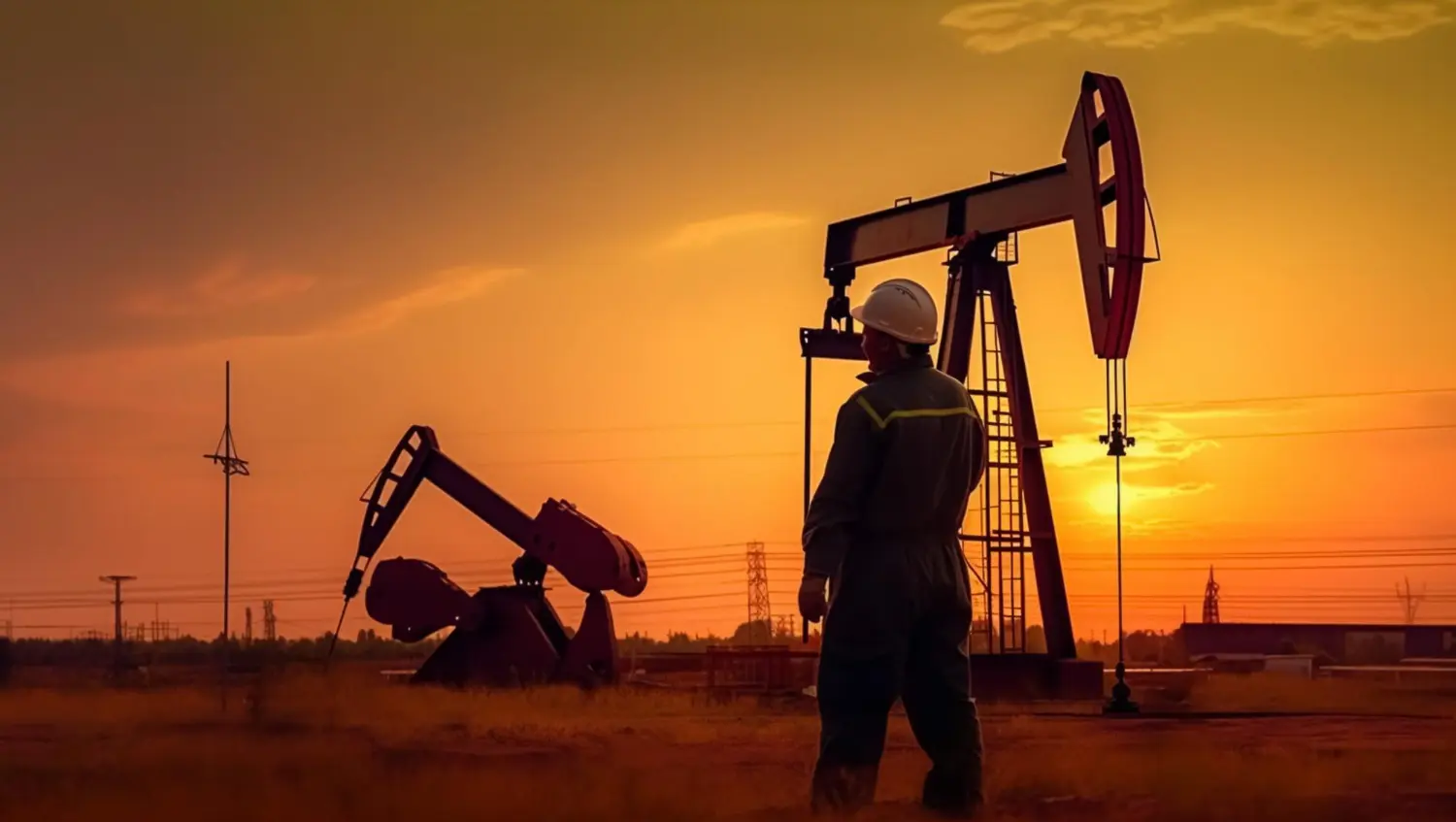
Gujarat has a strategically important position in India's oil and gas infrastructure network.
Its coastline, refineries, ports, LNG terminals, industrial zones and expanding gas distribution network make pipeline infrastructure an essential part of the state's industrial ecosystem.
From crude oil transportation and natural gas transmission to refinery connectivity and industrial gas distribution, pipelines connect energy sources with refineries, terminals, industries and consumers.
The scale of this network also creates significant engineering and construction requirements.
A modern oil or gas pipeline project involves much more than laying steel pipes. It requires route engineering, surveying, welding, coating, testing, crossings, cathodic protection, valves, control systems, safety planning and commissioning.
For companies planning such projects, selecting an EPC partner with experience across multiple infrastructure disciplines can be critical.
OmYash Projects provides cross-country pipeline and hydrocarbon infrastructure services, covering oil, gas and water pipeline requirements along with associated infrastructure.
Why Gujarat Is Important for Oil and Gas Pipeline Infrastructure
Gujarat occupies a unique position in India's energy infrastructure.
The state has:
- Major ports
- Refineries
- LNG infrastructure
- Petrochemical industries
- Industrial estates
- Natural gas networks
- Crude oil pipelines
- Petroleum product pipelines
IndianOil's current infrastructure information, for example, identifies the Dahej–Koyali R-LNG Pipeline, a 106-kilometre pipeline commissioned in 2022 to transport regasified LNG from Dahej to its Gujarat Refinery.
IndianOil also operates the Salaya–Mathura Pipeline, originating near Vadinar in Gujarat, and the Mundra–Panipat Pipeline, connecting Gujarat's Mundra region with northern India.
This network demonstrates why pipeline infrastructure is fundamental to Gujarat's energy economy.
Gujarat's Natural Gas Network Is Continuing to Expand
Gujarat's gas infrastructure is not static.
GSPL Transmission Limited states that it is continuing to develop pipeline infrastructure in Gujarat, including connectivity to new gas sources and expansion towards additional regions.
Its current expansion plans include projects connecting areas such as:
- Jamnagar
- Dwarka
- Anjar
- Palanpur
- Dahej
- Bhavnagar
- Narmada
- Amreli
- Mundra
- Vapi
GSPL also identifies industrial regions such as Dahej SEZ as customers of its gas network.
This continuing network expansion creates demand for engineering, construction, pipeline laying and associated infrastructure.
What Is an Oil and Gas Pipeline Project?
An oil or gas pipeline project is an engineered transportation system designed to move hydrocarbons between production, storage, processing, refining, distribution or consumption points.
Depending on the application, pipelines may transport:
- Crude oil
- Natural gas
- LNG-derived gas
- Petroleum products
- Aviation turbine fuel
- Other hydrocarbon products
The engineering requirements differ depending on the product being transported.
Pipeline diameter, operating pressure, material, temperature, terrain, route length and safety requirements all influence the final design.
How an Oil and Gas Pipeline Project Is Planned
Before construction begins, engineers need to understand the complete route and operating requirements.
A typical project may involve:
Feasibility → Route Survey → Detailed Engineering → Approvals → Procurement → Construction → Testing → Commissioning
Each stage affects the next.
A poor route decision can increase construction costs.
An incomplete survey can result in unexpected site conditions.
Late procurement can delay construction.
Insufficient testing can create commissioning problems.
This is why pipeline projects require integrated planning.
Route Selection Is One of the Most Important Decisions
A pipeline may cross a wide range of terrain and infrastructure.
The selected alignment can affect:
- Construction cost
- Land requirements
- Environmental impact
- Crossing requirements
- Pipeline length
- Access
- Maintenance
- Safety
Engineers need to identify existing:
- Roads
- Railways
- Rivers
- Canals
- Utility corridors
- Existing pipelines
- Power lines
- Settlements
The objective is to establish a technically feasible and economically efficient route.
Pipeline Survey and Engineering
Surveying provides the information required for detailed engineering.
Depending on the project, surveys can include:
- Topographical surveys
- Route surveys
- Geotechnical investigations
- Utility surveys
- Crossing surveys
Modern projects may also use GIS, satellite data, drones and other digital survey technologies.
The resulting information helps engineers determine:
- Pipeline alignment
- Elevation profile
- Crossing locations
- Construction access
- Soil conditions
- Special engineering requirements
Selecting the Right Pipeline Material
Steel pipelines are widely used for oil and gas transportation because of their strength and suitability for high-pressure applications.
However, pipeline design involves more than selecting a material.
Engineers must consider:
- Pipe diameter
- Wall thickness
- Operating pressure
- Product characteristics
- Temperature
- External loads
- Corrosion
- Soil conditions
Material specifications should be established according to the requirements of the individual project.
Pipeline Welding and Joint Integrity
For steel pipelines, welding is one of the most important construction activities.
Every welded joint must meet specified quality requirements.
Pipeline construction therefore involves:
- Pipe alignment
- Welding
- Weld inspection
- Non-destructive testing
- Coating
- Lowering
- Backfilling
The quality of these activities directly affects pipeline integrity.
Poor welding or inadequate inspection can create serious long-term risks.
Pipeline Coating and Corrosion Protection
Steel pipelines are vulnerable to corrosion if not appropriately protected.
Pipeline protection can involve external coatings and cathodic protection systems.
The purpose is to reduce corrosion risk and extend pipeline service life.
The selected coating system depends on factors including:
- Soil conditions
- Operating environment
- Temperature
- Installation method
- Product requirements
Corrosion protection should therefore be considered during design rather than treated as an afterthought.
Road, Railway and River Crossings
One of the most technically challenging aspects of cross-country pipeline construction is crossing existing infrastructure.
A pipeline may need to cross:
- National highways
- State highways
- Railway lines
- Rivers
- Canals
- Existing utility corridors
Crossing methods need to be selected according to site conditions and applicable requirements.
For example, trenchless techniques may be considered where open excavation would significantly disrupt existing infrastructure.
Each crossing requires separate engineering and construction planning.
Why Pipeline Safety Is Critical
Oil and gas pipelines transport materials that require strict safety management.
Pipeline safety needs to be considered across the complete project lifecycle.
This includes:
- Design
- Material selection
- Welding
- Testing
- Commissioning
- Monitoring
- Maintenance
Safety planning also needs to consider construction workers, nearby communities, existing infrastructure and the environment.
Hydrostatic Testing Before Commissioning
Pipeline testing is an essential part of commissioning.
For applicable systems, hydrostatic testing involves filling a pipeline with water and subjecting it to a specified test pressure to verify integrity.
Testing helps identify potential weaknesses before the pipeline enters service.
The exact test procedure depends on the pipeline design, applicable standards and project requirements.
Commissioning an Oil or Gas Pipeline
Construction is not complete when the final pipe is buried.
Before operation, the pipeline and associated systems may need to undergo:
- Testing
- Cleaning
- Inspection
- Instrumentation checks
- Valve verification
- Pressure testing
- Control-system checks
- Commissioning procedures
Only after the relevant systems have been verified can the pipeline be placed into operation.
SCADA and Digital Monitoring
Large pipeline systems increasingly depend on digital monitoring.
SCADA systems can allow operators to monitor information such as:
- Pressure
- Flow
- Valve status
- Equipment condition
- Alarms
This becomes especially important when pipelines extend over large distances.
Digital monitoring can improve operational visibility and help identify abnormal conditions.
OmYash's project experience includes instrumentation and SCADA integration as part of industrial infrastructure execution, demonstrating how digital monitoring can form part of a broader EPC scope.
Gujarat's Industrial Zones Increase Pipeline Demand
Gujarat has major industrial areas where reliable energy infrastructure is essential.
Gas and hydrocarbon pipelines support industries by connecting them to:
- Gas transmission networks
- LNG terminals
- Refineries
- Storage facilities
- Industrial distribution systems
The continued development of gas connectivity is therefore closely linked with industrial infrastructure development.
GSPL's current expansion plans specifically identify connectivity for industrial regions and new gas sources across Gujarat.
Dahej and the Importance of Pipeline Connectivity
Dahej is an important example of the relationship between energy infrastructure and industrial development.
The region has LNG, port, petrochemical and industrial infrastructure.
IndianOil's Dahej–Koyali R-LNG Pipeline connects the Dahej terminal with its Gujarat Refinery, illustrating how pipeline systems connect energy import infrastructure with downstream industrial assets.
This type of connectivity is critical for ensuring that energy infrastructure can support industrial demand.
The Role of EPC in Oil and Gas Pipeline Projects
Oil and gas pipeline projects require coordination across many disciplines.
An EPC scope can involve:
- Engineering
- Survey
- Procurement
- Civil works
- Pipeline construction
- Welding
- Mechanical works
- Electrical systems
- Instrumentation
- Testing
- Commissioning
An integrated approach can reduce coordination gaps between different project activities.
OmYash provides cross-country pipeline and hydrocarbon infrastructure solutions, making this an important part of its broader infrastructure EPC positioning.
Common Challenges in Gujarat Pipeline Projects
Pipeline construction in Gujarat can involve several practical challenges.
Dense Existing Infrastructure
Industrial regions can contain existing pipelines, roads, power infrastructure and utilities.
Land and Right-of-Way
Pipeline corridors may cross agricultural, industrial and other privately or publicly controlled land.
Highway and Railway Crossings
Major transportation infrastructure requires specialised crossing planning.
Coastal Conditions
Projects near ports and coastal industrial areas may require additional consideration of environmental and corrosion conditions.
Industrial Interfaces
Pipelines may need to connect with existing terminals, refineries, gas networks and industrial facilities.
Construction Coordination
Multiple contractors and authorities may need to coordinate throughout the project.
These factors make experienced project management particularly important.
Oil and Gas Pipeline Infrastructure and India's Energy Security
Pipeline networks provide an important connection between energy sources and consumers.
They can support:
- Refinery feedstock
- Natural gas distribution
- Industrial fuel supply
- Petroleum product transportation
- LNG integration
India's broader gas infrastructure is moving towards greater network connectivity.
GAIL's current network information lists the Gujarat Regional Pipeline Network at 604 km, while its overall operated natural gas pipeline network is listed at 18,688 km as of 30 June 2026.
This highlights the scale of India's existing gas transmission infrastructure.
Why Gujarat Is a Strategic Market for Pipeline EPC
For an EPC company, Gujarat offers a particularly important market because multiple infrastructure requirements overlap.
The state combines:
Energy + Ports + Refineries + LNG + Petrochemicals + Manufacturing + Industrial Corridors + Gas Distribution
This creates continuing demand for:
- Pipeline construction
- Pipeline maintenance
- Industrial connectivity
- Terminal infrastructure
- Gas network expansion
- Hydrocarbon infrastructure
OmYash's Gujarat presence and experience across pipeline and industrial infrastructure therefore provide a relevant foundation for this market.
Why Clients Should Evaluate More Than Pipeline-Laying Capability
A pipeline EPC partner should ideally understand the complete project environment.
Before selecting a contractor, project owners should evaluate:
- Engineering capability
- Pipeline construction experience
- Welding and inspection systems
- Safety management
- Procurement capability
- Crossing experience
- Testing and commissioning
- Instrumentation
- SCADA
- Project management
This becomes particularly important for large and technically complex pipeline systems.
OmYash's Approach to Hydrocarbon Infrastructure
OmYash identifies hydrocarbon infrastructure as one of its service areas, covering infrastructure associated with exploration, extraction, transportation and processing.
Its hydrocarbon infrastructure services focus on safety, efficiency and responsible project execution.
The company also brings experience across civil, mechanical, electrical and instrumentation requirements, allowing different project components to be coordinated within an integrated infrastructure framework.
For companies evaluating infrastructure partners, the OmYash project portfolio provides further context on its experience across complex infrastructure execution.
The Future of Oil and Gas Pipeline Infrastructure in Gujarat
Gujarat's pipeline infrastructure is likely to continue evolving alongside the state's industrial and energy ecosystem.
Future requirements may increasingly involve:
- New gas-source connectivity
- Industrial gas networks
- LNG integration
- Pipeline capacity expansion
- Digital monitoring
- Pipeline integrity management
- Automated control systems
The focus will increasingly shift from simply building pipelines to building reliable, monitored and integrated energy infrastructure.
Conclusion
Oil and gas pipeline infrastructure is a critical component of Gujarat's industrial and energy ecosystem.
The state's refineries, ports, LNG terminals, industrial zones and expanding gas networks depend on reliable pipeline connectivity.
Successful pipeline projects require much more than pipe installation.
Route engineering, material selection, welding, corrosion protection, crossings, testing, commissioning, instrumentation and monitoring all contribute to long-term performance.
With Gujarat continuing to expand its gas and industrial infrastructure, the demand for technically capable pipeline EPC partners is likely to remain important.
OmYash Projects provides pipeline and hydrocarbon infrastructure services and combines engineering and project execution capabilities across multiple infrastructure disciplines.
To discuss an oil, gas, hydrocarbon or pipeline infrastructure requirement in Gujarat, contact OmYash Projects.
FAQs
What is oil and gas pipeline infrastructure?
Oil and gas pipeline infrastructure includes the pipelines, valves, pumping or compressor systems, control equipment, instrumentation and associated facilities used to transport crude oil, natural gas or petroleum products between different locations.
Why is Gujarat important for oil and gas pipelines?
Gujarat has major ports, refineries, LNG terminals, petrochemical industries and gas transmission networks, making pipeline connectivity an important part of the state's energy and industrial infrastructure.
What are the major challenges in oil and gas pipeline construction?
Common challenges include route selection, land and right-of-way, road and railway crossings, existing utilities, welding quality, corrosion protection, environmental considerations, testing and commissioning.
What is hydrostatic testing of a pipeline?
Hydrostatic testing is a pipeline integrity test in which the pipeline is filled with water and subjected to a specified pressure to verify that it can safely withstand the required operating conditions.
What is SCADA used for in pipeline infrastructure?
SCADA can be used to monitor and control pipeline operating conditions such as pressure, flow, valve status and alarms, providing operators with greater visibility across distributed pipeline networks.
What does an oil and gas pipeline EPC contractor do?
An EPC contractor can manage engineering, procurement and construction activities, along with associated civil, mechanical, electrical, instrumentation, testing and commissioning requirements.
Does OmYash provide hydrocarbon pipeline infrastructure services in Gujarat?
Yes. OmYash identifies hydrocarbon infrastructure and cross-country oil and gas pipelines among its infrastructure service capabilities. Its services include engineering and execution for pipeline-related infrastructure.