
Why Water Recycling Infrastructure Is Becoming India's Next Big Investment
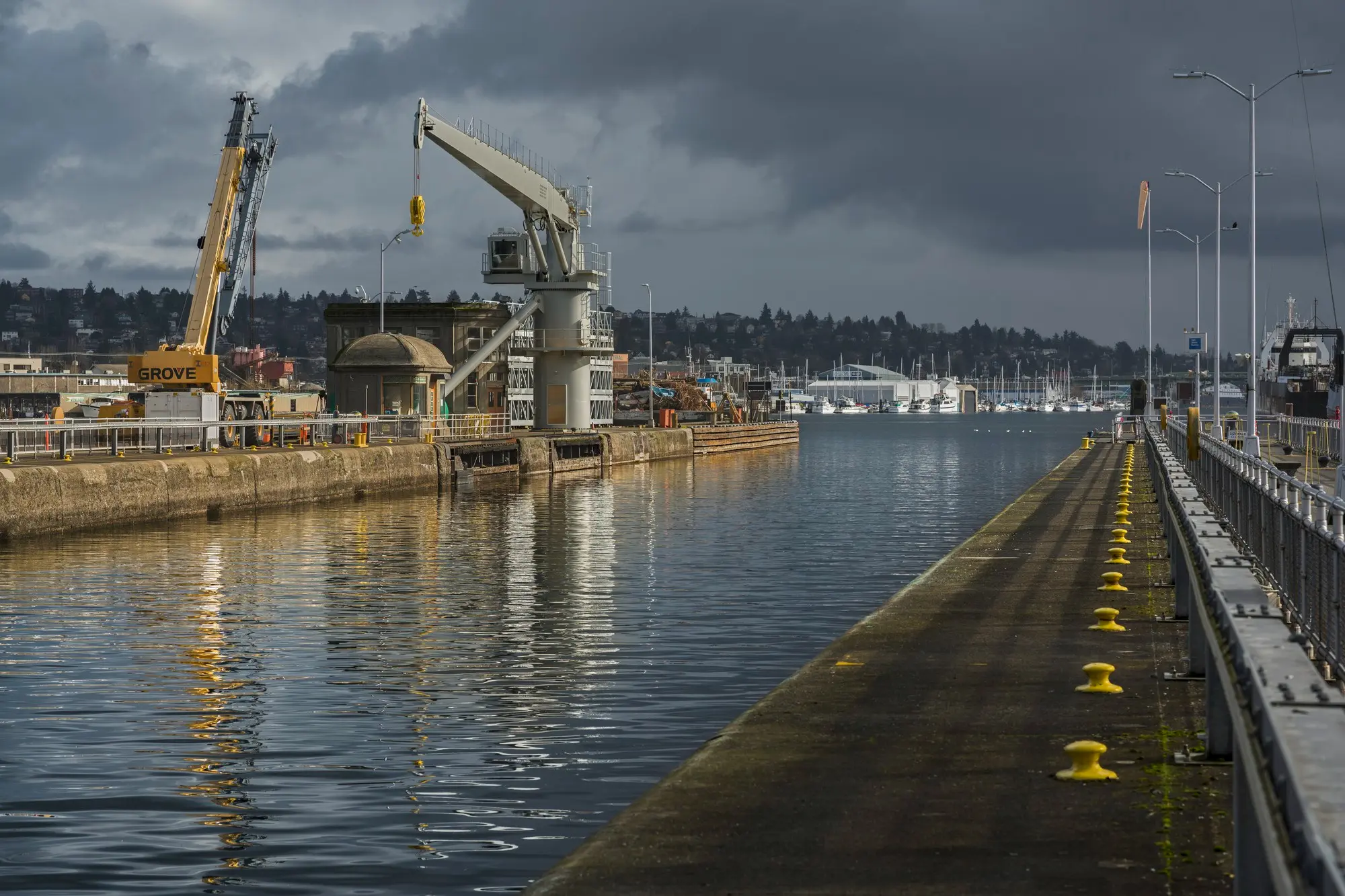
India is entering a new era of water management where recycling, reuse, and resource efficiency are becoming just as important as building new dams, reservoirs, and pipelines. With rising urban populations, expanding industries, and increasing pressure on freshwater resources, water recycling infrastructure has become one of the country's fastest-growing investment areas.
Government initiatives, stricter environmental regulations, and industrial sustainability goals are encouraging cities and businesses to reuse treated wastewater instead of relying solely on freshwater sources. This shift is helping conserve rivers, improve water security, and create opportunities for modern engineering and EPC companies.
As specialists in water infrastructure and EPC solutions, OmYash Projects recognizes that future-ready infrastructure must combine reliable water supply with efficient water reuse.
Why India Needs Water Recycling More Than Ever
India holds nearly 18% of the world's population but only about 4% of its freshwater resources, making efficient water management a national priority.
Growing demand comes from:
- Expanding cities
- Manufacturing industries
- Agriculture
- Energy generation
- Commercial developments
Instead of continuously extracting groundwater or increasing river withdrawals, treated wastewater can safely meet many non-potable water requirements.
The Ministry of Jal Shakti has repeatedly highlighted water conservation, reuse, and efficient management as essential for long-term water security.
How Water Recycling Infrastructure Works
Modern recycling systems typically include:
- Collection networks
- Sewage treatment plants (STPs)
- Effluent treatment plants (ETPs)
- Tertiary treatment
- Disinfection
- Storage reservoirs
- Transmission pipelines
- Distribution systems
After treatment, recycled water can be used for:
- Industrial cooling
- Construction
- Landscaping
- Agriculture
- Process water
- Urban non-potable applications
This reduces pressure on freshwater sources while supporting sustainable development.
Industrial Demand Is Driving Investment
Industries are among the largest consumers of water in India.
Sectors such as:
- Power generation
- Chemicals
- Pharmaceuticals
- Food processing
- Textiles
- Steel
- Refineries
are increasingly adopting water recycling systems to improve operational efficiency and comply with environmental regulations.
Through its experience in major infrastructure projects, OmYash Projects understands the importance of designing integrated water transmission and treatment systems that support industrial growth.
Government Policies Encouraging Water Reuse
Several national and state initiatives encourage wastewater treatment and reuse.
These include:
- Jal Jeevan Mission
- AMRUT
- Smart Cities Mission
- National Water Policy
- River rejuvenation programmes
The Central Pollution Control Board (CPCB) and state pollution control boards continue to promote higher standards for wastewater treatment and sustainable discharge practices.
Technologies Transforming Water Recycling
Modern recycling infrastructure relies on advanced engineering.
Common technologies include:
Membrane Filtration
Produces high-quality treated water suitable for industrial reuse.
SCADA Systems
Enable continuous monitoring of treatment plants.
IoT Sensors
Track water quality and operational performance in real time.
AI-Based Optimisation
Improves treatment efficiency while reducing operational costs.
As an experienced EPC infrastructure company, OmYash Projects supports engineering solutions that integrate smart technologies with reliable water infrastructure.
Benefits Beyond Water Conservation
Investing in recycling infrastructure delivers multiple advantages:
- Reduced freshwater demand
- Improved groundwater conservation
- Lower environmental impact
- Reliable industrial water supply
- Better drought resilience
- Sustainable urban development
It also helps cities prepare for future climate challenges by diversifying water sources.
The Future of Water Infrastructure
Water recycling is expected to become a core component of India's infrastructure strategy.
Future projects will increasingly integrate:
- Advanced treatment technologies
- Smart monitoring
- Recycled water distribution networks
- Industrial water reuse
- Climate-resilient planning
Companies capable of delivering end-to-end EPC solutions will play an important role in this transformation.
Explore the complete range of services offered by OmYash Projects to learn how integrated engineering supports sustainable water management.
Conclusion
India's growing focus on water recycling reflects a broader shift toward sustainable infrastructure and resource efficiency. By treating wastewater as a valuable resource rather than a waste product, cities and industries can strengthen water security, reduce environmental impacts, and support long-term economic growth.
For organisations planning advanced water infrastructure projects, contact OmYash Projects to discuss engineering solutions tailored to modern water management challenges.