
How Dam Spillways Protect Communities During Heavy Monsoon Rains
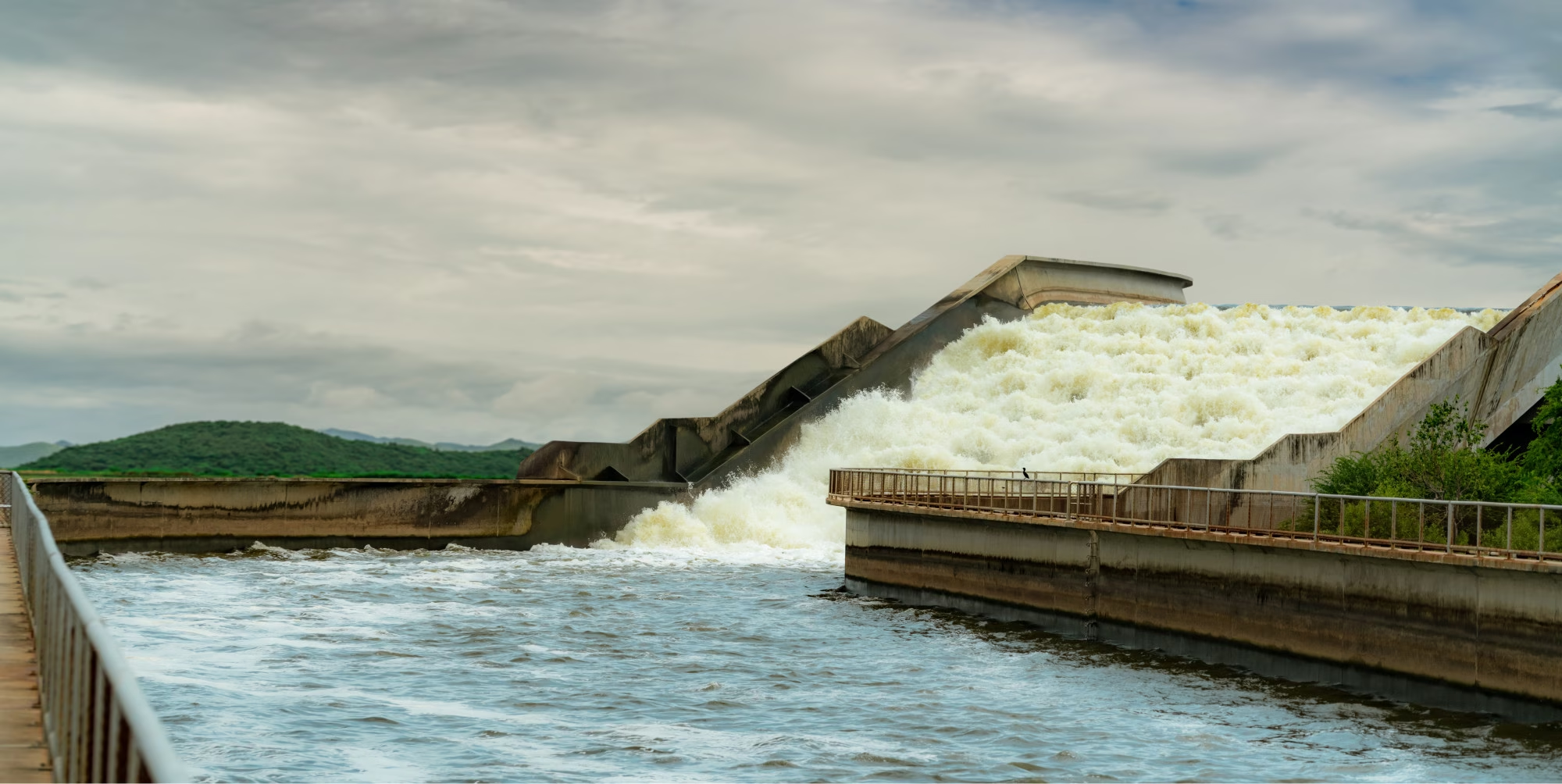
Every monsoon, news headlines frequently report that dam gates have been opened following heavy rainfall. While these announcements may raise concerns among nearby communities, controlled water releases are a vital part of dam operations and play an essential role in protecting lives, infrastructure, and water resources.
At the heart of this process are spillways—specialized structures designed to safely release excess water when reservoir levels rise beyond safe limits. Without properly designed spillways, dams would face enormous structural pressure during periods of intense rainfall.
Through its expertise in water infrastructure and EPC solutions, OmYash Projects contributes to the development of resilient infrastructure that supports safe reservoir management and long-term water security.
What Is a Dam Spillway?
A spillway is a hydraulic structure that safely directs excess water away from a reservoir once water levels approach the dam's maximum storage capacity.
Instead of allowing water to flow uncontrolled over the dam, spillways channel water through carefully engineered pathways that minimize erosion and downstream damage.
Every major dam is designed with spillway systems that match expected rainfall, river flow, and reservoir capacity.
Why Spillways Become Critical During the Monsoon
India receives nearly 80% of its annual rainfall during the southwest monsoon.
Heavy rainfall can rapidly increase reservoir storage within a few days.
Without controlled releases:
- Reservoirs may exceed safe operating levels
- Structural pressure on dams increases
- Downstream flooding becomes more severe
- Emergency situations become more difficult to manage
Proper spillway operation allows reservoir operators to maintain safe water levels while protecting downstream communities.
How Spillways Help Prevent Flood Disasters
Contrary to common belief, opening dam gates does not create floods.
Instead, spillways help reduce flood risks by:
- Releasing excess water in a controlled manner
- Preventing sudden dam overtopping
- Protecting structural integrity
- Managing river flow downstream
- Supporting coordinated flood management
Controlled releases are planned using rainfall forecasts, river inflow data, and reservoir storage levels.
Types of Spillways Used in Modern Dams
Different dam projects use different spillway designs depending on terrain, reservoir capacity, and river characteristics.
Common spillway types include:
Overflow Spillways
Water flows directly over a specially designed concrete crest.
Gated Spillways
Mechanical gates regulate the amount of water released.
Chute Spillways
Water is safely carried downstream through sloping concrete channels.
Side Channel Spillways
Used where site conditions limit conventional spillway construction.
Each design is selected based on engineering requirements and long-term operational safety.
Technology Is Making Spillway Operations Smarter
Today's reservoirs rely on advanced monitoring systems to improve operational decisions.
Modern technologies include:
- SCADA systems
- IoT water level sensors
- Weather forecasting integration
- Real-time reservoir monitoring
- Automated gate control systems
These technologies allow dam operators to respond more quickly to changing weather conditions.
As an experienced EPC infrastructure company, OmYash Projects recognizes the importance of integrating smart technologies into modern water infrastructure.
Spillways Support Long-Term Water Security
Spillways are not designed only for emergencies.
They also help maintain efficient reservoir operations throughout the year by:
- Managing seasonal inflows
- Protecting storage capacity
- Improving operational flexibility
- Supporting irrigation planning
- Ensuring reliable drinking water supply
Several major infrastructure projects executed by OmYash Projects highlight the importance of engineering excellence in developing safe and reliable water infrastructure.
Why Regular Spillway Maintenance Is Essential
Like every critical infrastructure asset, spillways require regular inspection and maintenance.
Routine activities include:
- Structural inspections
- Gate testing
- Concrete repairs
- Debris removal
- Instrument calibration
- Mechanical maintenance
Preventive maintenance helps ensure spillways operate effectively when heavy rainfall occurs.
Building Safer Water Infrastructure for the Future
Climate change is increasing the frequency of extreme rainfall events across India.
Future-ready dam infrastructure must combine:
- Modern spillway design
- Smart monitoring technologies
- Predictive weather systems
- Automated reservoir operations
- Integrated flood management
Together, these investments strengthen public safety while improving long-term water resource management.
Explore the complete range of water infrastructure services offered by OmYash Projects to learn how engineering innovation supports resilient infrastructure development.
Conclusion
Dam spillways are among the most important components of modern water infrastructure. By safely releasing excess water during heavy monsoon rains, they protect dam structures, reduce flood risks, and help ensure reliable water availability throughout the year.
As rainfall patterns become increasingly unpredictable, investments in smart spillway systems, reservoir monitoring, and integrated water infrastructure will play a critical role in protecting communities and supporting sustainable development.
For expert guidance on dam engineering, reservoir management, and EPC solutions, contact OmYash Projects to discuss your infrastructure requirements.
FAQs
What is the purpose of a dam spillway?
A spillway safely releases excess water from a reservoir when water levels rise above safe operating limits, protecting the dam and surrounding communities.
Why are dam gates opened during heavy rainfall?
Dam gates are opened to control reservoir levels and safely release excess water, reducing pressure on the dam and minimizing flood risks.
Can spillways prevent flooding?
Spillways help manage floodwaters by regulating controlled releases, although broader flood management also depends on river capacity, rainfall intensity, and downstream planning.
How are spillways monitored today?
Modern spillways are monitored using SCADA systems, IoT sensors, weather forecasting, and automated gate control technologies.
Why is spillway maintenance important?
Regular maintenance ensures spillways function reliably during heavy rainfall, helping protect infrastructure, communities, and water resources.