
Dholera Industrial Infrastructure: Why EPC Projects Are Driving Gujarat's Next Manufacturing Hub
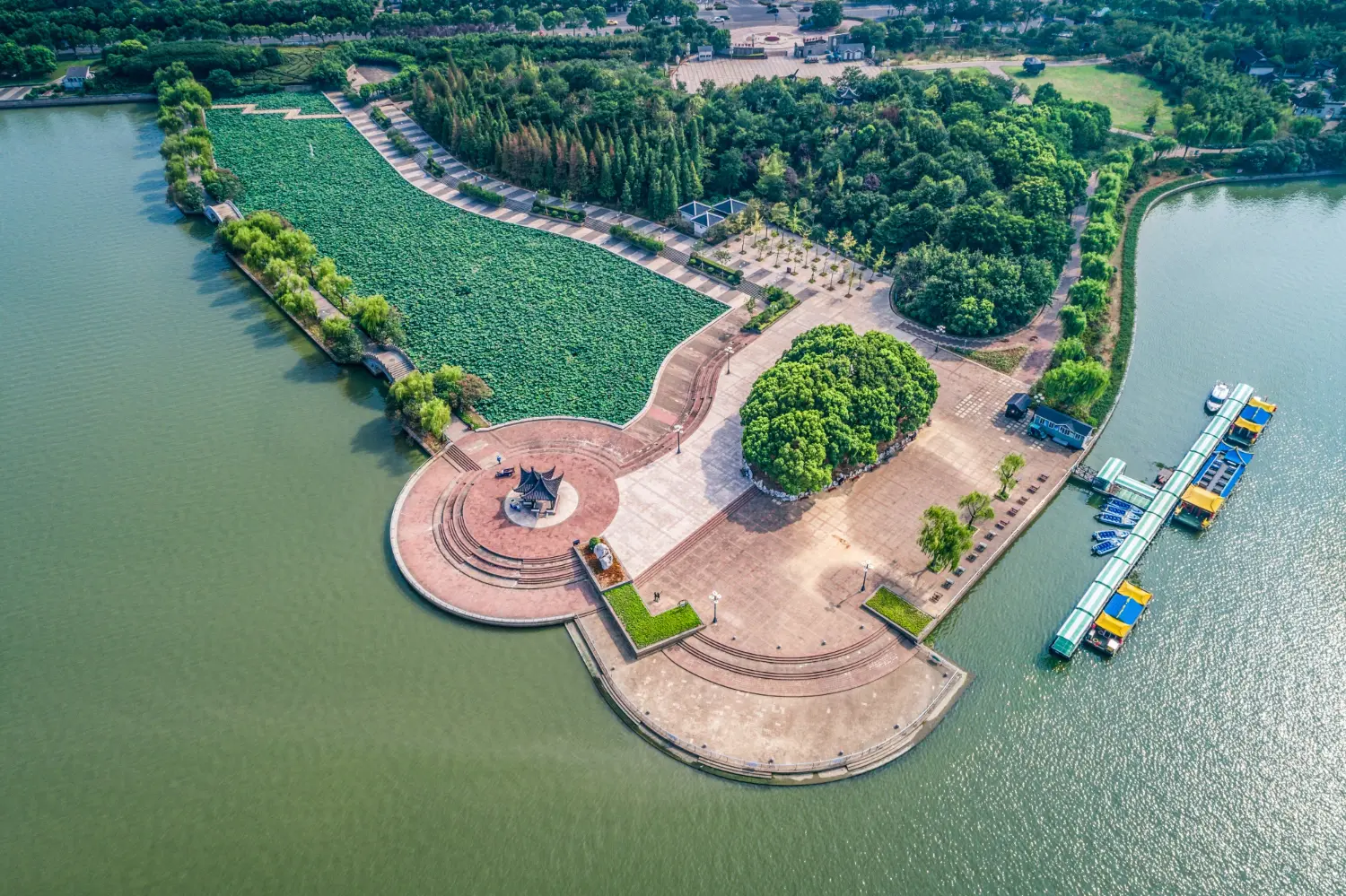
Dholera is emerging as one of Gujarat's most closely watched industrial development zones, with infrastructure being built around the requirements of large-scale manufacturing, utilities, logistics and future industrial expansion.
The development of an industrial city at this scale requires far more than factories and roads.
It requires an interconnected infrastructure ecosystem covering:
- Water supply
- Wastewater treatment
- Industrial utilities
- Drainage
- Pipelines
- Power infrastructure
- Roads
- Common facilities
- Environmental infrastructure
- Engineering and construction
Recent procurement activity demonstrates the scale of this requirement.
Dholera Industrial City Development Limited has recently sought agencies for the design and construction of a 20 MLD Common Effluent Treatment Plant on EPC basis, alongside other infrastructure requirements in the Dholera Special Investment Region.
For EPC companies operating in Gujarat, this is significant because it shows how industrial development is creating demand for integrated infrastructure rather than isolated construction packages.
OmYash Projects provides EPC and infrastructure solutions covering water infrastructure, pipelines, irrigation, wastewater treatment, industrial infrastructure and hydrocarbon-related projects.
What Is Dholera Industrial City?
Dholera is being developed as a major industrial and investment destination in Gujarat.
Its development is intended to create infrastructure capable of supporting manufacturing and other industrial activities at a large scale.
That means the infrastructure needs to be planned before, alongside and in coordination with industrial development.
A functioning industrial ecosystem requires:
Land + Roads + Power + Water + Wastewater + Drainage + Utilities + Connectivity
Without these supporting systems, industrial investment cannot scale efficiently.
Why Dholera Matters to Gujarat's Industrial Strategy
Gujarat has historically developed major industrial clusters around cities, ports, manufacturing centres and dedicated industrial estates.
Dholera represents another step in this development model.
The objective is not simply to create individual factories.
It is to develop an integrated industrial environment where businesses can access common infrastructure and utilities.
This creates demand for EPC contractors capable of delivering technically complex infrastructure packages.
Dholera's Infrastructure Requires Multiple Engineering Disciplines
A large industrial city cannot be developed through a single engineering discipline.
Projects can involve:
Civil Engineering
Including:
- Roads
- Structures
- Drainage
- Foundations
- Utility infrastructure
Water Infrastructure
Including:
- Water treatment
- Transmission pipelines
- Storage
- Pumping systems
- Distribution networks
Wastewater Infrastructure
Including:
- STPs
- ETPs
- CETPs
- Collection networks
- Treated-water reuse
Pipeline Infrastructure
Including:
- Water pipelines
- Industrial pipelines
- Utility pipelines
- Hydrocarbon-related systems
Electrical and Instrumentation
Including:
- Power systems
- Control systems
- Instrumentation
- Automation
- SCADA
This is where integrated EPC execution becomes valuable.
What Is an EPC Project in Industrial Infrastructure?
EPC stands for:
Engineering, Procurement and Construction.
Under an EPC model, the contractor takes responsibility for major stages of project delivery.
This can include:
- Engineering
- Detailed design
- Procurement
- Construction
- Installation
- Testing
- Commissioning
For industrial infrastructure, this approach can reduce coordination between multiple independent contractors.
OmYash's EPC infrastructure services are designed around integrated engineering and project execution across multiple infrastructure categories.
Why Water Infrastructure Is Critical for Dholera
Industrial facilities require reliable water for:
- Manufacturing
- Cooling
- Utilities
- Cleaning
- Processing
- Worker facilities
- Fire protection
A large industrial development therefore requires water infrastructure to be planned at a regional level.
This can involve:
Source → Treatment → Storage → Pumping → Transmission → Distribution
The transmission system may require large-diameter pipelines and pumping infrastructure depending on the hydraulic profile.
OmYash's water infrastructure services include water treatment, pipeline systems and related infrastructure solutions.
Wastewater Infrastructure Is Equally Important
Every industrial development creates wastewater.
But not all wastewater is the same.
Domestic sewage from workers and facilities is different from industrial effluent generated by manufacturing processes.
This means an industrial development can require multiple wastewater systems.
STP
For domestic sewage.
ETP
For industrial effluent.
CETP
For treating combined industrial effluent from multiple industrial units where such a system is planned.
The recent Dholera requirement for a 20 MLD CETP on EPC basis is a concrete example of wastewater infrastructure being developed alongside the industrial ecosystem.
What Is a CETP?
A Common Effluent Treatment Plant, or CETP, is designed to treat industrial wastewater from multiple participating industries.
Instead of every industrial unit developing an entirely independent treatment system, a common facility can provide shared treatment infrastructure where the industrial and regulatory framework supports it.
A CETP may involve:
- Effluent collection
- Equalisation
- Chemical treatment
- Biological treatment
- Clarification
- Tertiary treatment
- Sludge management
- Treated-water management
The exact process depends on the characteristics of the incoming effluent.
Why CETPs Matter in Industrial Estates
A common treatment plant can become a major piece of industrial infrastructure.
It can help centralise:
- Wastewater treatment
- Process control
- Monitoring
- Sludge management
- Treated-water handling
This makes the CETP part of the broader industrial utility system.
For an industrial city such as Dholera, wastewater infrastructure therefore needs to be considered at the development-planning level rather than only at the individual factory level.
Pipeline Infrastructure Is the Connection Between Systems
Water and wastewater infrastructure cannot function without pipelines.
Pipeline networks can connect:
- Treatment plants
- Reservoirs
- Pumping stations
- Industrial units
- Storage facilities
- CETPs
- STPs
- Distribution networks
Large pipeline projects require detailed engineering around:
- Diameter
- Flow
- Pressure
- Alignment
- Material
- Hydraulic losses
- Crossings
OmYash's pipeline infrastructure services include water, oil and gas pipeline capabilities.
Pumping Stations for Industrial Infrastructure
Not every infrastructure network can rely on gravity.
Pumping stations may be required where:
- Water must move to higher elevations
- Long-distance transmission is required
- Pressure needs to be maintained
- Treatment systems require controlled flow
A pumping station can integrate:
- Pumps
- Motors
- Valves
- Electrical systems
- Instrumentation
- Control systems
The engineering must consider the complete hydraulic system rather than selecting pumps independently.
Industrial Drainage Is Another Critical Infrastructure Layer
Industrial infrastructure requires drainage systems capable of handling different types of water.
These may include:
- Stormwater
- Domestic sewage
- Industrial effluent
- Process-related drainage
Keeping incompatible flows separated can be an important part of infrastructure planning.
For example, stormwater should not simply be mixed with untreated industrial effluent.
Proper drainage design can also reduce flooding risks and improve wastewater-treatment performance.
Why Industrial Infrastructure Needs Future Capacity
One of the biggest challenges in developing a new industrial zone is estimating future demand.
An industrial area may initially have relatively low occupancy.
Over time:
- More factories arrive
- Production increases
- Workforce expands
- Water demand increases
- Wastewater generation increases
Infrastructure therefore needs to be planned around both current and future requirements.
This is particularly important for:
- Water treatment plants
- CETPs
- Pumping stations
- Pipelines
- Storage
- Drainage
Under-sizing infrastructure can create expensive expansion requirements later.
The Role of Industrial Infrastructure EPC Contractors
An industrial EPC contractor can coordinate multiple project interfaces.
For example:
Water Treatment → Pumping → Pipeline → Storage → Distribution
may involve several engineering disciplines.
Similarly:
Effluent Collection → CETP → Treatment → Sludge Management → Reuse/Discharge
requires process, civil, mechanical, electrical and instrumentation coordination.
An integrated EPC approach can help maintain consistency across these systems.
Why Gujarat Is a Strong Market for Industrial EPC
Dholera is not an isolated example of Gujarat's industrial development.
GIDC currently lists industrial development across a wide range of locations and sectors, including manufacturing, pharmaceuticals, engineering, petrochemicals, ports and port-based industries. Its project information was updated in August 2026.
Recent Gujarat government approvals have also included industrial projects involving approximately ₹3,000 crore of investment, with an emphasis on manufacturing, infrastructure development and employment generation.
This creates a broader market for EPC and industrial infrastructure companies across the state.
Dholera and the Future of Gujarat Manufacturing
The significance of Dholera is not limited to one industrial estate.
Large industrial developments can create demand for supporting ecosystems around them.
These can include:
- Manufacturing suppliers
- Logistics
- Warehousing
- Utilities
- Water infrastructure
- Wastewater treatment
- Energy infrastructure
- Industrial services
The more complete the infrastructure ecosystem becomes, the easier it can be for new industrial investment to connect into the development.
What Makes an Industrial EPC Project Different?
Industrial EPC projects often involve tighter coordination than conventional construction.
A building can be structurally complete while utilities remain unfinished.
An industrial facility, however, may not be operational until:
- Water is available
- Power is connected
- Drainage works
- Wastewater systems operate
- Pipelines are commissioned
- Instrumentation works
- Safety systems are functional
This makes commissioning and systems integration particularly important.
Automation and SCADA in Industrial Infrastructure
As industrial infrastructure becomes more complex, monitoring and automation become increasingly valuable.
SCADA systems can monitor:
- Pumping stations
- Water levels
- Flow
- Pressure
- Treatment processes
- Equipment status
- Alarms
This allows operators to monitor distributed infrastructure from central control systems.
For large industrial developments, digital monitoring can improve visibility across multiple infrastructure assets.
OmYash's project portfolio includes experience involving instrumentation and SCADA integration as part of broader industrial infrastructure execution.
Sustainable Infrastructure for Gujarat's Industrial Growth
Industrial development increasingly requires infrastructure that considers resource efficiency.
This can include:
- Water recycling
- Treated wastewater reuse
- Energy-efficient pumping
- Efficient treatment processes
- Digital monitoring
- Stormwater management
- Sludge management
The objective is not simply to construct infrastructure.
It is to create infrastructure that can operate efficiently over its intended lifecycle.
Why Project Planning Matters Before EPC Execution
Large industrial projects can become expensive when major decisions are changed after construction begins.
Early-stage planning should therefore address:
- Site conditions
- Utility requirements
- Water demand
- Wastewater generation
- Pipeline corridors
- Power requirements
- Drainage
- Future expansion
This allows the EPC design to reflect the actual operational requirements.
OmYash's Role in Gujarat's Industrial Infrastructure
OmYash Projects operates across several infrastructure categories that intersect with industrial development.
Its services include:
- EPC infrastructure
- Water infrastructure
- Pipelines
- Lift irrigation
- Wastewater treatment
- Effluent treatment
- Hydrocarbon infrastructure
This multidisciplinary capability is particularly relevant to industrial projects where several infrastructure systems need to operate together.
Its project portfolio also demonstrates experience across civil, mechanical, electrical, pipeline, water and industrial infrastructure requirements.
Why Gujarat Companies Need Integrated EPC Partners
As Gujarat's industrial infrastructure becomes more sophisticated, project owners increasingly need contractors capable of coordinating multiple systems.
The ideal EPC partner should understand:
- Engineering
- Procurement
- Construction
- Project management
- Water systems
- Pipelines
- Treatment
- Mechanical systems
- Electrical systems
- Instrumentation
- Commissioning
This is particularly important for large industrial developments where one infrastructure package can directly affect another.
Conclusion
Dholera represents an important example of how Gujarat's industrial infrastructure is evolving.
The development of a large industrial ecosystem requires far more than industrial plots.
It requires integrated infrastructure covering:
- Water
- Wastewater
- Pipelines
- Drainage
- Utilities
- Power
- Roads
- Environmental systems
- Industrial services
The recent requirement for a 20 MLD CETP on EPC basis at Dholera SIR demonstrates that wastewater infrastructure is already being treated as an essential component of industrial development.
At the same time, Gujarat's wider industrial-estate development and continuing manufacturing investment create opportunities for EPC companies capable of delivering technically complex infrastructure.
For businesses, developers and government-linked infrastructure programmes planning industrial infrastructure in Gujarat, OmYash Projects provides integrated EPC and infrastructure solutions across water, wastewater, pipelines, irrigation and industrial infrastructure.
Review OmYash's project experience, learn more about the company, or contact OmYash Projects for an infrastructure requirement.
FAQs
What is Dholera Industrial City?
Dholera is a major industrial development initiative in Gujarat designed to provide planned infrastructure for large-scale industrial and manufacturing activity.
What infrastructure does an industrial city require?
An industrial city requires integrated infrastructure including roads, water supply, wastewater treatment, drainage, power, pipelines, utilities, common facilities and other supporting systems.
What is a CETP?
A Common Effluent Treatment Plant, or CETP, is a shared facility designed to treat industrial effluent generated by multiple participating industrial units.
Why is a CETP important for Dholera?
A CETP can provide centralised industrial wastewater treatment infrastructure for an industrial development. Dholera Industrial City Development Limited has recently sought an EPC agency for a 20 MLD CETP at Dholera SIR.
What does an industrial EPC contractor do?
An industrial EPC contractor can manage engineering, procurement and construction, including civil, mechanical, electrical, pipeline, treatment, instrumentation, testing and commissioning activities.
Why are water pipelines important for industrial infrastructure?
Water pipelines connect treatment plants, reservoirs, pumping stations and industrial users, allowing water to be transported and distributed across an industrial development.
Does OmYash provide industrial infrastructure EPC services in Gujarat?
Yes. OmYash provides EPC and infrastructure services covering water infrastructure, pipelines, wastewater and effluent treatment, irrigation and hydrocarbon infrastructure.