
Industrial Water Treatment Plant Manufacturer in Ahmedabad: How to Choose the Right Solution for Your Industry
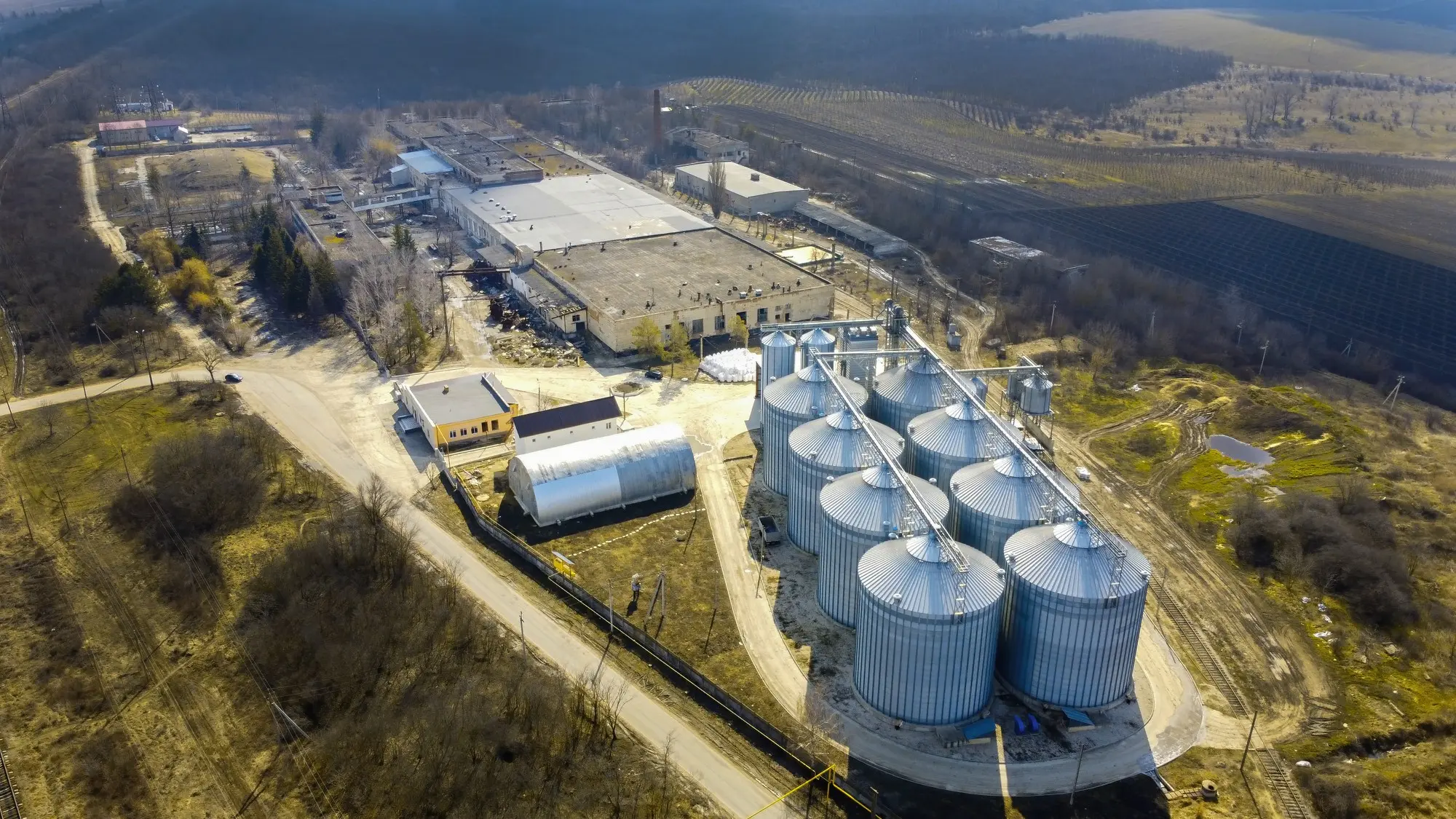
Industries are affected by water quality in many ways, including production efficiency, equipment life, product quality, and regulatory compliance. From a pharmaceutical plant that needs purified process water to a textile plant with high water consumption, it is a business decision that is crucial to choose the right water treatment partner.
When looking for a water treatment plant manufacturer in Ahmedabad, it is important to know about the technology, design process and services offered by an industrial water treatment system. A good plant will provide not only a consistent water quality, but will also lower operating expenses, downtime, and industry compliance with environmental regulations.
The city has become an industrial centre of Gujarat and is home to industries like pharmaceuticals, chemicals, textiles, engineering, food processing, dairy and packaging. The need for effective water treatment and wastewater management solutions is also growing as industrial operations continue to grow.
Quick Answer
A trusted water treatment plant manufacturer in Ahmedabad offers customized solutions for industrial water treatment, wastewater treatment, water recycling and process water management. The right manufacturer provides engineering support, quality equipment, system design, installation assistance and after-sales service, guaranteeing the long-term performance and compliance with regulations.
What is Industrial Water Treatment Plant?
An industrial water treatment plant is a water treatment plant that is used to treat water for a particular industrial use. These systems can decontaminate suspended solids, dissolved salts, hardness, microorganisms, oils, chemicals and other contaminants that can impact industrial processes.
Main Objectives
- Generate process water of desired quality
- Prevent equipment from scaling and corrosion.
- Improve production efficiency
- Reduce maintenance costs
- Meet environmental regulations
- Facilitate water reuse and recycling
Why Industries Use Water Treatment Systems
Each industry has its own water quality requirements.
For example:
Industry: Water Treatment Requirement
Pharmaceutical: High-purity process water
Textile: Washing and dyeing water
Food & Beverage: Hygienic production water
Dairy: Cleaning and process water
Chemical: Water from the process and cooling systems
Power Plant: Boiler feed water
Engineering: Equipment cooling water
Why Industries Need Water Treatment Plants
Industrial water may be polluted with impurities that can cause operational problems.
Common problems include:
- Scale formation due to hardness.
- Excessive TDS that can impact product quality
- Biological contamination
- Corrosion of pipelines
- Fouling of heat exchangers
- Increased maintenance expenses
If not treated properly, industries can suffer from:
- Frequent equipment breakdowns
- Reduced production efficiency
- Higher energy consumption
- Product quality issues
- Regulatory penalties
These risks can be reduced and sustainable operations can be maintained through a well-designed treatment plant.
How It Works
Working Principle
Industrial water treatment consists of a sequence of treatment steps depending on the quality of the water taken and the processing needs.
Typical Treatment Process
- Raw Water Collection
- Pre-Treatment
- Filtration
- Chemical Conditioning
- Membrane Treatment
- Storage and Distribution
Major Components
Raw Water Tank: Holds water until it can be treated.
Multimedia Filter: Removes suspended solids and turbidity.
Activated Carbon Filter: Reduces odors, chlorine and organic contaminants.
Water Softener: Removes calcium and magnesium hardness.
Industrial RO Plant: In an industrial RO plant, dissolved salts are removed by the use of semi-permeable membranes and the TDS is significantly reduced.
UV or Disinfection Unit is installed to treat the water: Controls microbial contamination.
Control Panel: Operates and controls plant.
Types & Applications
Common Types of Water Treatment Plants :
Industrial RO Plant: Utilized in areas where low TDS water is needed.
Water Softening Plant: Softens the hardness of groundwater.
Demineralization Plant: Generates high purity water for critical uses.
Effluent Treatment Plant (ETP): Treats industrial waste water prior to discharge.
Sewage Treatment Plant (STP): Treats effluents from domestic wastewater from industrial plants.
Zero Liquid Discharge (ZLD) System: Recovers water and reduces water discharge.
Wastewater Treatment Systems: Industrial wastewater treatment technologies are used to recycle water and minimize environmental impacts.
Applications Across Industries
Pharmaceutical Industry
- Process water
- Cleaning applications
- Regulatory compliance
Textile Industry
- Dyeing operations
- Water reuse
- Effluent management
Food & Beverage Industry
- Product safety
- Process water quality
Chemical Industry
- Process consistency
- Corrosion prevention
Dairy Industry
- Equipment cleaning
- Product quality assurance
Power Plants
- Boiler feed water
- Cooling tower applications
Advantages & Limitations
Advantages
Improved Product Quality: Stable water quality translates to better manufacturing results.
Reduced Maintenance: Less scaling and fouling means less equipment wear.
Regulatory Compliance: Meets environmental and pollution control needs.
Water Conservation: Enables recycling and reuse initiatives.
Lower Operating Costs: Effective systems lower energy and maintenance costs.
Limitations
Initial Capital Investment: The initial investment for industrial treatment systems is required.
Regular Maintenance Required: Filters, membranes and consumables must be replaced on a regular basis.
Skilled Operation: Trained personnel may be needed for complex systems.
Site-Specific Design Needs: A standard solution might not be suitable for all industries.
How to Choose the Right Water Treatment Plant Manufacturer in Ahmedabad
There are more than just quotations to consider when choosing a manufacturer.
Evaluate Engineering Expertise
Check for manufacturers that can perform:
- Water analysis
- Process design
- System customization
- Performance optimization
- Check Industry Experience
An experienced manufacturer in many industries can offer more solutions to unique challenges.
Review Customization Capabilities
Each industry is unique.
Avoid one-size-fits-all designs.
Assess Quality Standards.
Consider:
- Manufacturing quality
- Component reliability
- Documentation standards
- Testing procedures
Verify After-Sales Support
After-sales service is often more important than the initial installation.
Check:
- AMC support
- Spare availability
- Technical assistance
- Emergency service response
Buyer Checklist
Prior to signing a supplier:
✓ Water quality analysis was done
✓ Treatment objectives defined
✓ Capacity requirement confirmed
✓ Utility requirements assessed
✓ Future expansion considered
✓ Service support evaluated
✓ Operating cost estimated
✓ Compliance requirements reviewed
Installation, Operation & Maintenance
Installation Tips
- Conduct proper site assessment
- Make sure there is enough room for allocation
- Plan drainage arrangements
- Verify electrical requirements
- Allow access for maintenance
Common Operational Mistakes
- Ignoring water testing
- Delaying membrane cleaning
- Incorrect chemical dosing
- Skipping preventive maintenance
- Running outside of design limits
Best Maintenance Practices
- Monitor pressure drops
- Regularly inspect flow rates
- Ensure chemical dosing systems are kept in good working order
- Change consumables as per schedule
- Maintain operating records
Cost Factors
The price of an industrial water treatment plant can differ greatly according to the project's needs.
Major factors include:
Factor: Impact on Cost
Plant Capacity: The higher the capacity, the more expensive it is
Water Quality: The poorer the water, the more treatment is needed
Automation Level: With advanced automation, the investment goes up
Material of Construction: SS systems are more expensive than MS systems
Regulatory Requirements: Other compliance equipment may be required
Recovery Requirements: The more complex the higher the recovery system
Not all the cheapest system is the most economical one. The operating costs of the long term should also be considered.
Comparison
The standard plant and the customized plant are the two types of plants that are available.
Standard Water Treatment Plant
A standard water treatment plant is designed for industries with common water treatment requirements. It is a cost-effective solution for businesses that need a reliable system without extensive customization.
- Initial Cost: Lower investment
- Process Optimization: Limited customization
- Water Recovery: Average recovery efficiency
- Scalability: Limited expansion options
- Energy Efficiency: Moderate power consumption
- Industry Suitability: Suitable for general industrial applications
- Long-Term Value: Moderate return on investment
Customized Water Treatment Plant
A customized water treatment plant is engineered according to your water quality, production process, industry standards, and future capacity requirements. Although the initial investment is higher, it delivers better operational performance and long-term savings.
- Initial Cost: Higher initial investment
- Process Optimization: Fully optimized for your specific process
- Water Recovery: Higher recovery with reduced water wastage
- Scalability: Flexible design for future expansion
- Energy Efficiency: Higher efficiency with lower operating costs
- Industry Suitability: Designed specifically for your industry
- Long-Term Value: Better ROI and long-term operational savings
Real Industrial Example
Let's take a textile factory that uses groundwater of high hardness and high TDS.
The facility experienced:
- Frequent boiler scaling
- Increased chemical consumption
- Production interruptions
Following the installation of a well-designed treatment system consisting of softening and reverse osmosis technology, the plant has obtained more stable water quality, reduced maintenance needs and improved operational reliability.
The example illustrates the importance of analysing water and customising the system before choosing the treatment equipment.
Expert Recommendations
Using real industrial experience:
- Always start with detailed water testing.
- Plan for future expansion of production.
- Look at the total cost of the item, not just the price.
- Automate wherever possible.
- Use tried and tested parts from trusted suppliers.
- Adopt preventive maintenance programs.
- Train operators properly.
- Consider wastewater recycling opportunities from the initial design stage.
FAQs
1. What is the best water treatment plant manufacturer in Ahmedabad?
Consider technical knowledge, industry experience, customization options, service support, component quality, and project execution experience when deciding.
2. What are the industries that need an industrial water treatment plant?
Treatment systems are used in a wide variety of industries, including pharmaceutical, textile, food processing, dairy, chemical, engineering, power generation, paper, packaging, and automobile.
3. What is the purpose of an industrial RO plant?
An industrial RO plant is used to remove dissolved salts, lower TDS and generate high quality water for industrial applications.
4. What is the frequency of water treatment plant maintenance?
Filters, membranes, and consumables should be serviced as per operating conditions and manufacturer's recommendations and routine inspections should be performed regularly.
5. What are some factors that influence plant cost?
Project cost is greatly influenced by capacity, raw water quality, automation level, material selection, recovery requirements and regulatory compliance requirements.
6. Is it possible to reuse treated wastewater?
Yes. Wastewater treatment systems can be designed to allow for water recycling in cooling, washing, gardening, and other industrial applications.
7. How long does an industrial water treatment plant last?
Many industrial treatment systems can be efficient for 15-20 years or longer with proper maintenance, but some parts of the system need to be replaced periodically.
8. Why is water analysis important prior to system selection?
Water analysis determines the contaminants and treatment needs to make sure the water system is designed correctly and will not underperform or be overbuilt.
Conclusion
Choosing the right water treatment plant manufacturer in Ahmedabad can have a significant impact on several aspects of the production process, such as efficiency, equipment reliability, cost, and environmental compliance. The design of a treatment solution should be based on a comprehensive water analysis, industry-specific needs, future growth plans, and long-term treatment objectives.
From the industrial RO plant to the process water treatment system to the advanced wastewater treatment solution, partnering with an experienced manufacturer ensures optimal performance and long-term sustainability. OMYASH can offer expert advice, engineering assistance, and customized water treatment systems that align with specific industrial needs for industries looking for specialized solutions in Ahmedabad and throughout Gujarat.
Contact OM Yash