
What Is Hydrostatic Testing in Pipelines? Process, Standards and Benefits
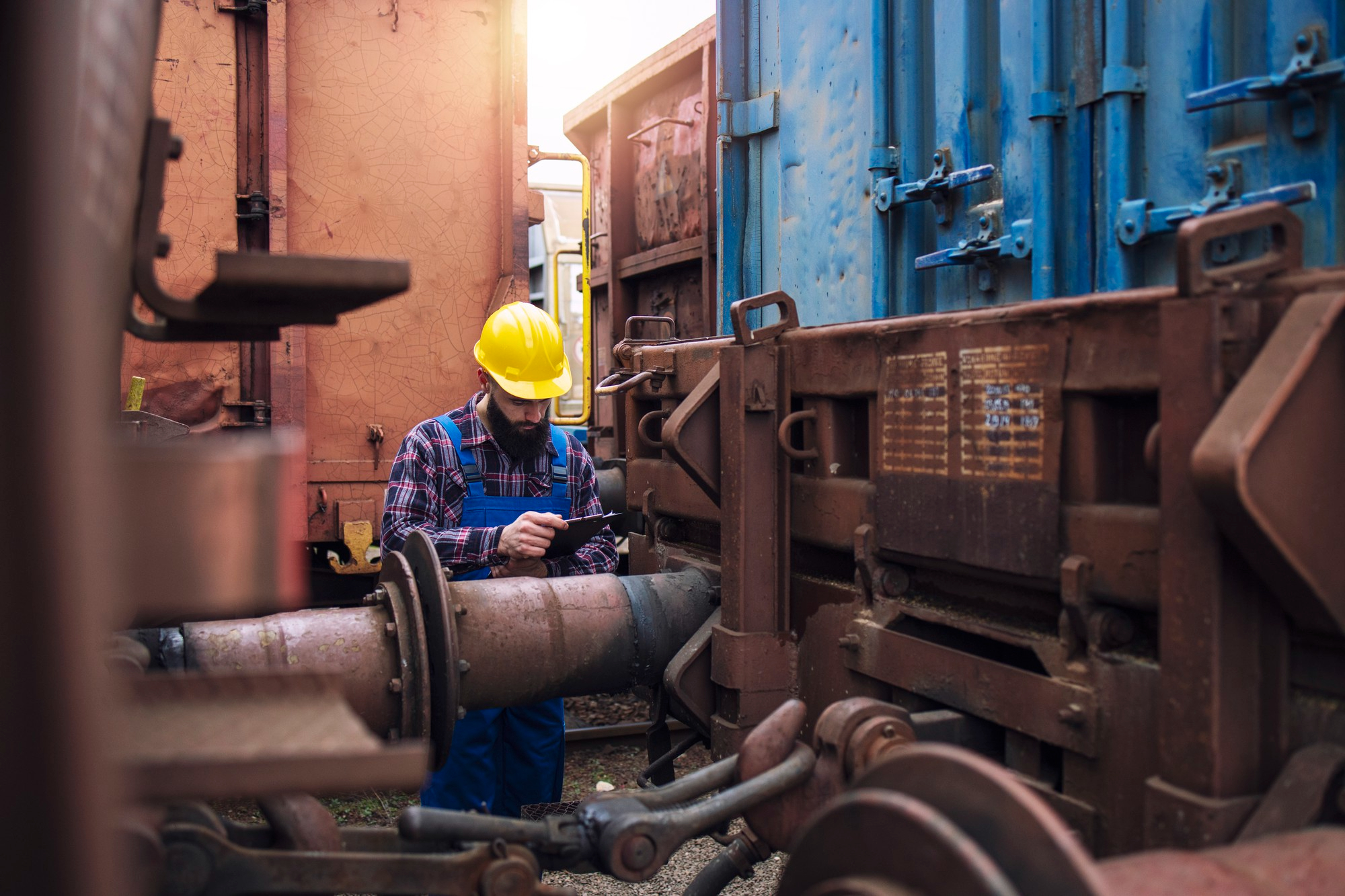
Hydrostatic testing is one of the most critical quality assurance procedures performed before a pipeline is commissioned. It helps engineers verify the structural integrity, pressure resistance, and leak-tightness of a pipeline system before it becomes operational.
Whether used in water transmission networks, lift irrigation projects, industrial infrastructure, or hydrocarbon pipelines, hydrostatic testing plays an essential role in ensuring safe and reliable performance.
As part of its water infrastructure and EPC solutions, OmYash Projects follows stringent testing and quality control procedures to ensure long-term project reliability.
What Is Hydrostatic Testing?
Hydrostatic testing is a pressure testing method in which a pipeline is filled with water and pressurized above its normal operating pressure for a specified duration.
The objective is to identify:
- Leaks
- Defective joints
- Weak sections
- Welding defects
- Structural failures
Hydrostatic testing ensures that the pipeline can safely withstand operating conditions and comply with engineering standards.
Several pipeline infrastructure projects executed by OmYash Projects involve hydrostatic testing before final commissioning and handover.
Why Is Hydrostatic Testing Important?
Pipeline failures can result in:
- Operational disruptions
- Costly repairs
- Water losses
- Environmental damage
- Safety hazards
Hydrostatic testing helps:
- Verify structural integrity
- Ensure leak-free operation
- Validate pressure resistance
- Improve reliability
- Reduce long-term maintenance costs
For large infrastructure projects, pressure testing is considered an essential part of quality assurance.
How Does Hydrostatic Testing Work?
The testing process typically involves the following stages.
1. Visual Inspection
Before testing begins, engineers inspect:
- Pipe alignment
- Weld quality
- Valves and fittings
- Supports and anchors
This helps identify visible defects that may affect the testing process.
2. Cleaning and Flushing
The pipeline is thoroughly cleaned to remove:
- Dust
- Welding slag
- Debris
- Foreign materials
Clean pipelines provide more accurate test results.
3. Filling the Pipeline with Water
The pipeline is gradually filled with water while ensuring air pockets are removed.
Air entrapment can lead to inaccurate pressure readings and compromise the test.
4. Pressurization
Pressure is increased to a predetermined level, usually higher than the operating pressure.
The pipeline remains under pressure for a specified period while engineers monitor pressure stability.
5. Monitoring and Inspection
During the test, engineers observe:
- Pressure drops
- Leakage points
- Joint performance
- Structural behavior
Any abnormalities are investigated and corrected before retesting.
Hydrostatic Testing Standards
Different industries follow specific standards for hydrostatic testing.
Common standards include:
AWWA Standards
Widely used for water transmission pipelines and municipal infrastructure projects.
ASME Standards
Commonly applied in industrial and hydrocarbon pipeline systems.
API Standards
Used for oil and gas pipeline projects.
IS Codes
Indian Standards provide guidelines for testing water supply and infrastructure pipelines.
Experienced EPC infrastructure specialists ensure that testing procedures comply with applicable standards and project requirements.
Benefits of Hydrostatic Testing
Improved Safety
Hydrostatic testing helps identify defects before the pipeline enters service.
Enhanced Reliability
Pressure testing confirms that the system can operate safely under design conditions.
Reduced Maintenance Costs
Early detection of issues minimizes future repairs and operational disruptions.
Regulatory Compliance
Testing ensures compliance with engineering specifications and industry standards.
Increased Pipeline Lifespan
Proper testing contributes to long-term system durability and performance.
Challenges During Hydrostatic Testing
Air Entrapment
Trapped air can affect pressure readings and compromise test accuracy.
Leakage
Leaks may occur due to:
- Faulty joints
- Damaged components
- Improper welding
Pressure Loss
Unexpected pressure drops often indicate defects that require corrective action.
Environmental Considerations
Proper water disposal and environmental protection measures are essential during testing activities.
Hydrostatic Testing in Water Infrastructure Projects
Hydrostatic testing is widely used in:
- Cross-country pipelines
- Lift irrigation systems
- Drinking water supply projects
- Industrial water transmission networks
- Pumping mains
Many water transmission and infrastructure projects completed by OmYash Projects undergo rigorous pressure testing to ensure operational reliability and compliance with engineering standards.
Why EPC Expertise Matters
Pipeline testing requires coordination between:
- Engineers
- Construction teams
- Quality control specialists
- Commissioning experts
As an experienced EPC infrastructure company, OmYash Projects integrates engineering, procurement, construction, and testing processes to deliver reliable and sustainable infrastructure solutions.
Explore the complete range of services offered by OmYash Projects for water infrastructure, lift irrigation, and industrial projects.
Conclusion
Hydrostatic testing is one of the most important procedures performed before pipeline commissioning. It verifies structural integrity, ensures leak-free performance, and improves the overall reliability of infrastructure systems.
By following industry standards and implementing comprehensive quality assurance measures, project owners can significantly reduce risks and enhance long-term performance.
For expert guidance on water transmission systems and infrastructure development, contact OmYash Projects to discuss your project requirements.
FAQs
What is hydrostatic testing in pipelines?
Hydrostatic testing is a pressure testing method in which a pipeline is filled with water and pressurized above operating pressure to detect leaks and verify structural integrity.
Why is hydrostatic testing performed?
Hydrostatic testing ensures the pipeline can safely withstand operating conditions and helps identify defects before commissioning.
Which standards are used for hydrostatic testing?
Common standards include AWWA, ASME, API, and relevant Indian Standards (IS Codes).
What are the benefits of hydrostatic testing?
Hydrostatic testing improves safety, reliability, regulatory compliance, and long-term pipeline performance.
Can hydrostatic testing detect leaks?
Yes. One of the primary objectives of hydrostatic testing is to identify leaks and weak points before the pipeline enters service.